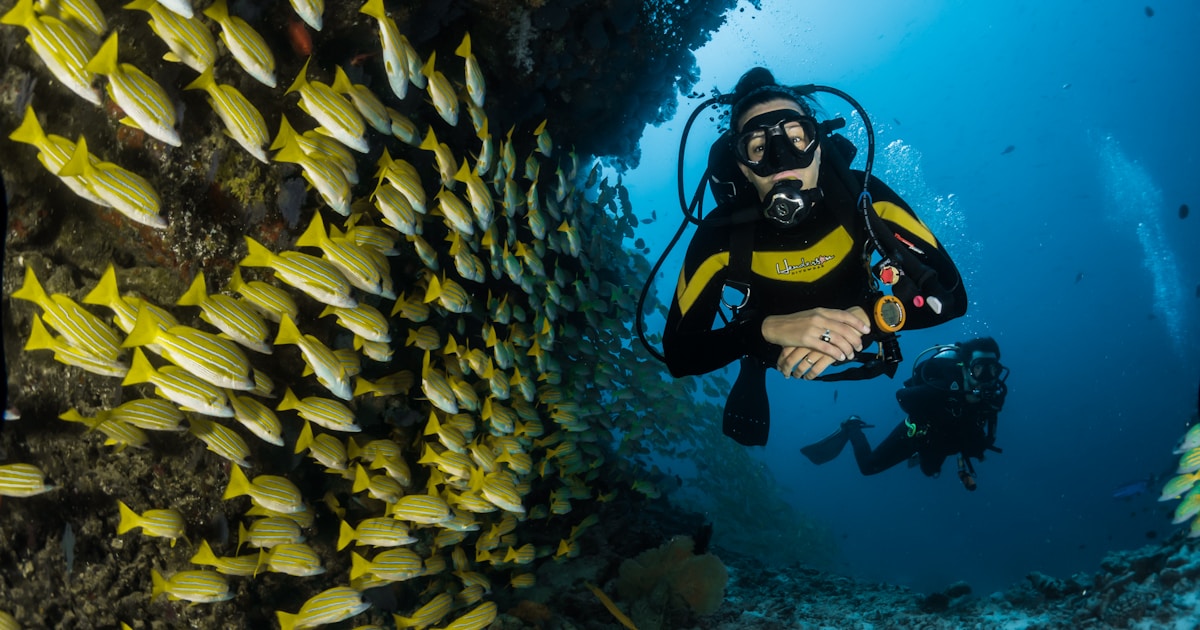
Best Diving and Snorkeling Spots in the Gili Islands 2026
The first time I stuck my head underwater off the coast of Gili Meno, a sea turtle the size of a coffee table swam right past me. Close enough to touch, not that you should. That was about three minutes into my first snorkel session, and I remember thinking: okay, this place is different.
The Gili Islands sit in a sweet spot for underwater exploration. The water is warm year-round, visibility regularly hits 20 to 30 metres, and the marine life is absurdly abundant for such a small area. Whether you are a certified diver chasing drift dives and reef walls, or someone who just wants to float around with a mask and see some turtles, these islands deliver in a way that very few places in Southeast Asia can match.
Here is a full breakdown of the best spots, what to expect, and how to make the most of it.
Why the Gili Islands Are So Good for Diving and Snorkeling
Three things set the Gili Islands apart from other dive destinations in Indonesia.
First, the turtles. Green sea turtles and hawksbill turtles are everywhere here. Gili Meno in particular is known as the turtle capital of Indonesia, and encounters are so common that it would be unusual to go snorkeling and not see at least one. They graze on seagrass in the shallows, rest on coral outcrops, and generally go about their business completely unbothered by humans.
Second, the accessibility. You do not need a boat ride to reach good snorkeling. On all three islands, you can walk into the water from the beach and be swimming over healthy coral within minutes. For diving, the best sites are a short 5 to 15 minute boat ride from shore.
Third, the conditions. Water temperatures hover between 26 and 30 degrees Celsius throughout the year. Currents are generally mild (though some dive sites have stronger drift, which is part of the fun). And the lack of motorized boats around the islands means the water stays remarkably clear.
Best Dive Sites Across the Gili Islands
Shark Point (Gili Trawangan)
Probably the most famous dive site in the Gili archipelago. Shark Point sits off the southern tip of Gili Trawangan and is known for, you guessed it, reef sharks. White-tip and black-tip reef sharks are regularly spotted here, along with large schools of trevally, bumphead parrotfish, and the occasional eagle ray. The site is suitable for intermediate to advanced divers due to occasional currents, and it is best during the dry season when visibility peaks.
Turtle Heaven (Gili Meno)
The name is not an exaggeration. This site off Gili Meno's east coast is one of the most reliable spots in Indonesia for turtle encounters during a dive. The sandy bottom and coral garden create a feeding ground that attracts green sea turtles in large numbers. It is a relatively easy dive, making it perfect for beginners who want a memorable first experience. Depths range from about 8 to 18 metres.
Nest (Gili Meno)
This is unlike anything else you will find in the Gili Islands. Nest is an underwater sculpture installation off the coast of Gili Meno, created as part of BASK's commitment to marine conservation and reef regeneration. The sculptures sit on the seabed and are slowly being colonized by coral, creating an evolving art gallery beneath the surface. It is hauntingly beautiful and genuinely moving to see. Suitable for both divers and confident snorkelers, depending on conditions.
Manta Point (Between Gili Trawangan and Lombok)
A deeper dive site that occasionally rewards patient divers with manta ray sightings, especially during the wetter months from November to April. The site features a cleaning station where mantas come to be groomed by smaller fish. This is not a guaranteed encounter, but when it happens, it is the kind of thing you remember forever. Best for advanced divers comfortable with depths of 20 metres or more.
Halik Reef (Gili Trawangan)
A stunning wall dive on the north side of Gili Trawangan with an impressive variety of hard and soft corals. The wall drops from about 5 metres to over 25 metres, and the biodiversity along it is outstanding. Look for nudibranchs, pygmy seahorses, frogfish, and schools of fusiliers. This is a favourite among underwater photographers for good reason.
Hans Reef (Gili Air)
A gentle slope dive off Gili Air that is popular with macro enthusiasts. The site is loaded with small critters: ornate ghost pipefish, blue-ringed octopus, mantis shrimp, and a huge variety of nudibranchs. The depth tops out at around 20 metres and currents are usually mild, making it a great site for newer divers who want to practice their buoyancy while spotting incredible marine life.
Bounty Wreck (Gili Meno)
A small wooden boat wreck sitting at about 15 metres depth off Gili Meno's southwest coast. The wreck has become an artificial reef, now covered in coral and home to schools of sweetlips, batfish, and lionfish. It is a compact dive, but the combination of the wreck structure and marine life makes it well worth a visit. Easy access and moderate depth make it suitable for all certification levels.
Best Snorkeling Spots
You do not need to be a diver to see amazing things underwater here. Some of the best marine life encounters in the Gili Islands happen in waist-deep to chest-deep water.
Gili Meno East Coast
Walk into the water from almost anywhere along Gili Meno's eastern shoreline and you will find seagrass beds where turtles come to feed. The water here is often calm and shallow, making it ideal for beginners and families. Early morning is the best time, as turtles tend to be more active and the water is glassier before the wind picks up.
Gili Meno West Coast (near BASK)
The western shore of Gili Meno, particularly the stretch near BASK, offers excellent reef snorkeling with hard coral formations and plenty of tropical fish. The west side also faces the open ocean, so visibility tends to be better here. After a morning snorkel, you can dry off and grab lunch at the BASK Beach Club, which sits right on the sand with a 35-metre infinity pool overlooking the water.
Gili Trawangan North
The northern end of Gili Trawangan, away from the busy main strip, has some of the best accessible reef on the island. The coral here is healthy and the fish life is abundant. Turtle sightings are common, and the area is much quieter than the southern end of the island. Bring your own gear or rent from one of the dive shops on Trawangan.
Gili Air South
The southern coast of Gili Air has a long stretch of reef that runs parallel to the shore. It is a bit of a swim to reach the best sections, but once you are out there, the variety of coral and fish is impressive. Watch for currents here, especially during tide changes.
| Spot | Island | Best For | Difficulty | Turtle Likelihood |
|---|---|---|---|---|
| East Coast | Gili Meno | Turtle encounters | Easy | Very high |
| West Coast (near BASK) | Gili Meno | Reef and fish | Easy | Moderate |
| Nest sculptures | Gili Meno | Unique experience | Moderate | Moderate |
| North coast | Gili Trawangan | Reef diversity | Easy | High |
| South coast | Gili Air | Coral gardens | Moderate | Moderate |
Getting Certified on the Gili Islands
If you have never dived before, the Gili Islands are one of the best places in the world to learn. The warm water, good visibility, and calm conditions make the learning process much more enjoyable than, say, trying to get certified in cold, murky water back home.
Most dive shops across all three islands offer PADI and SSI certifications. An Open Water course typically takes 3 to 4 days and costs between $350 and $450 USD. This gets you certified to dive to 18 metres anywhere in the world. Many shops also offer Discover Scuba (a one-day taster experience) for around $80 to $100 if you want to try it without committing to the full course.
A few things to look for when choosing a dive shop:
- Small group sizes. The best experience is 4 students per instructor or fewer.
- Well-maintained equipment. Ask when regulators were last serviced.
- Good reviews. Check recent reviews, not just overall ratings.
- Environmental awareness. The best shops emphasise reef-safe practices and buoyancy skills.
Browse dive shops on Gili Trawangan, Gili Meno, and Gili Air to compare options.
Responsible Diving and Snorkeling
The reefs around the Gili Islands have faced challenges over the years, from blast fishing in the past to bleaching events linked to rising ocean temperatures. Conservation efforts have made a real difference, and the reefs are in much better shape today than they were a decade ago. But they still need our help.
A few things you can do:
- Do not touch anything. Not the coral, not the turtles, not the fish. Look, enjoy, but keep your hands to yourself.
- Use reef-safe sunscreen. Chemical sunscreens containing oxybenzone and octinoxate are harmful to coral. Choose mineral-based alternatives.
- Watch your fins. Accidental fin kicks are one of the biggest causes of coral damage. Stay aware of your body position, especially in shallow water.
- Do not feed the fish. It disrupts natural feeding behaviours and can make fish aggressive.
- Support conservation. Several organisations around the Gili Islands run reef restoration and turtle conservation programmes. Consider joining a beach clean or making a donation.
Learn more about responsible tourism and wildlife encounters in our travel guides.
Practical Tips
Best time to dive and snorkel: April to November offers the best visibility and calmest seas. July to September is peak season with the best conditions. December to March can be wetter with reduced visibility, but manta ray sightings increase during this period.
What to bring: A rashguard for sun protection, reef-safe sunscreen, and a waterproof camera if you have one. Most snorkel gear can be rented for about $5 per day, but bringing your own mask ensures a better fit.
Water temperature: 26 to 30 degrees Celsius year-round. A 3mm shorty wetsuit is plenty for most people, and many divers go without.
Safety: There is a hyperbaric chamber on Gili Trawangan for diving emergencies. Make sure you have travel insurance that covers diving activities. Check our health and safety guide for more details.
Getting there: Fast boats run daily from Bali and Lombok. See our getting there page for routes and schedules.
After the Dive
Half the fun of a dive day is the post-dive ritual. Swap stories over a cold drink, scroll through your underwater photos, and argue about whether that was a hawksbill or a green turtle.
On Gili Meno, Pomona is a great spot for a post-dive meal. Their Latin-inspired menu is entirely gluten free, and dishes like the ceviche mixto and baja fish tacos feel particularly fitting after a morning in the water. The beachfront setting and relaxed vibe make it easy to settle in for the afternoon.
On Gili Trawangan, the main strip has dozens of restaurants and bars to choose from. On Gili Air, the cafes along the west coast are perfect for a quiet post-snorkel coffee.
Start Exploring Underwater
The Gili Islands punch well above their weight as a diving and snorkeling destination. The combination of easy access, warm water, abundant marine life, and that ever-present chance of swimming with a sea turtle makes this one of the best underwater experiences in Indonesia, if not all of Southeast Asia.
Browse the full list of dive shops and water sports operators across the islands, or explore everything the Gili Islands have to offer above and below the surface.
Tags