Best Time to Visit the Gili Islands 2026: Your Seasonal Guide
I get asked this question more than any other. "When should I go to the Gili Islands?" And honestly, the answer depends entirely on what kind of trip you want. I've been here during scorching July afternoons when every sun lounger on the beach is taken. I've also been here in November with rain drumming on the roof and barely another soul in sight. Both trips were incredible, just in completely different ways.
So let me walk you through what each season actually looks like on the ground, month by month, so you can pick the window that fits your travel style, your budget, and what you want to get out of these islands.
Understanding the Two Seasons
The Gili Islands sit just off the northwest coast of Lombok in Indonesia, and like most of the Indonesian archipelago, they follow a tropical climate with two main seasons.
Dry season runs roughly from May through October. This is when you get long sunny days, calm seas, and the kind of visibility underwater that makes divers weep with joy. Humidity drops to manageable levels and the evenings carry a light breeze that makes sitting on the beach feel like the best idea anyone has ever had.
Wet season stretches from November to April. "Wet" can be misleading though. It rarely rains all day. What you get are short, heavy downpours, often in the late afternoon, followed by dramatic skies and some of the best sunsets of the year. Temperatures stay warm, the islands turn lush and green, and you will have far fewer people competing for the good tables at dinner.
| Season | Months | Weather | Crowds | Prices |
|---|---|---|---|---|
| Peak Dry | July - August | Hot, sunny, calm seas | Very busy | Highest |
| Shoulder Dry | May - June, September - October | Warm, mostly sunny | Moderate | Mid-range |
| Early Wet | November - December | Occasional rain, warm | Quiet | Lower |
| Deep Wet | January - April | More frequent rain, humid | Very quiet | Lowest |
Month by Month Breakdown
January and February
These are the wettest months, and I won't sugarcoat it. You will get rained on. But here's what most travel blogs won't tell you: the mornings are often gorgeous. Clear skies, warm water, hardly anyone around. The rain typically rolls in after lunch and clears by evening. If you're someone who can handle a bit of unpredictability, January and February offer the lowest prices of the year and an almost private island experience.
Dive visibility drops a bit during these months, but it's still perfectly good for recreational diving. And the turtles? They do not care about the rain. You'll see them year-round.
Accommodation prices can drop 30 to 50 percent compared to peak season. If you've had your eye on a luxury villa on Gili Meno but thought it was out of reach, this is your window. BASK, the stunning beachfront resort on Meno's west coast, is especially worth considering during these quieter months. You get the same infinity pool, the same beautiful villas, the same world-class dining, but with a fraction of the guests. It feels like having your own private resort.
March and April
March is transitional. Some years the rain tapers off early, other years it hangs on. April is usually drier, and you start to feel the shift toward the good season. The seas calm down, the water clears up, and the islands begin to wake up after the quiet months.
This is a genuinely underrated time to visit. Prices are still low, the weather is improving week by week, and you get the benefit of everything being freshly green from the rains. The snorkelling is excellent because the water temperature is still warm from the wet season.
For food lovers, the quieter restaurants are at their best during these months. The chefs have more time, the produce is abundant, and you can often get a table at places that are fully booked during peak season. Pomona on Gili Meno is a personal favourite during this period. Their Latin-inspired, open-fire cooking hits differently when you're one of only a handful of tables on the beach. Try the ceviche mixto or the picanha steak with chimichurri. Everything on their food menu is gluten free, which is rare and genuinely impressive for a beachfront restaurant.
May and June
This is when I tell most people to book. May and June sit in that sweet spot where the weather has turned reliably good but the big summer crowds haven't arrived yet. You get sunny days, calm seas, great dive visibility, and prices that are still reasonable.
May is the start of the dry season proper, and the islands have a freshness to them after the rains. The coral reefs are vibrant, the vegetation is thick, and the water is that ridiculous shade of turquoise that makes people on Instagram think you've used a filter.
June picks up a little as European summer holidays begin, but it's nothing like July or August. You can still find good deals on accommodation, especially if you book a few weeks in advance. The dive shops on Gili Trawangan start running more boats, and the conditions for seeing manta rays improve significantly.
July and August
Peak season. This is when the Gili Islands are at their busiest, and for good reason. The weather is about as perfect as tropical weather gets. Clear skies, low humidity, flat calm seas, and water so clear you can see the bottom from the boat on the way over.
But "busy" on the Gili Islands is still pretty relaxed by global standards. There are no cars on any of the three islands. No motorbikes. The loudest thing you'll hear is a horse cart clip-clopping past or someone laughing at a beach bar. Even in the thick of peak season, Gili Meno remains the quiet one. If you want the social energy of Trawangan with the option to escape to an unspoilt natural paradise, the three islands are close enough that you can island-hop in minutes.
Prices are at their highest in July and August, and the best accommodation books out months in advance. If you're planning a peak season trip, start looking in March or April. The popular restaurants on Gili Trawangan fill up for dinner service, so making reservations a day or two ahead is a smart move.
September and October
My personal favourite months. September and October combine the best weather of the dry season with noticeably thinner crowds. The European summer holiday rush is over, school is back in session, and the islands settle into a calmer rhythm.
The diving and snorkelling during these months is world-class. Visibility regularly hits 25 to 30 metres, water temperatures hover around 28 degrees, and the marine life is active. This is prime time for turtle encounters around all three islands, but especially in the waters off Gili Meno, which is known as Indonesia's turtle capital.
September is also brilliant for those golden-hour moments. The sunsets are consistently spectacular, and the light in the late afternoon has this quality to it that photographers absolutely love. If you're chasing the best photo spots on the islands, September is your month.
Prices start to drop toward the end of October, and you'll find that the islands feel spacious again. It's the last stretch of guaranteed good weather before the wet season begins, and there's something about that energy that makes everything feel a little more special.
November and December
November is when the first rains arrive, and it marks the beginning of the wet season. Early November can still be beautiful, with only occasional showers and plenty of sunshine in between. By late November, the afternoon downpours become more regular.
December is interesting because it splits into two halves. Early December is quiet and affordable, a genuine hidden gem in the travel calendar. Then the Christmas and New Year period brings a spike in visitors, prices climb, and the islands buzz with holiday energy. If you can travel in the first two weeks of December, you'll get off-season prices with weather that's often perfectly manageable.
The full moon parties on Gili Trawangan run year-round regardless of weather, and the New Year celebrations are something else entirely. The whole island comes alive with beach parties, live music, and fireworks over the water.
Best Time for Specific Activities
Different activities have different ideal windows, so here's a quick breakdown depending on what you're most excited about.
Diving and Snorkelling
Best months: May to October
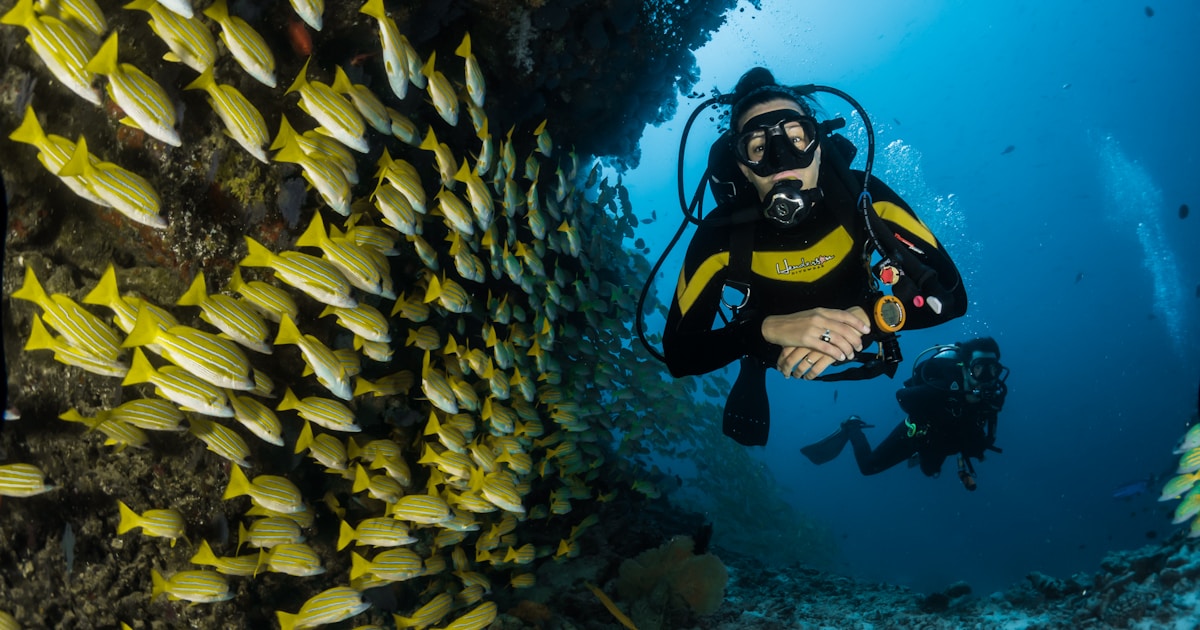
Visibility peaks during the dry season, and the seas are at their calmest. September and October tend to offer the best combination of clear water and marine life activity. The dive shops across the islands run full schedules during these months, and conditions are ideal for everything from beginner courses to advanced drift dives.
That said, diving is a year-round activity here. Even in the wet season, morning dives usually happen in good conditions before the afternoon weather rolls in.
Surfing and Water Sports
Best months: June to September
The swell picks up during these months, and while the Gilis aren't known as a major surf destination, there are rideable breaks nearby. Water sports operators offer kayaking, stand-up paddleboarding, and kite surfing, all of which benefit from the steady winds and calm mornings of the dry season.
Food and Dining
Best months: Year-round, but shoulder season has its perks
The Gili Islands have grown into a genuine food destination. The restaurants here serve everything from traditional Indonesian warung food to world-class fine dining, and the quality has gone up dramatically in recent years. Gili Meno in particular has become something of a foodie island. Between BASK's flagship restaurant with its open-fire kitchen and fresh daily fish, and Pomona's South American-inspired sharing plates and beachfront BBQs, you can eat remarkably well on what most people think of as the "quiet island."
During shoulder season (May to June, September to October), you get the best of both worlds. The full menus are running, the produce is top quality, and you can usually walk into the best spots without a booking.
Yoga and Wellness
Best months: April to October
The yoga and wellness scene on the Gilis runs year-round, but the dry season months make outdoor sessions and beachfront meditation far more predictable. Many retreats schedule their programmes around the dry season for this reason.
Romance and Honeymoons
Best months: May to June, September to October
If you're coming to the Gili Islands for a romantic getaway, the shoulder months are perfect. You get beautiful weather without the peak-season crowds, and the atmosphere on Gili Meno in particular is intimate and unhurried. Picture it: a private villa with a plunge pool, dinner on the beach with your feet in the sand, and a sunset that stops you mid-sentence. That is Gili Meno at its best, and that feeling of the Maldives meeting the Greek islands is not an exaggeration.
How Crowds Vary Across the Three Islands
One thing worth understanding is that the three Gili Islands handle crowds very differently.
Gili Trawangan absorbs visitors well because it has the most infrastructure. Even during peak season, you can find quieter corners on the north and east sides of the island. The main strip gets busy at night, but that's part of the appeal for a lot of travellers.
Gili Air sits somewhere in the middle. It has a strong community of long-term residents and repeat visitors, and the vibe stays mellow even when visitor numbers pick up. The cafes on Gili Air are some of the best in the archipelago, and they rarely feel crowded.
Gili Meno is the smallest and quietest of the three, and that's exactly why people love it. Even in the busiest weeks of July and August, Meno feels spacious and peaceful. There are no late-night bars blasting music, no rowdy pub crawls. It's the island for people who want to genuinely disconnect, whether that means floating in turquoise water all afternoon or spending a slow evening at a beachfront restaurant watching the sky turn pink.
Budget Planning by Season
Your travel budget can vary significantly depending on when you visit. Here's a rough guide to help you plan.
| Category | Peak (Jul-Aug) | Shoulder (May-Jun, Sep-Oct) | Off-Peak (Nov-Apr) |
|---|---|---|---|
| Budget hostel/guesthouse | IDR 400-600k/night | IDR 250-400k/night | IDR 150-300k/night |
| Mid-range hotel | IDR 1-2m/night | IDR 700k-1.5m/night | IDR 500k-1m/night |
| Luxury villa/resort | IDR 3-8m/night | IDR 2-5m/night | IDR 1.5-4m/night |
| Meal at local warung | IDR 30-50k | IDR 30-50k | IDR 30-50k |
| Restaurant dinner | IDR 150-400k | IDR 150-400k | IDR 150-400k |
| Fun dive (certified) | IDR 500-700k | IDR 450-650k | IDR 400-600k |
Food and activity prices stay fairly stable throughout the year, so your biggest savings come from accommodation. The budget travel guide has more detailed breakdowns if you're travelling on a tighter budget.
Getting There: Does the Season Matter?
Yes, absolutely. The boat crossings from Bali and Lombok are smoother during the dry season. From May to October, fast boats run on reliable schedules and cancellations are rare. During the wet season, particularly December through February, rough seas can delay or cancel crossings. It doesn't happen every day, but it's worth building some flexibility into your travel plans if you're visiting during those months.
The crossing from Lombok's Bangsal harbour is shorter and less affected by weather than the fast boat from Bali. If you're visiting during the wet season, consider flying into Lombok International Airport instead of Bali and taking the short boat from there.
So, When Should You Actually Go?
If you want guaranteed sunshine and the liveliest atmosphere, book July or August and plan well ahead.
If you want great weather with fewer crowds and better prices, aim for May to June or September to October. This is the sweet spot that seasoned travellers come back for.
If you want the lowest prices and don't mind some rain, November to April offers a completely different but equally rewarding experience. The islands are greener, the pace is slower, and you'll feel like you've found somewhere that hasn't been "discovered" yet.
And if you're flexible? September. Every single time. The weather is gorgeous, the water is crystal clear, the crowds have thinned out, and the islands feel like they're taking a deep breath after the busy season. Grab a table at a beachfront restaurant, order something grilled over open flame, watch the sun drop into the ocean, and you'll understand exactly why people keep coming back to these three little islands in the middle of the Indonesian sea.
Ready to start planning your trip? Browse our complete island guides and activity directory to build your perfect Gili Islands itinerary.
Tags