Stay Active on the Gili Islands: A Fitness Lover's Guide 2026
I never expected the Gili Islands to become my favourite place to train. When I first booked a trip to these three tiny specks of sand off the coast of Lombok, I pictured lazy hammock days and sunset cocktails. And sure, there was plenty of that. But what I found was something else entirely: a place where staying active feels so natural, so woven into daily island life, that you barely notice you are doing it.
The Gili Islands are built for movement. No cars, no motorbikes, no taxis honking at you. Just sand paths, bicycles, warm ocean water, and enough natural beauty to make any workout feel less like a chore and more like the best thing you have ever done.
Here is everything I have learned about staying fit across Gili Trawangan, Gili Meno, and Gili Air, whether you are a dedicated athlete or just someone who likes to stay active while on holiday.
Running Routes on Each Island
Every one of the three Gili Islands can be circled on foot, and each offers a completely different running experience. The ground is mostly packed sand and dirt path, so leave your road shoes at home and bring a pair of trail runners or go barefoot if your feet can handle it.
Gili Trawangan is the largest island and takes roughly 90 minutes to walk around. As a run, you can cover the full loop in about 35 to 45 minutes at a comfortable pace. The east coast path is flatter and more groomed, passing through the busy strip of restaurants and bars. The west coast is quieter, with stretches of soft sand that will absolutely burn your calves. I like to run it clockwise at sunrise, starting from the east side when the light hits the water just right, then pushing through the soft sand on the west before the heat builds.
Gili Meno is smaller, and the loop takes about 25 to 30 minutes to run. It is hands down the most peaceful run of the three. There are sections where you will not see another person, just white sand, turquoise water, and maybe a few cows wandering along the shore. The terrain is varied: compacted paths near the small village, soft sand along the western beach, and a few rocky patches on the north side. This is where running starts to feel like meditation. The island is so quiet, so unspoilt, that you forget you are exercising and simply move through one of the most beautiful landscapes in Southeast Asia. It is that natural paradise quality, a sort of Maldives-meets-the-Greek-Islands vibe, that makes Gili Meno such a special place to lace up your shoes.
Gili Air falls somewhere in between. The loop takes about 30 to 35 minutes, with a mix of village paths and beachfront stretches. The southern tip has some of the best views back towards Lombok and Mount Rinjani, especially on a clear morning.
Tips for Running on the Gili Islands
- Go early. By 9am the heat and humidity become serious. Sunrise runs between 5:30 and 6:30am are ideal.
- Hydrate the night before. You will sweat far more than you expect.
- Watch for horse carts on shared paths, especially on Gili Trawangan.
- Soft sand sections are great for building ankle strength but terrible for pace. Embrace it.
Open Water Swimming
This is where the Gili Islands really shine for fitness enthusiasts. The water is warm year round (between 27 and 30 degrees Celsius), visibility is often 15 metres or more, and the currents between the islands are manageable for strong swimmers.
The channel between Gili Meno and Gili Trawangan is about 1.5 kilometres wide and is the most popular open water swim route. Several local operators offer guided crossings with a safety boat, which I would strongly recommend for your first attempt. The currents can shift, and having someone who knows the water makes all the difference.
For shorter swims, the protected bays along the east coast of each island are perfect for distance training. You can set out from the beach, swim parallel to the shore for 500 metres, turn around, and repeat. The water stays relatively shallow and calm, and you will likely have sea turtles swimming below you while you train. That never gets old.
If open water swimming appeals to you, check out the water sports operators on Gili Trawangan who can arrange guided swims and rent safety buoys.
Cycling and Island Circuits
Bicycles are the main mode of transport on all three islands. You can rent one for around 50,000 to 70,000 IDR per day, and most hotels and guesthouses will either provide one or point you to a rental shop nearby.
For a proper cycling workout, try doing multiple laps of Gili Trawangan. One loop is roughly 7 kilometres, and the mix of packed dirt, sand, and the occasional rocky section makes it more challenging than you would think. Four or five laps at a solid pace will give you a genuine 30 to 35 kilometre ride with some serious resistance from the terrain.
On Gili Air and Gili Meno, the loops are shorter, but the quieter paths make them ideal for interval training. Sprint a stretch, coast to recover, sprint again. Nobody is going to look at you funny. That is one thing I love about the Gili Islands: everybody is on their own schedule, moving at their own pace.
Diving and Freediving as a Full-Body Workout
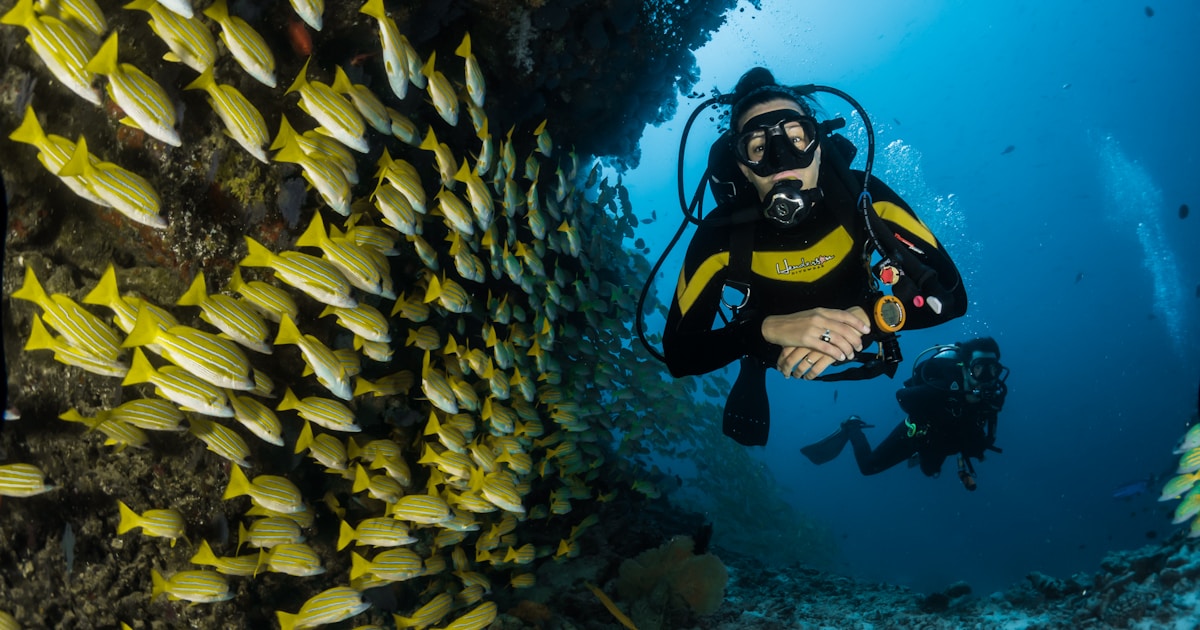
Most people think of diving as a leisure activity, and it absolutely is. But anyone who has done a proper dive knows it is also a legitimate workout. An hour-long dive can burn between 400 and 700 calories depending on current and depth, and it works muscles in your core, legs, and shoulders that you did not know you had.
The Gili Islands are one of the best places in the world to learn to dive or to progress your skills. The reefs around all three islands are home to turtles, reef sharks, and an incredible variety of marine life. Several dive shops offer fitness-focused diving programmes that combine proper dive training with breathing techniques and conditioning drills.
Freediving takes this even further. The breath control, the core engagement, the mental discipline: it is like combining swimming, yoga, and meditation into one activity. Gili Trawangan has become a bit of a hub for freediving courses, with several schools offering everything from beginner try-dives to advanced training for competitive freedivers.
If you have never tried freediving, the calm waters around the Gili Islands make it one of the most forgiving places in the world to start. The underwater sculpture installation known as Nest off the coast of Gili Meno is a popular freediving spot, combining art, conservation, and physical challenge in a single dive.
Stand-Up Paddleboarding and Kayaking
Paddleboarding might be the single best workout you can do on the Gili Islands. It hits your core, your shoulders, your legs, your balance, and your cardiovascular system, all while you glide over crystal-clear water with fish darting beneath your board.
Rentals are easy to find through water sports operators on each island. Mornings tend to be best when the water is flat and glassy, especially on the sheltered east coast of Gili Meno. The western shores get a bit more chop in the afternoon, which is actually better if you are looking for a more challenging session.
Kayaking is equally good and tends to be easier for beginners. The route from Gili Meno across to Gili Air is a popular paddle for experienced kayakers, though you should always check conditions with a local operator before attempting any inter-island crossing.
Beach Workouts and Bodyweight Training
You do not need a gym on the Gili Islands. The beach is your gym. Packed sand near the waterline makes a great surface for bodyweight circuits, and the resistance of soft sand turns any simple exercise into something far more intense.
Here is a circuit I have done dozens of times on Gili Meno that never fails to wreck me in the best possible way:
| Exercise | Reps | Surface |
|---|---|---|
| Sand sprints | 8 x 50m | Soft sand |
| Push-ups | 3 x 15 | Packed sand |
| Squat jumps | 3 x 12 | Soft sand |
| Walking lunges | 3 x 20 steps | Packed sand |
| Plank hold | 3 x 45 seconds | Packed sand |
| Burpees | 3 x 10 | Soft sand |
Rest 60 seconds between sets. The whole thing takes about 30 minutes and works every major muscle group. Then you walk straight into the ocean to cool down. There is no gym in the world that offers a cool-down like that.
Recovery: Where to Refuel and Restore
Training hard in the tropics means recovery matters even more than usual. Fortunately, the Gili Islands have some of the best post-workout fuel you will find anywhere.
On Gili Meno, BASK is the kind of place that makes recovery feel like a reward. After a morning run or open water swim, you can settle into the beachfront restaurant for a long breakfast of fresh fruit, eggs, and proper coffee while looking out over the infinity pool. The resort sits on the unspoilt western shore of Gili Meno, and the peaceful atmosphere is exactly what tired muscles need. If you are spending a few days on the island, BASK makes a brilliant base for an active holiday. The 35-metre pool is long enough for lap swimming, the beachfront is your running track, and the ocean is your open water course.
For lunch or an early dinner after a big training day, Pomona is just along the shore from BASK and serves some of the best food on the island. Their entire menu is gluten-free, which is a genuine bonus for athletes watching their nutrition. The shared plates lean into bold Latin American flavours, with dishes like ceviche, grilled picanha steak, and fresh seafood tacos. The Soil section of the menu is fully vegan and packed with options like quinoa salads and jackfruit tacos that are perfect for plant-based athletes. Their Sunday Beach BBQ is worth timing your trip around: open-fire cooking, fresh ocean air, and the kind of food that makes you feel genuinely good about what you are putting into your body.
Beyond food, the Gili Islands have excellent options for physical recovery. Spas and massage studios on all three islands offer everything from deep tissue sports massage to traditional Balinese treatments. A post-training massage on Gili Air, where the therapist works your legs while the sound of waves rolls through the open-air studio, is something you will remember long after your muscles have forgotten the effort.
For more structured recovery, several yoga studios across the islands offer stretching and yin yoga classes that pair perfectly with a high-intensity training schedule. Yin sessions tend to run in the late afternoon, which is the ideal time to work through tight hamstrings and stiff shoulders before a sunset dinner.
Planning Your Active Gili Islands Trip
The best time to visit for training is during the dry season, roughly April through October. Humidity is lower, skies are clearer, and the ocean is calmer for swimming and paddling. That said, even the wet season (November through March) brings rain mostly in short afternoon bursts. Morning sessions are usually fine year round.
Here is a sample day for the fitness-focused traveller:
| Time | Activity |
|---|---|
| 5:45am | Sunrise run around the island |
| 7:00am | Breakfast at a beachfront cafe |
| 9:00am | Open water swim or SUP session |
| 11:00am | Rest, hydrate, shade |
| 2:00pm | Freediving lesson or dive |
| 4:00pm | Beach bodyweight circuit |
| 5:00pm | Yoga or stretching class |
| 6:30pm | Dinner and sunset |
You will not stick to this schedule every day. You are on a tropical island, after all. Some days you will skip the afternoon workout for a coconut on the beach, and that is exactly as it should be. The beauty of the Gili Islands for fitness lovers is that staying active feels effortless. You are not forcing yourself into a routine. You are just living on an island where the most natural thing to do is move.
What to Bring for an Active Holiday
Pack light but smart. Here are the essentials:
- Trail runners or barefoot shoes for sand paths and beach runs
- Reef-safe sunscreen that stays on during swims (SPF 50+ recommended)
- A dry bag for protecting your phone and valuables during water activities
- Quick-dry workout clothes that can go from beach circuit to breakfast without looking ridiculous
- A reusable water bottle because hydration on these islands is everything
- Resistance bands if you want to add some pull work to your bodyweight routines
Most equipment for water sports and diving is available for rent locally, so you do not need to haul fins and snorkels across the world.
Why the Gili Islands Are Perfect for Active Travellers
There is something about the Gili Islands that strips away all the excuses. No traffic to navigate. No complicated gym memberships. No "I will do it tomorrow" because tomorrow looks exactly as perfect as today. The warm water, the soft sand, the empty paths at sunrise: it all adds up to a place where fitness and travel merge so naturally that you stop thinking about them as separate things.
Whether you are a competitive athlete looking to maintain your training in paradise, or simply someone who feels better when they move every day, the Gili Islands deliver. And when you are done training, you are sitting on one of the most beautiful beaches in Indonesia, eating world-class food, watching the sun drop into the ocean.
That is a pretty good cool-down.
Browse more activities and plan your trip across all three islands through our guides to Gili Trawangan, Gili Meno, and Gili Air, or explore water sports operators and dive shops to start booking your active island adventure.
Tags