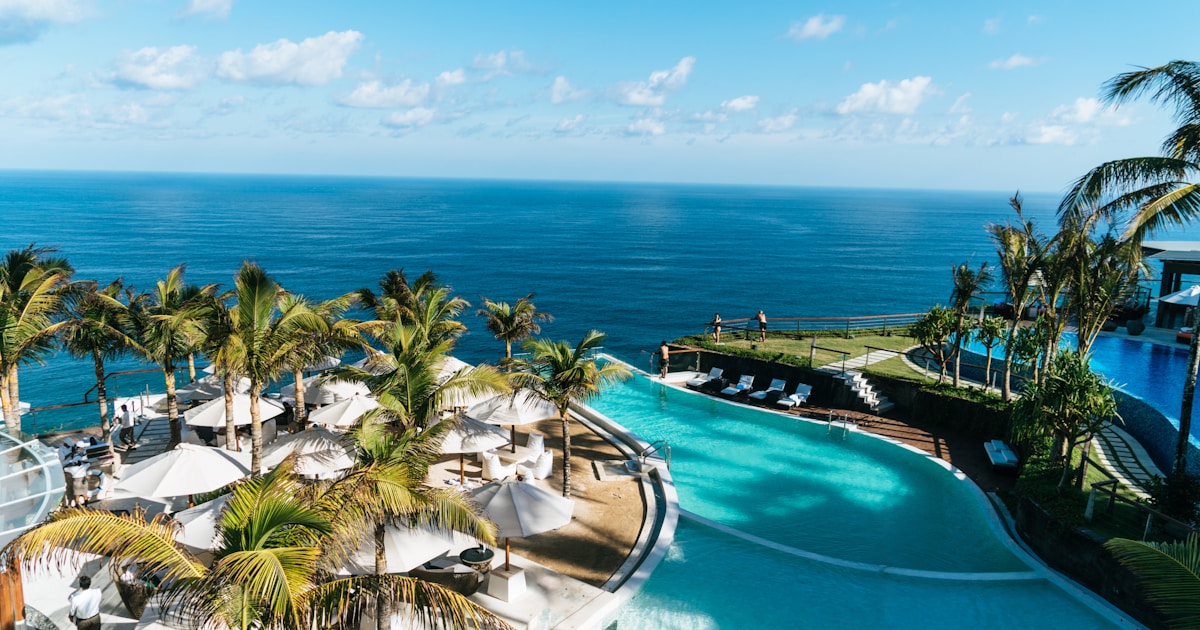
Gili Islands Low Season Luxury: A Smarter Way to Visit 2027
I almost didn't book my first low season trip to the Gili Islands. Everything I'd read online pointed me toward the dry months, that sweet spot between June and September when the skies are blue and the Instagram photos practically take themselves. But a last-minute schedule change pushed my dates into late November, and I nearly cancelled altogether. What I found instead completely changed how I think about island travel.
The resort that would have cost me nearly $400 a night in peak season? I got it for under $200. The beachfront restaurant where you normally queue for a table at sunset? The host walked me straight to the best seat in the house and asked if I wanted a complimentary welcome drink. The dive boat that's usually packed with twelve students? Just me and three other divers, drifting through some of the clearest water I've seen anywhere in Southeast Asia.
That trip taught me something the travel industry doesn't always want you to hear: the low season on the Gili Islands isn't a compromise. For the right kind of traveller, it's actually the upgrade.
What Counts as Low Season on the Gili Islands?
The Gili Islands follow the same wet-dry cycle as most of tropical Indonesia. The dry season stretches from roughly May through October, with July and August being the busiest and priciest months. The wet season runs from November through March, with the heaviest rainfall typically falling in January and February.
But here's what most guides leave out: "wet season" on the Gili Islands doesn't mean monsoon weather all day, every day. What it usually looks like is bright, sunny mornings that cloud over in the afternoon, followed by a heavy tropical downpour lasting anywhere from thirty minutes to a couple of hours. By evening, the skies often clear, the air cools down beautifully, and the sunsets turn even more dramatic than usual, all deep purples, burnt oranges, and those cloud formations that make you stop whatever you're doing and just stare.
The water temperature stays warm year-round, sitting between 27 and 30 degrees Celsius. And while visibility can drop slightly during heavy rain periods, the marine life doesn't go anywhere. Turtles, reef sharks, and the colourful coral gardens that make these islands famous are all still very much there, often with far fewer snorkellers and divers competing for the view.
The Real Luxury of Low Season: Space and Stillness
You can throw money at luxury anywhere in the world. What you can't always buy is the feeling of having a place to yourself. That's the hidden currency of visiting the Gili Islands between November and March.
Gili Meno, the smallest and quietest of the three islands, takes on an almost otherworldly calm during these months. The white sand beaches along the western coast feel genuinely private. You can walk the entire island in about ninety minutes and encounter maybe a dozen other people. The usual soundtrack of the tropics, birdsong, gentle waves, the rustle of palm fronds, plays without interruption.
For couples in particular, the low season transforms Gili Meno into something that feels closer to a private island than a public destination. It's the kind of experience that places like the Maldives charge five times the price for, and even then you're sharing it with more people. There's a reason people describe Gili Meno as where the Maldives meets the Greek islands, and that comparison feels truest when the crowds thin out and the island settles into its natural rhythm.
Where to Stay: Luxury Resorts at Off-Peak Rates
Gili Meno
Gili Meno is the low season luxury pick. With fewer visitors on the island, the premium resorts here offer some genuinely remarkable deals.
BASK is the standout. Set along Gili Meno's untouched western shoreline, this beachfront resort features private pool villas, a 35-metre infinity pool, and the kind of design-led architecture that makes you feel like you've walked into a magazine spread. During low season, their room categories from studios through to three-bedroom beachfront villas become significantly more accessible. The property runs at a gentler pace too, meaning the staff, who are already known for their warmth and attentiveness, have even more time to make your stay personal.
Their Beach Club is worth a full day on its own. Imagine spending an afternoon on a king-size daybed overlooking the ocean, ordering from a menu built around fresh fish, wood-fired pizza, and flame-cooked steaks, all while a DJ sets the mood without overwhelming the conversation. During peak season, the best spots fill up fast. In November or December? You'll have your pick.
Browse more options in the Gili Meno hotel directory and the Gili Meno spa directory to find retreats offering low season packages that include massage treatments and wellness add-ons.
Gili Trawangan
If you want a bit more buzz alongside your luxury, Gili Trawangan has the widest range of upscale accommodation on the islands. During low season, boutique hotels and design-forward properties along the quieter north and east coasts drop their rates considerably. You might find that the villa you've been eyeing for months is suddenly well within budget.
The Gili Trawangan hotel directory is a good starting point for comparing what's available across different price points and locations on the island.
Gili Air
Gili Air strikes a balance between Meno's solitude and Trawangan's energy. The island has a loyal following among repeat visitors who appreciate its bohemian vibe and quieter pace. Low season deals on beachfront bungalows and boutique stays here can be genuinely impressive, and the island's compact size means you're never far from the beach.
Check the Gili Air hotel directory for the latest listings.
Dining Without the Wait
One of the most underrated perks of visiting during low season is what happens at the restaurant level. During peak months, the best tables at the most popular spots are hard to come by. Walk-ins are turned away, and reservations need to be made days in advance. Between November and March, the whole dining scene relaxes.
On Gili Meno, Pomona is a perfect example. This Latin-inspired beachfront restaurant serves some of the most exciting food on any of the three islands, all built around open-fire cooking, bold South American flavours, and a gluten-free menu that puts most dedicated health restaurants to shame. The Ceviche Mixto and Peruvian Chicken a la Brasa are both worth travelling for. During peak season, the Friday Sessions and Sunday Beach BBQ events fill up quickly. Visit in December or January and you'll experience the same incredible food and atmosphere with room to breathe.
BASK's own dining venues shine during low season too. Their flagship restaurant runs an open kitchen concept with flame-cooked proteins, freshly baked bread, and coastal plates that shift between Western and Asian influences. For a truly special evening, Rosalee, the underground cocktail bar hidden beneath the resort, offers an intimate experience that feels like discovering a secret. Low lighting, crafted cocktails with flame-finished garnishes, and a glass-lined pool wall that catches fleeting silhouettes from the swimmers above. It's the kind of place that becomes the highlight of a trip.
Over on Gili Trawangan, the restaurant scene is more diverse, with everything from casual beachfront warungs to contemporary fine dining. Low season means shorter waits and, at some places, special tasting menus or seasonal promotions designed to draw in guests.
Gili Air's restaurant and cafe scene is more laid back but equally rewarding, with plant-based cafes and seafood grills that feel even more personal when it's just you and a handful of other diners.
Activities That Improve in Low Season
Diving and Snorkelling
This might surprise you, but many experienced divers actually prefer visiting the Gili Islands during the wetter months. The water stays warm, the marine life is abundant, and the dive sites are far less crowded. You're more likely to get small-group or even private guided dives, which means better briefings, more time underwater, and a more relaxed experience overall.
The famous turtle encounters that the Gili Islands are known for happen year-round. These gentle creatures are residents, not seasonal visitors. Snorkelling directly from the beach in front of your resort on Gili Meno is one of the simplest and most rewarding things you can do, and it doesn't cost a thing. During low season, you might find yourself floating alongside a sea turtle with nobody else around.
For guided dives and courses, check the Gili Trawangan dive shop directory or the Gili Air dive shops. Many offer reduced rates and more flexible scheduling during the quieter months.
Spa and Wellness
Low season is tailor-made for spa days. Wellness centres and massage studios across all three islands tend to offer extended treatment packages and promotional rates during November through March. Some of the premium resorts build wellness into their low season room packages, bundling daily spa credits or yoga sessions with accommodation.
BASK also runs curated wine tasting experiences during this period. Hosted in small groups by experienced sommeliers, these sessions explore international wines with insight into provenance and varietals. It's the kind of refined add-on that feels perfectly suited to a quieter, more contemplative version of island life. Check the Gili Meno spa directory for standalone wellness options.
Beach Club Days
Spending a full day at a premium beach club is one of the best ways to embrace low season luxury. Without the peak season crowds, you get genuine relaxation rather than the mild competition for a good spot that can creep in during July and August.
BASK's Beach Club operates daily and uses a minimum-spend model for its poolside seating, so your money goes straight to food and drinks. During quieter months, scoring a private cabana or a VIP lounge for a lazy afternoon becomes much easier. The whole experience feels more exclusive, not because anything has changed about the venue, but because the pace of the island allows you to truly sink into it.
The Weather Factor: What to Actually Expect
Let's be honest about the rain, because it's the reason most people skip these months entirely, and it shouldn't be.
Here's a typical low season day on the Gili Islands:
| Time of Day | What to Expect |
|---|---|
| 6:00 - 11:00 | Clear skies, warm sunshine, calm seas, perfect for snorkelling or beach time |
| 11:00 - 14:00 | Building clouds, still warm, great for pool time or a long lunch |
| 14:00 - 16:00 | Possible heavy rain shower lasting 30 minutes to 2 hours |
| 16:00 - 18:00 | Skies clearing, cooler breeze, stunning golden hour light |
| 18:00 onwards | Often completely clear, dramatic sunsets, comfortable evening temperatures |
The rain isn't the drizzly, grey kind you might be imagining if you're used to European or North American winters. It's warm, tropical rain that comes in hard and fast and then moves on. Many travellers actually enjoy it, there's something genuinely exhilarating about watching a tropical downpour from the shelter of a beachfront bar with a cocktail in hand.
The key is to build your days around the pattern. Front-load your outdoor activities for the morning, plan a long leisurely lunch or spa session for the early afternoon, and save the sunset hours for drinks, dinner, and those walks along the beach that feel even more special when the light is soft and the sand has been freshly washed by the rain.
How Much You'll Actually Save
Putting real numbers to it makes the case even more compelling. Here's a rough comparison of what you can expect during peak versus low season:
| Experience | Peak Season (Jul-Aug) | Low Season (Nov-Mar) | Savings |
|---|---|---|---|
| Beachfront villa per night | $350 - $600 | $150 - $350 | 30-50% |
| Beach club day bed (min spend) | Often fully booked | Available same-day | Easier access |
| Fast boat Bali to Gili | $45 - $65 return | $30 - $50 return | 15-25% |
| PADI Open Water course | $400 - $500 | $300 - $400 | 20-25% |
| Beachfront dinner for two | $60 - $100 | $50 - $80 | 10-20% |
The biggest savings come from accommodation, where premium properties slash rates to maintain occupancy. But the smaller savings on boats, dining, and activities add up over a week-long trip. A couple spending seven days on the Gili Islands in low season could easily save $1,000 or more compared to the same trip in August, while getting a quieter, more personal experience.
Practical Tips for a Low Season Luxury Trip
Book direct with resorts. Many properties offer better rates and added perks like room upgrades, spa credits, or complimentary breakfasts when you book through their website rather than third-party platforms. This is especially true during low season when they have the flexibility to be generous.
Pack a light rain jacket. Not a heavy waterproof, just something you can throw on during an afternoon shower. A compact umbrella works too. You won't need it every day, but when you do, you'll be glad you have it.
Bring reef-safe sunscreen. Even on overcast days, the tropical sun is strong. And the Gili Islands are serious about protecting their coral reefs, so choose sunscreen that won't harm the marine environment you came to enjoy.
Travel on weekdays. Fast boats from Bali run more frequently and with fewer passengers during the week. Weekend services, especially around Christmas and New Year, can still get busy even in low season.
Check conditions before diving. While diving is excellent throughout the low season, there can be occasional days with reduced visibility after heavy storms. A good dive operator will always give you an honest assessment of current conditions and suggest the best sites for the day.
Extend your stay. This might be the most important tip of all. When a beautiful villa costs half what it would in August, adding an extra night or two becomes a no-brainer. Some of the best low season moments come from having nowhere to be and nothing to rush toward.
Who Is Low Season Luxury Best For?
This style of travel suits a specific kind of visitor. If you're someone who values space over spectacle, intimacy over Instagram moments, and genuine relaxation over a packed itinerary, the low season Gili Islands will feel like they were designed for you.
Couples on romantic getaways will find that Gili Meno in particular becomes almost impossibly romantic when the crowds thin out. Walking along that western beach at sunset, with the sky putting on a show and the sound of waves the only thing competing for your attention, it's the kind of experience that stays with you.
Wellness travellers looking for a proper reset will appreciate the slower pace, the easier access to spa treatments, and the natural rhythm of island days that the low season encourages.
Food lovers will get the best tables at the best restaurants and have more time to chat with chefs, explore off-menu specials, and enjoy meals that feel personal rather than rushed. Dining at Pomona during a quiet Tuesday evening, with the fire from the open kitchen throwing light across the table and the sound of the ocean just steps away, is a completely different experience from fighting for a spot during a packed weekend event.
Repeat visitors who've done the peak season thing and want to see the islands from a different perspective will find low season revealing. It's the difference between visiting a city and actually living in one, even if just for a few days.
Making the Most of Your Low Season Trip
Build your itinerary with flexibility. Leave room for spontaneous decisions, because low season travel on the Gili Islands rewards those who go with the flow. Maybe you planned to cycle around Gili Trawangan but the morning is so perfect on Gili Meno that you decide to spend it snorkelling instead. Maybe a conversation with your villa host leads to a sunset boat trip you didn't know existed. That kind of organic, unscripted travel is what the low season makes possible.
Start your mornings early to catch the best of the weather. Spend afternoons at a beach club or bar, a spa, or curled up in your villa watching the rain. And save your evenings for the kind of long, lingering dinners that become the stories you tell when you get home.
The Gili Islands don't stop being paradise when the rains come. They just become a quieter, more generous, and significantly more affordable version of it. For anyone willing to look past the weather forecast and trust the experience, low season luxury on these islands is one of the smartest travel decisions you'll make all year.
Ready to start planning? Browse the full Gili Meno directory or the Gili Trawangan directory to explore what's waiting for you.
Tags