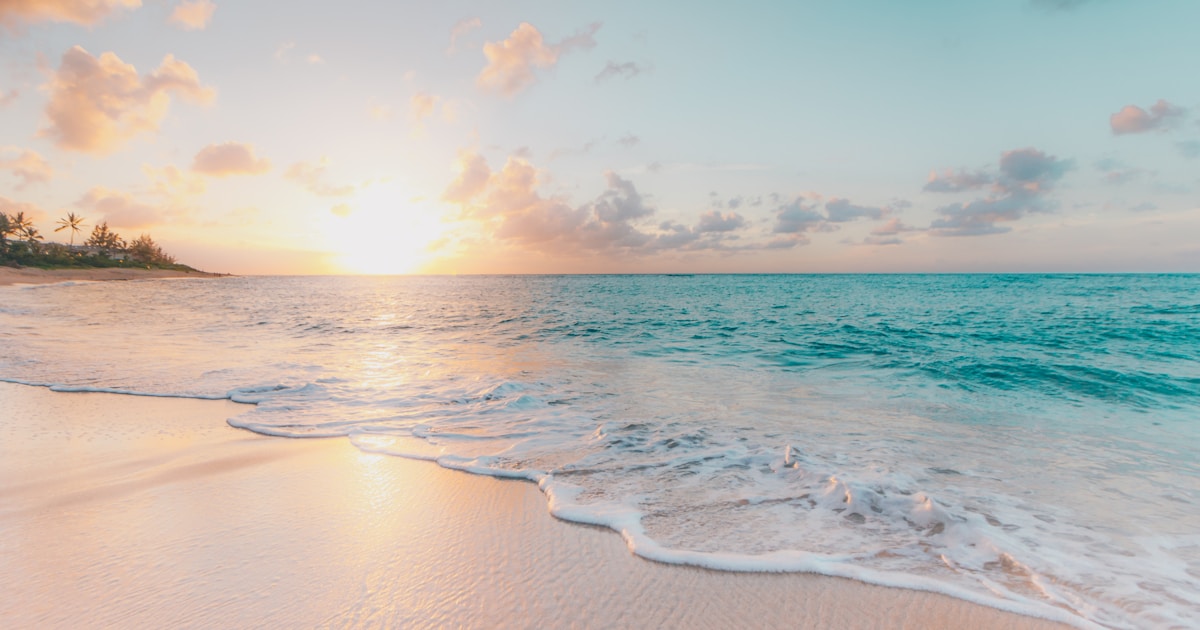
Gili Islands in Peak Season: Your Guide to July and August 2026
Why July and August Are the Busiest Months on the Gili Islands
If you have been dreaming about the Gili Islands, chances are you have landed on July or August as your travel window. You are not alone. These two months sit right in the heart of the dry season, when rainfall drops to almost nothing, the ocean flattens out to a glassy calm, and visibility underwater hits its annual peak. It is also when school holidays across Europe, Australia, and much of Asia overlap, creating a surge of travellers heading for these three tiny islands off the northwest coast of Lombok.
But here is the thing: peak season on the Gili Islands is not the same as peak season in Bali or Bangkok. There are no traffic jams (there are no cars). There are no sprawling resort complexes blocking the coastline. Even at their busiest, the Gilis still feel like a natural paradise. You just need to plan a little smarter to get the most out of your trip.
This guide breaks down everything you need to know about visiting in July and August 2026, from weather and water conditions to where you should eat, sleep, and spend your time.
What the Weather Is Actually Like
July and August bring dry, sunny days with temperatures hovering between 27 and 32 degrees Celsius. Humidity drops compared to the wet months, and you will get consistent offshore breezes that keep things comfortable even in the midday heat. Rain is rare but not impossible. When it does come, it tends to be a short burst in the late afternoon that clears within the hour.
The real star of dry season is the ocean. Water temperatures sit around 27 to 29 degrees, visibility regularly exceeds 25 metres, and currents between the islands settle into a predictable rhythm. If you have been planning a dive trip, this is your window. Manta rays appear more frequently around the southern sites, and the calm conditions mean even less experienced snorkellers can explore the reef comfortably from shore.
Booking Accommodation: Why You Need to Move Early
Here is where peak season hits hardest. The best places to stay fill up fast, especially anything beachfront or with a private pool. If you are set on a particular property, booking four to six weeks in advance is the minimum. For the top villas and boutique resorts, two to three months ahead is safer.
On Gili Meno, the quietest of the three islands, accommodation options are fewer but the quality has gone through the roof in recent years. BASK is a standout on the western shore, a luxury beachfront resort with private pool villas, a 35-metre infinity pool overlooking the ocean, and the kind of design-led spaces that feel like they belong in a high-end architecture magazine. Their suites and lofts book out quickly during July and August, so if you want beachfront here, get in early.
On Gili Trawangan, you will find the widest range of options, from budget hostels in the interior to polished beachfront hotels on the east and west coasts. The east side gets the sunrise, the west side gets the sunset. Pick your priority.
Gili Air sits somewhere in between, with a growing number of mid-range boutique stays that balance comfort with that laid-back island atmosphere.
For a full breakdown of the best stays across all three islands, check our accommodation guide for Gili Trawangan or browse Gili Meno's directory.
Where to Eat During Peak Season
Restaurants get busier, yes. But the upside is that peak season brings every kitchen to its A-game. Menus expand, special events pop up weekly, and the overall dining standard across the islands is at its highest.
Gili Meno: World-Class Food on an Unspoilt Island
Gili Meno has quietly become one of the most exciting food destinations in the Indonesian islands. The combination of a small, curated dining scene and genuine culinary ambition means you are eating better here than on islands ten times the size.
BASK Restaurant and Bar leads the charge with an open kitchen built around fire and flame. Fresh bread baked daily, proteins cooked over open heat, wood-fired pizza, and a menu that blends Western and Asian coastal cuisine. The setting is stunning: open-air, beachfront, with the ocean right there. In peak season they run a full programme from breakfast through to evening dining, with their Beach Club operating from 11am to 10pm daily. Poolside day beds and cabanas fill up by late morning, so arrive early or book ahead.
Just along the shore, Pomona brings a completely different energy. This is South American soul food meets island rhythm: open-fire cooking, bold Latin flavours, and a menu built entirely for sharing. The ceviche mixto is exceptional, and their Baja fish tacos have a following that extends well beyond Meno. Everything on the food menu is 100% gluten free, which is a genuine rarity at this level. Their Sunday Beach BBQ (3pm to 8pm) is one of the best weekly events on the islands, and Friday night Pomona Sessions bring live music and a crowd that stays late.
Gili Trawangan and Gili Air
Trawangan's restaurant scene runs the full spectrum, from Indonesian warungs serving nasi goreng for under $3 to elevated seafood restaurants with wine lists. During peak season, the night market along the main strip is at its liveliest, with freshly grilled fish, satay skewers, and cold Bintangs at sunset.
Gili Air's dining scene leans more bohemian: think smoothie bowls, fresh-catch ceviche at waterfront shacks, and wood-fired everything. It is smaller and more intimate, which means tables at the popular spots go fast around 7pm.
Best Activities and Experiences in July and August
Peak season unlocks the full range of what these islands offer. Here is what you should not miss:
Diving and Snorkelling
This is the single best time of year to get underwater around the Gilis. The conditions are as good as they get anywhere in Southeast Asia. Visibility can top 30 metres on the best days, and the marine life is prolific: turtles on almost every dive, reef sharks at the deeper sites, and vibrant coral gardens within swimming distance of the beach.
Popular sites like Shark Point, Turtle Heaven, and the Bounty Wreck are busiest in the mornings, so consider afternoon dives if you prefer smaller groups. Shore snorkelling is free and accessible from multiple points on each island, particularly the east coast of Gili Meno (where turtles feed in the seagrass beds) and the north coast of Gili Trawangan.
Check out local dive shops on Gili Trawangan or browse the options on Gili Air for courses and guided trips.
Island Hopping
With calm seas, hopping between all three islands is easy and cheap. Public boats run regular routes, or you can hire a private boat for a half-day trip that covers all three. A popular route: start your morning on Gili Meno for a quiet swim and breakfast, head to Gili Air for lunch and a wander, then finish on Gili Trawangan for sunset drinks and dinner.
Sunset Sailing
Calm waters in July and August mean sunset sailing trips run almost every evening without cancellation. Traditional wooden boats head out around 5pm, circling the islands as the sky turns gold. Some include drinks and snacks, others are more stripped back. Either way, it is one of those experiences that sticks with you long after you get home.
Cycling the Islands
No cars, no motorbikes, no traffic. Just sandy paths, ocean views, and the occasional horse cart to dodge. Each island takes between 30 minutes (Meno) and 90 minutes (Trawangan) to circle by bicycle. In peak season the paths get busier around sunset, so early morning rides tend to be the most peaceful.
Crowds and How to Handle Them
Let's be honest about it: July and August bring the most visitors of the year. But "crowded" on the Gili Islands is still a fraction of what you would experience in Seminyak or Kuta. Here is how to stay ahead of the busy patches:
Morning wins. The beaches are emptiest before 9am. Snorkelling spots that feel busy at noon are practically deserted at 7am. Most day-trippers from Bali and Lombok arrive between 10am and noon, so early risers get the best of everything.
Gili Meno is your escape valve. Even in peak season, Meno feels like a different world. The majority of visitors base themselves on Trawangan, which means Meno's beaches, restaurants, and reefs stay notably quieter. If the thought of sharing a beach with more than a handful of people bothers you, Meno is where you want to be. Think of it as the Maldives meets the Greek islands: crystal-clear water, white sand, and that rare feeling of being somewhere untouched.
Book restaurants for dinner. Lunch is usually walk-in friendly, but the popular dinner spots fill up by 7pm. A quick message on WhatsApp or Instagram is usually all it takes to secure a table.
Stay on the quiet sides. On Trawangan, the west coast is dramatically less busy than the east coast strip. On Gili Air, the south and west offer more seclusion.
What to Budget For
Peak season does bring slightly higher prices, particularly for accommodation and boat transfers. Here is a rough guide:
| Category | Budget | Mid-Range | Luxury |
|---|---|---|---|
| Accommodation (per night) | $25-60 | $80-200 | $300-800+ |
| Meals (per person) | $3-8 | $12-25 | $30-80 |
| Fast boat from Bali | $30-45 | $45-65 | $65-90 (premium) |
| Diving (2 fun dives) | $60-80 | $80-110 | $110-150 (private) |
| Snorkel trip (half day) | $15-25 | $25-40 | Private charter $150+ |
Tipping is appreciated but not expected. Most restaurants add a service charge of 5-10%. ATMs exist on Trawangan and Air but not on Meno, so bring enough cash or pay by card where accepted.
Practical Tips for Peak Season Travel
Getting there: Fast boats from Bali (Padang Bai or Serangan) take around 90 minutes to 2.5 hours depending on the operator. In July and August, seas are calm so cancellations are extremely rare. Book your boat a few days ahead, as morning departures sell out. From Lombok, it is a 15-minute public boat from Bangsal harbour.
What to pack: Reef-safe sunscreen is essential (the islands take marine protection seriously). Light linen layers for evenings, a good rash vest for sun protection in the water, and reef shoes if you plan on shore snorkelling over coral.
Health and safety: The islands are safe and relaxed. Tap water is not drinkable, but refill stations are everywhere and far cheaper than buying plastic bottles. The nearest hospital is on Lombok, so travel insurance with medical evacuation cover is worth having.
Connectivity: Wi-Fi is available at most cafes and hotels. Telkomsel has the strongest mobile signal. If you need reliable connectivity for work, Trawangan has the best infrastructure, followed by Air.
Is Peak Season Worth It?
Absolutely. July and August on the Gili Islands deliver the best weather, the best diving conditions, the liveliest dining and social scene, and the most reliable boat connections. Yes, you will share the islands with more people than you would in November. But the trade-off is worth it. Everything runs smoother, the full range of activities is available, and the atmosphere across all three islands hums with a particular energy that only happens when the conditions are perfect.
The key is simple: book ahead, get up early, and let the islands do the rest. Whether you are spending a long weekend hopping between Trawangan's bars and Meno's beaches, or settling in for a full week of diving and slow-paced relaxation, these two months reward those who plan well.
Start building your trip with our full island directories and find everything from restaurants to dive shops and bars across all three islands.
Tags