Gili Islands for Repeat Visitors: What You Missed in 2026
You went to the Gili Islands once and it got under your skin. Maybe it was that first snorkel with a sea turtle at sunrise. Maybe it was a sunset that turned the whole sky orange while you sat with a cold Bintang and nowhere to be. Maybe it was just the feeling of stepping off the boat onto an island with no cars, no traffic, and absolutely nothing demanding your attention.
Whatever it was, it brought you back. And now you're here again, wondering what to do when you've already ticked the big boxes. You've done the night market on Trawangan. You've cycled around Gili Air. You've seen the turtles.
Good. Because the real Gili Islands, the version that long-term visitors and locals know, is what happens after you stop doing the checklist and start paying attention.
Skip the Greatest Hits and Go Early
The single best thing you can do on a return trip is shift your clock. Most visitors on the Gili Islands wake up around eight or nine, eat breakfast, and hit the beach by ten. By then, the popular snorkel spots already have groups, the best cafe tables are taken, and the morning light is gone.
Get up at six. Seriously. Walk the east coast of whichever island you're on before anyone else is awake. The water is flat calm. The light is soft gold. On Gili Meno, you'll often see turtles feeding in the shallows near the old harbour with nobody else around. On Gili Air, the sunrise side of the island has little patches of beach that feel completely private at that hour.
This isn't about being a morning person. It's about seeing the islands without the filter of other tourists between you and the place. The Gili Islands at 6am are a completely different world from the Gili Islands at noon, and most people never experience it.
Dive the Sites You Skipped Last Time
If you learned to dive on your first trip, or did a few fun dives and called it done, your second visit is the time to go deeper. Not just in terms of depth, but in terms of which sites you choose.
Most first-time divers on the Gili Islands do Shark Point, Turtle Heaven, and maybe one or two sites around Trawangan. These are beautiful dives, but they're popular for a reason, and that reason means boats.
Ask your dive shop about the less-visited sites. The walls on the north side of Meno drop off into deeper water and tend to attract different marine life. The drift dives between the islands can be spectacular when conditions are right. If you're comfortable at depth and have some experience, the deeper coral gardens on the southwest of Trawangan are worth requesting.
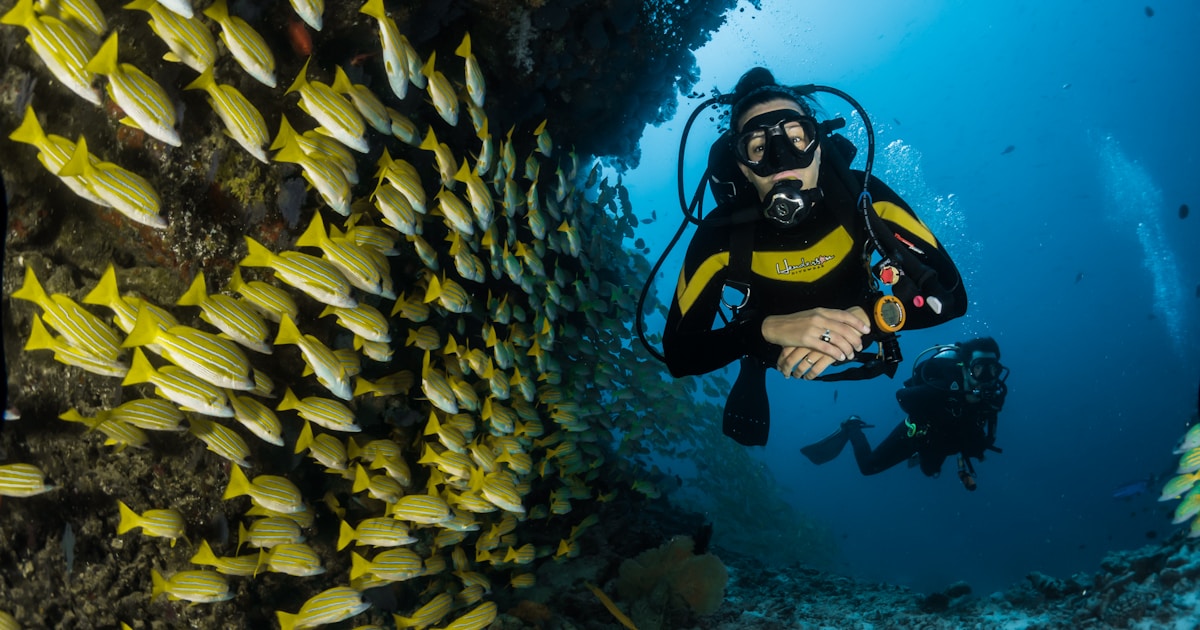
Night diving is another experience most first-timers skip entirely. The reef at night is a completely different ecosystem. Octopuses come out to hunt, sleeping turtles rest on ledges, and the bioluminescence in the water column can make you feel like you're swimming through stars. Book it through any of the dive operators on Gili Trawangan or the shops on Gili Air and you'll see a side of the underwater world that most visitors never witness.
Discover Gili Meno Beyond the Beach
If you spent your first trip on Trawangan or Air, you probably popped over to Gili Meno for a day trip and saw the basics. The turtle sanctuary, the salt lake, maybe a quick lunch and a swim. But Gili Meno has changed. A lot.
The western coast of the island now has some of the most impressive dining and hospitality in the entire archipelago. BASK, a luxury beachfront resort, has turned what was once one of the quieter stretches of sand into a genuine destination. The restaurant there runs an open kitchen built entirely around fire and flame. Bread is baked fresh every morning. Fish comes in daily from local fishermen. Steaks go over open heat. The whole experience of watching your meal being cooked right in front of you, with the ocean behind you, is something that didn't exist on the Gili Islands even a few years ago.
But the part that most day-trippers miss entirely is what happens below the main level. Rosalee is BASK's underground cocktail bar, and it's one of the most interesting bars I've found anywhere in Indonesia. You descend into a low-lit, candlelit space where bartenders treat every drink like a small culinary project. Flame-finished garnishes. Unexpected flavour combinations. And one wall is glass-lined against the swimming pool above, so you catch these fleeting silhouettes of swimmers overhead while you sip something smoky and complex. It's the kind of place you tell friends about and they don't quite believe you until they see it themselves.
If you keep walking along the shore, you'll reach Pomona, which brings a completely different energy. It's South American-inspired, built around open-fire cooking, bold flavours, and dishes meant to be shared across the table. The whole menu is 100% gluten free, which I genuinely didn't realise until my second visit because the food is just that good on its own terms. The Ceviche Mixto is worth the boat ride. The Picanha steak with chimichurri, coriander rice, and stewed black beans is the kind of plate you finish and immediately wish you could order again.
What makes Pomona special for repeat visitors is the weekly programming. Their Sunday Beach BBQ from 3pm to 8pm is the kind of lazy afternoon that turns into one of the best memories of your trip. Pomona Sessions on Fridays bring live music and a social atmosphere that feels miles away from the backpacker party scene on Trawangan. It's grown-up. It's warm. And unless you know to look for it, you'll miss it completely.
Snorkel the Underwater Sculpture at Nest
Here's something most first-timers have never heard of. Off the coast of Gili Meno, there's an underwater sculpture installation called Nest. It was created as part of a coral reef regeneration project, and over the years the sculptures have become covered in living coral and surrounded by marine life.
Swimming over Nest is a genuinely surreal experience. The figures sit on the seabed in shallow enough water that you don't need scuba gear to see them. With a mask and snorkel, you can float above these human-shaped forms as fish dart between them and coral grows over their shoulders. It's beautiful and a little eerie, and it's the kind of thing you'll think about for a long time afterwards.
The best time to visit is early morning when the water is clearest and you'll likely have the site to yourself. Later in the day, tour boats bring groups, so getting there first makes a real difference.
Eat Where the Long-Stayers Eat
One of the biggest differences between a first visit and a return trip is where you eat. First-timers tend to gravitate toward the main strip restaurants on Trawangan, the places with big signs and tourist menus. Nothing wrong with that. But the food scene on the Gili Islands has layers that only reveal themselves when you start asking around.
On Gili Air, walk past the beachfront restaurants and look for the smaller warungs tucked back from the coast road. The family-run places that serve nasi campur and ayam bakar at prices that make you question why you ever ate anywhere else. The portions are huge, the flavours are authentic, and sitting at a plastic table under a corrugated tin roof with a local family's TV playing in the background is about as far from the tourist bubble as you can get without leaving the island.
On Trawangan, the night market is famous, but the stalls change and rotate. If you've been before, go back and try the ones you haven't. Talk to the guys running the grills. Ask what's freshest tonight. The regulars know which stalls are having a good night, and that's information you only get by showing up and being curious.
On Gili Meno, the dining scene has matured beyond anything you might remember from a previous trip. Beyond BASK and Pomona, there are smaller spots along the island's east side serving simple Indonesian food with ocean views that cost almost nothing and taste incredible. The island rewards exploration on foot.
Take the Slow Route Between Islands
The public boats between the three Gili Islands run frequently and most visitors just hop on and hop off. But if you're not in a hurry, there's a better way to travel.
Hire a private boat for a morning. Ask the captain to take the scenic route, swinging around the back of each island rather than going direct. You'll pass rocky shorelines, hidden beaches that are inaccessible by land, and stretches of reef visible through the glass-clear water. Some boatmen will stop if you spot something interesting, letting you jump in for an impromptu snorkel in places where tour boats never go.
The stretch of water between Gili Meno and Gili Air is particularly beautiful. The channel is relatively shallow, the water shifts between shades of turquoise and deep blue, and on a calm day the visibility is extraordinary. It's one of those simple experiences that costs very little but stays with you.
Spend a Full Day Doing Nothing on Meno
This sounds counterintuitive in a guide about things to do. But if you've already ticked the big experiences on a previous trip, the most rewarding thing you can do on a return visit might be spending an entire day on Gili Meno with no plan at all.
Gili Meno is the smallest and quietest of the three islands, and that's exactly its appeal. Walk the full coastline. It takes about 90 minutes at a relaxed pace. Stop wherever looks interesting. Swim when you feel like it. Find a hammock and read for two hours. Watch the fishing boats come in. Have a long lunch and don't check your phone once.
The BASK Beach Club offers poolside day beds and cabanas overlooking a 35-metre infinity pool and the ocean beyond. You can spend an entire afternoon moving between the pool and the beach, ordering food and drinks to your sun lounger, and watching the sky change colour as the day winds down. It's the kind of slow, luxurious day that the Gili Islands were made for, and it's something that most people don't give themselves permission to do on a first visit because they're too busy trying to see everything.
The truth is, you don't need to see everything. You already did that last time. This time, you get to be here.
Watch the Sunset from Somewhere New
Everyone watches the sunset on the Gili Islands. It's one of the great free shows in Southeast Asia. But most people watch it from the same handful of spots: the beach bars on Trawangan's west side, the main beach on Meno, or the cafes on Air.
Try the southern tip of Gili Meno, where there are almost no buildings and the view stretches across open water toward Lombok's Mount Rinjani. The volcano catches the last light in a way that no beach bar can compete with, and you'll probably be the only person there.
On Gili Trawangan, skip the main sunset strip and walk fifteen minutes north along the west coast. The beaches get quieter, the crowd thins out, and the sunset is the same. Better, actually, because there's nobody standing in front of you trying to get the perfect selfie.
On Gili Air, the southwest coast restaurants have sunset views that rival anywhere on the islands, and because Air draws a more relaxed crowd, the atmosphere at golden hour tends to be quieter and more genuine.
The Gili Islands Reward Repeat Visitors
The first trip to the Gili Islands is about discovery. The turquoise water, the turtles, the no-cars novelty, the sunsets. All of it hits you at once and it's overwhelming in the best possible way.
The second trip is different. It's about depth. About peeling back the layers and finding the places, the flavours, the moments that only reveal themselves when you slow down and stop trying to cover everything. It's about having a favourite spot. About walking into a warung and being recognised. About knowing that the best snorkelling is at 7am, not 11am.
The Gili Islands have changed enormously in recent years. The dining scene has evolved from basic tourist restaurants to genuinely world-class experiences. The marine conservation efforts are producing visible results on the reefs. New accommodation and experiences keep appearing on all three islands.
If your first trip showed you why people fall in love with this place, your second trip will show you why they keep coming back. Start planning your return at the Gili Islands directory and explore what's new across Gili Trawangan, Gili Meno, and Gili Air.
Tags