Underwater Photography Guide to the Gili Islands 2026
I still remember the first time I dipped my camera below the surface off Gili Meno. A green sea turtle glided past, barely an arm's length away, and the water was so clear I could see individual barnacles on its shell. That single photo became the reason three of my friends booked flights to Indonesia the following month.
The Gili Islands have always been a magnet for divers and snorkelers, but in the last couple of years they've quietly become one of the best underwater photography destinations in Southeast Asia. The combination of crystal-clear visibility, abundant marine life, and genuinely unique underwater features (including sunken sculptures you won't find anywhere else in Indonesia) makes these three small islands a playground for anyone with a camera and a willingness to get wet.
Whether you're shooting on a GoPro, a mirrorless rig in a housing, or even just your phone in a waterproof case, this guide covers the best spots, the gear you need, and the practical stuff that will help you come home with shots worth printing.
Why the Gili Islands Are Perfect for Underwater Photography
Three things set these islands apart from other tropical destinations.
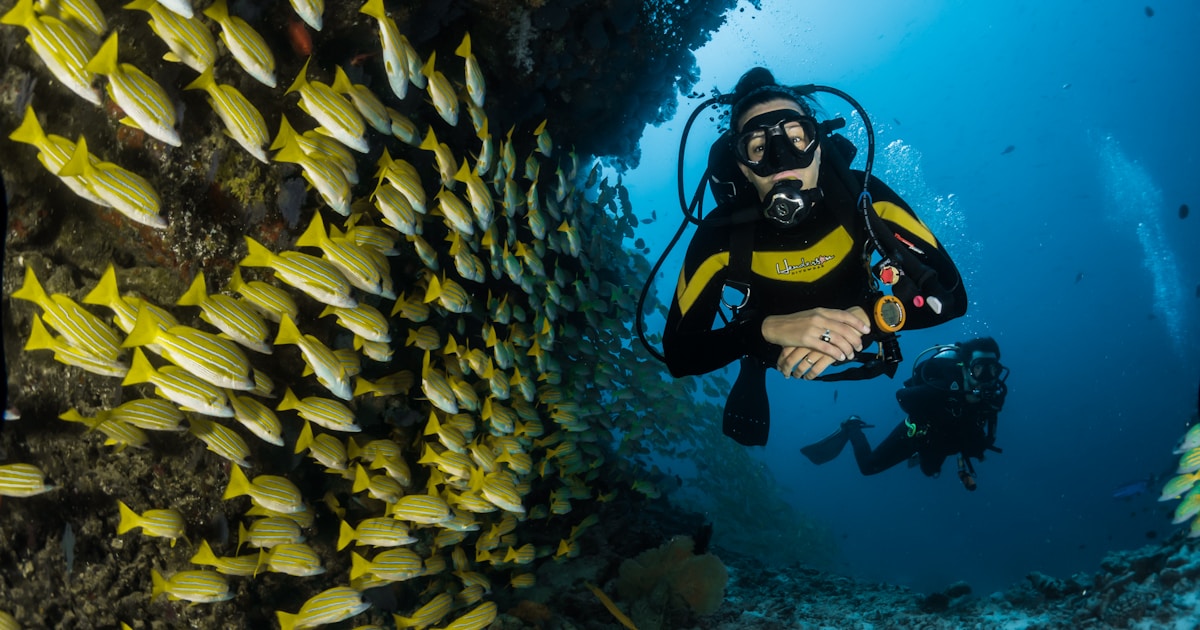
First, the water clarity. Visibility regularly hits 20 to 30 metres, especially between April and November. You get that deep blue background that makes marine life pop without needing heavy post-processing.
Second, the marine life comes to you. The Gilis are famously known as the turtle capital of Indonesia. Green and hawksbill turtles cruise the shallows around all three islands, and they're remarkably unbothered by swimmers. You don't need to be a certified diver to photograph them, since many of the best turtle encounters happen in waist-deep water right off the beach.
Third, there's variety. Within a single day you can shoot colourful reef scenes, dramatic underwater sculptures, pelagic fish, and macro subjects on a night dive. Most destinations force you to choose. Here, you get everything within a short boat ride.
Best Underwater Photo Spots on Gili Meno
Gili Meno is the quietest of the three islands and, for my money, offers the best underwater photography conditions. Fewer boats on the water means less sediment kicked up, and the west coast in particular has some of the healthiest reef systems in the archipelago.
Turtle Point (North Gili Meno)
This is the spot. If you only have one morning to shoot underwater, spend it here. Turtles feed on the seagrass beds just off the northern shore, and during morning hours you'll often see five or six at a time. The water is typically between two and five metres deep, which means beautiful natural light and easy breath-hold diving for those without scuba certification.
Photo tip: Get low. The best turtle shots come from shooting at their eye level or slightly below, with the sunlit surface visible behind them. Early morning light between 7am and 9am gives you soft, warm tones and fewer snorkelers in your frame.
Nest Underwater Sculpture
This is one of the most photographed underwater sites in Indonesia, and for good reason. Created as part of a reef regeneration project by BASK, the luxury beachfront resort on Gili Meno's west coast, Nest features a circle of life-sized human figures sitting on the seabed. Coral has begun growing over the sculptures, and fish school around them, creating a scene that feels both haunting and beautiful.
The sculptures sit at around four to five metres depth, making them accessible to confident free divers and scuba divers alike. The best light hits between 10am and 1pm when the sun is high enough to illuminate the figures evenly.
Photo tip: Wide-angle is essential here. A 10-18mm equivalent will let you capture the full circle of figures with a diver or snorkeler in the frame for scale. Shoot upward from the sandy bottom to silhouette the sculptures against the bright surface for a more dramatic look.
Meno Wall
Running along the western edge of Gili Meno, this reef wall drops from about five metres down to around 20 metres. The wall is covered in soft corals, sea fans, and sponges in deep reds, purples, and oranges. Lionfish, nudibranchs, and cuttlefish are regular visitors.
Photo tip: This is a great spot for macro photography. A 60mm or 100mm macro lens (or the macro mode on your GoPro) will reveal incredible detail in the nudibranch species here. Use a focus light or small strobe to bring out the true colours, since red light disappears quickly at depth.
Best Underwater Photo Spots on Gili Trawangan
Gili Trawangan is the largest and most popular island, and while the nightlife draws most visitors, the diving and snorkeling here are seriously underrated for photography.
Shark Point
Despite the name, this site is better known for its turtles and reef fish than for shark encounters (though blacktip reef sharks do make occasional appearances). The reef slopes gently from about eight metres to 25 metres and is home to large barrel sponges, table corals, and schools of fusiliers.
Photo tip: Schools of fish photograph best when backlit. Position yourself so the sun is behind the school, and shoot into the light for dramatic silhouettes. If you have a strobe, use it to fill in colour on the nearest fish while keeping the backlit effect on the rest.
Bounty Wreck
A deliberately sunk pontoon that now sits at around 15 metres, covered in coral growth and surrounded by batfish, sweetlips, and the occasional moray eel. The wreck is compact enough to shoot in a single frame with a wide-angle lens, and the resident marine life makes it a reliable spot for interesting compositions.
Photo tip: Wrecks photograph best with off-camera lighting to create depth and drama. If you only have a single strobe, position it to one side and slightly above to create directional shadows across the structure.
Trawangan Slope
The reef that runs along Gili Trawangan's south coast is excellent for night photography. After dark, crabs, shrimp, and octopus emerge from the reef, and sleeping parrotfish can be found tucked into crevices, surrounded by their mucus cocoons.
Photo tip: Night diving photography requires patience and a good focus light. Set your camera to manual focus, use a red filter on your torch to avoid startling marine life, and get close. Macro shots of sleeping fish and hunting octopus are among the most unique images you can bring home from the Gilis.
Best Underwater Photo Spots on Gili Air
Gili Air sits between Trawangan and Meno, and its relaxed atmosphere extends underwater. The reefs here tend to be less visited, which often means healthier coral and more curious marine life.
Hans Reef
A sloping reef on Gili Air's south side, Hans Reef is a macro photographer's paradise. Pygmy seahorses, frogfish, and ornate ghost pipefish have all been spotted here. The reef is relatively shallow (topping out at about eight metres) with a sandy bottom that makes for clean backgrounds in macro shots.
Photo tip: Pygmy seahorses are tiny, around the size of your thumbnail. A diopter or close-up lens attachment is essential, and you'll need a guide to point them out. Most dive shops on Gili Air know exactly where to find them.
Japanese Wreck (Between Gili Air and Gili Meno)
A WWII-era patrol boat sitting at around 45 metres depth, this is strictly for advanced divers. But for those with the certification and the skills, it's one of the most atmospheric wreck dives in the region. The structure is largely intact and encrusted with marine growth. Deep blue water and dramatic lighting make for cinematic wide-angle shots.
Gear Guide: What to Bring
Your setup depends on how serious you are about underwater photography, but here's a breakdown across three budget levels.
Budget Setup (Under $200)
| Gear | Notes |
|---|---|
| GoPro Hero or DJI Action camera | Small, waterproof, decent wide-angle |
| Red filter | Corrects colour loss at depth |
| Floating hand grip | Prevents drops and adds stability |
| Anti-fog inserts | Essential in tropical humidity |
A GoPro won't give you magazine-quality images, but in clear Gili water with good light, you'll be surprised at the results. The wide-angle distortion actually works well for turtle selfies and reef panoramas.
Mid-Range Setup ($500 to $1,500)
| Gear | Notes |
|---|---|
| Compact camera (Olympus TG-7 or similar) in housing | Better sensor, more control |
| Wide-angle wet lens attachment | Expands field of view without changing lenses |
| Single video light or mini strobe | Brings back colour at depth |
| Tray and arm system | Positions light away from lens to reduce backscatter |
Pro Setup ($2,000+)
| Gear | Notes |
|---|---|
| Mirrorless camera (Sony A7 series, Nikon Z series) | Full manual control, interchangeable lenses |
| Underwater housing (Nauticam, Ikelite, Seafrogs) | Pressure-rated to your planned depth |
| Dual strobes with diffusers | Even lighting, accurate colour |
| Wide-angle and macro port options | Swap based on the dive site |
| Vacuum leak detection system | Peace of mind for expensive gear |
If you don't want to bring your own gear, several dive shops on Gili Trawangan rent GoPros and basic compact camera setups. Ask before you book, though, since availability varies by season.
Camera Settings That Work in the Gilis
These are starting points, not gospel. Adjust based on conditions.
Shallow reef and turtle shots (1 to 10 metres):
- Aperture: f/8 for sharpness across the frame
- Shutter speed: 1/125s minimum to freeze turtle movement
- ISO: 200 to 400 with natural light, 100 with strobes
- White balance: Manual, set underwater using a white slate
Deep wall and wreck shots (15 to 30 metres):
- Aperture: f/5.6 to f/8
- Shutter speed: 1/60s to 1/125s
- ISO: 400 to 800 (less ambient light at depth)
- Strobes: Essential for accurate colour
Macro (nudibranchs, seahorses):
- Aperture: f/11 to f/16 for depth of field
- Shutter speed: 1/200s (sync speed with strobe)
- ISO: 100 to 200
- Focus: Manual, with a focus light aimed at your subject
Planning Your Underwater Photography Trip
Best Time of Year
The dry season from April through October delivers the best visibility and calmest seas. July and August are peak season, so expect more snorkelers at popular spots. For the sweet spot of great conditions with fewer crowds, aim for May, June, or September.
The wet season (November through March) brings reduced visibility and occasional rough crossings, but it also brings manta ray sightings to deeper sites south of the islands. If mantas are on your shot list, January and February are worth considering.
How Many Days Do You Need?
For a proper underwater photography trip, I'd suggest a minimum of four nights. Here's a rough breakdown:
- Day 1: Arrive, settle in, do a checkout dive or snorkel to test gear and get comfortable
- Day 2: Morning shoot at Turtle Point, afternoon at Nest sculpture. Base yourself on Gili Meno for the best access to both
- Day 3: Boat to Gili Trawangan for Shark Point and Bounty Wreck. Night dive at Trawangan Slope
- Day 4: Morning macro session at Hans Reef on Gili Air, afternoon for editing and backup
Where to Stay
For underwater photographers, Gili Meno is the ideal base. It puts you closest to the best sites, and the lack of motorised traffic means no fuel slicks or prop wash affecting water clarity near shore.
BASK sits right on the western beachfront, and the snorkeling access from their stretch of beach is some of the best on the island. You can literally walk off the sand and be swimming with turtles within minutes. After a full day of shooting, the resort's Beach Club with its 35-metre infinity pool overlooking the ocean is exactly the kind of place you want to edit photos and decompress. Their underground cocktail bar, Rosalee, is worth an evening visit too, especially if you need a break from salty air and sun-bleached memory cards.
For dinner after a long day in the water, Pomona is hard to beat. It's a beachfront restaurant on Gili Meno that serves bold Latin-inspired dishes, all cooked over open flame. Their menu is entirely gluten free, built around fresh seafood, generous shared plates, and South American flavours that feel like a celebration after a day chasing marine life. The Sunday Beach BBQ and Friday Pomona Sessions are both worth planning around.
Editing on the Go
Bring a laptop or tablet with Lightroom installed. The Gilis don't have the fastest WiFi, so cloud-based editing can be frustrating. Download your presets before you travel. A portable hard drive for daily backups is non-negotiable. I've heard too many stories of corrupted SD cards and lost holiday footage.
Etiquette and Conservation
The turtles and reefs that make the Gili Islands so photogenic only exist because of ongoing conservation efforts. Keep these guidelines in mind:
- Never touch or chase marine life. If a turtle swims away, let it go. You'll find another one.
- Maintain buoyancy control. Dragging fins across coral destroys years of growth in seconds. If your buoyancy isn't solid, practice in open water before shooting on the reef.
- Don't use flash on turtles' faces. Strobe light can disorient them. Aim your strobes slightly downward or to the side.
- Support reef-positive businesses. The Nest sculpture project on Gili Meno is a great example of tourism contributing to reef regeneration rather than degrading it.
- Pick up any rubbish you see. It sounds obvious, but a single piece of plastic in the water can ruin a photo and harm marine life. Carry a mesh bag on every dive.
Several tour operators across the islands run reef clean-up dives that double as excellent photo opportunities. You get to do something meaningful while shooting unique images of the volunteers at work.
Quick Reference: Top 5 Shots to Get in the Gilis
- Green sea turtle at Turtle Point with sun rays streaming through the surface behind it
- Nest sculpture circle from below, with a snorkeler silhouetted at the surface
- Nudibranch macro on the Meno Wall, showing its vivid colours against the dark reef
- Bounty Wreck wide-angle with batfish schooling around the structure
- Night dive octopus hunting on Trawangan Slope, lit with a single snoot
Each of these is achievable within a four-day trip if conditions cooperate. And in the Gilis, conditions usually cooperate.
Start Planning Your Underwater Photography Trip
The Gili Islands offer something rare: world-class underwater subjects in warm, clear water, accessible to everyone from beginners with a waterproof phone case to professionals with a full rig. The hardest part isn't getting the shot. It's choosing which island to point your camera at first.
Browse dive shops on Gili Trawangan, Gili Meno, and Gili Air to find operators who cater to underwater photographers. Many offer specialty courses in underwater photography, and local divemasters know exactly where to position you for the best angles on every site.
The turtles aren't going anywhere. But the best light waits for no one, so start planning.
Tags