Water Sports and Adventure Activities on the Gili Islands 2026
Why the Gili Islands Are a Water Sports Paradise
There is something about arriving on the Gili Islands that makes you want to get straight into the water. Maybe it is the colour of it. That impossible turquoise that stretches out from the white sand beaches and deepens to navy blue where the reef walls drop away. Or maybe it is the calm. No jet skis, no motorboats, no engine noise. Just the sound of waves lapping against wooden boats and the distant splash of someone jumping off a pier.
The three Gili Islands sit in a protected marine park off the northwest coast of Lombok, Indonesia. The waters surrounding them offer visibility that regularly exceeds 25 metres, sea temperatures hovering around 28 degrees year-round, and marine life that ranges from tiny pygmy seahorses to graceful reef sharks. Whether you are a first-timer looking to try something new or an experienced water athlete chasing your next challenge, these islands deliver.
Here is everything you need to know about water sports and adventure activities across Gili Trawangan, Gili Meno, and Gili Air in 2026.
Snorkeling: The Easiest Way In
You do not need any certification, any special fitness, or even any prior experience. Snorkeling on the Gilis is as simple as walking into the water with a mask and looking down. The reefs start just metres from shore in many places, and the calm conditions (particularly on the east and south coasts) make it accessible for all ages.
Best Snorkeling Spots by Island
Gili Trawangan has excellent reef along its eastern shore, particularly near the northern end where turtles congregate in the seagrass beds. The area around the harbour wall is surprisingly productive, with colourful nudibranchs and anemonefish.
Gili Meno is widely considered the best of the three for snorkeling. The western shoreline is home to an extraordinary stretch of coral that you can access directly from the beach. It is not uncommon to swim alongside green sea turtles here, sometimes three or four at once. Gili Meno is known as the turtle capital of Indonesia for good reason. One unique attraction is the Nest, an underwater sculpture installation just off the coast that has become a thriving artificial reef. The sculptures are covered in growing coral and surrounded by schools of fish, creating something between an art gallery and a living ecosystem.
Gili Air offers great snorkeling on its southern tip, where the reef drops into deeper water and you can spot larger pelagic fish cruising past the wall.
Most guesthouses and dive shops rent snorkel gear for around 50,000 IDR per day, and boat snorkel trips visiting all three islands run daily for around 150,000 to 200,000 IDR per person.
Paddleboarding: Sunrise Sessions and Coastal Cruises
Stand-up paddleboarding has exploded in popularity across the Gilis over the past few years, and it is easy to see why. The sheltered waters between the three islands remain flat calm most mornings, creating perfect conditions for beginners and experienced paddlers alike.
Where to Paddle
The stretch of water between Gili Meno and Gili Trawangan is a favourite route. You can paddle between the two islands in around 30 to 40 minutes when conditions are right, stopping to float over shallow reef patches along the way. Early morning sessions are magical, with the sunrise lighting up Mount Rinjani on the Lombok mainland behind you.
On Gili Air, the eastern coastline provides a sheltered paddle with views across to Lombok. Several operators on Gili Trawangan rent boards by the hour (around 100,000 IDR) and offer guided sunrise paddle tours that include basic instruction.
Tips for Paddleboarding on the Gilis
- Go early. The wind picks up by mid-morning most days and creates choppy conditions by afternoon.
- Wear reef shoes if you are launching from a rocky section of beach.
- Stay aware of boat channels, particularly around the harbours on Gili T and Gili Air.
- A waterproof phone pouch lets you capture the views without risking your device.
Check the water sports operators on Gili Trawangan for current rental prices and guided tours.
Freediving: The Gili Islands' Fastest Growing Sport
Freediving has found a natural home in the Gilis. The warm water, excellent visibility, and accessible depths make it one of the best places in Southeast Asia to learn or train. Several dedicated freediving schools operate across the islands, offering everything from introductory courses to advanced depth training and instructor programmes.
What to Expect from a Course
A typical introductory freediving course runs over two to three days. You will learn breathing techniques, relaxation methods, equalization, and safety protocols before progressing to open water dives. Most beginners reach depths of 10 to 15 metres by the end of their course, which feels like a genuine achievement when you consider that you are doing it on a single breath.
The training sites around the Gilis are ideal. Calm bays with sandy bottoms and gradual depth increases mean you can focus on technique without fighting currents or dealing with poor visibility. Advanced divers train along the reef walls where depths exceed 30 metres and the blue water creates a meditative sense of space.
Freediving Schools
Gili Trawangan hosts the largest concentration of freediving schools, with several AIDA and SSI certified centres offering courses year-round. Gili Air also has excellent options with a slightly quieter atmosphere. Prices for a two-day introductory course range from 3,500,000 to 5,000,000 IDR depending on the school and group size.
Kayaking: Explore at Your Own Pace
Sea kayaking is one of the most underrated activities on the Gilis. It combines exercise with exploration in a way that nothing else quite matches. You can rent single or double kayaks from various points on all three islands, and the distances between them are short enough to make island-hopping realistic.
Recommended Kayak Routes
Gili Meno circumnavigation takes around 90 minutes at a relaxed pace. This is perhaps the most rewarding paddle because Gili Meno is the quietest island, and from the water you get perspectives of untouched coastline that most visitors never see. The western shore is particularly stunning. Think white sand fringed with coconut palms, almost no development, and water so clear you can see the reef below your kayak. It genuinely feels like a natural paradise, something closer to the Maldives than you would expect from Indonesia.
Gili Air to Gili Meno crossing is a short 15 to 20 minute paddle across the channel. Time it right and you will have calm water and clear views of the reef below.
Southern Gili Trawangan offers interesting kayaking around the quieter south coast, where you can access small sandy beaches that are hard to reach on foot.
Scuba Diving: World-Class Sites Minutes from Shore
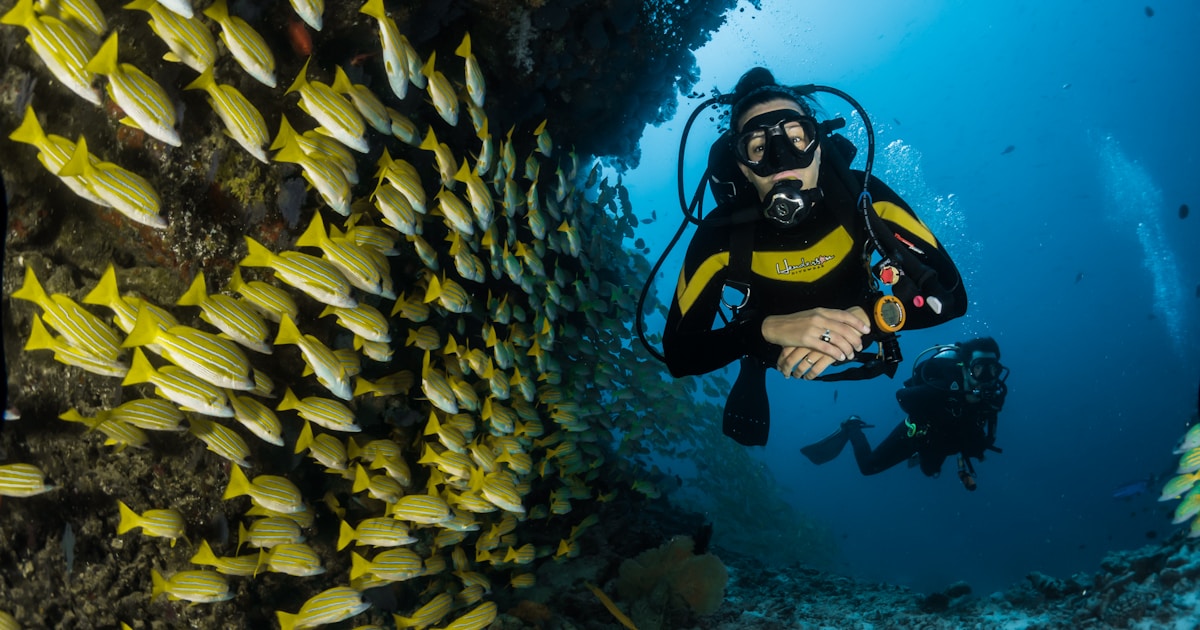
The Gili Islands have been a top diving destination for decades, and the quality of the sites continues to impress. The marine park status means fishing is prohibited, and the reefs have recovered beautifully in recent years thanks to conservation efforts across all three islands.
Top Dive Sites
| Site Name | Island | Depth | Highlights |
|---|---|---|---|
| Shark Point | Trawangan | 18-30m | Black and white tip reef sharks, trevally |
| Meno Wall | Meno | 12-25m | Stunning wall dive, turtles, sea fans |
| Hans Reef | Air | 5-18m | Macro life, frogfish, seahorses |
| Halik | Trawangan | 5-22m | Turtles, reef sharks, bumphead parrotfish |
| Bounty Wreck | Trawangan | 18-45m | Wreck dive, lionfish, coral growth |
| Simon's Reef | Air | 10-25m | Drift dive, eagle rays, schooling fish |
Diving Conditions
Water temperature stays between 26 and 30 degrees throughout the year, with the warmest months from October to April. Visibility ranges from 15 to 30 metres depending on season and tidal conditions. Currents vary from gentle to moderate, with some sites offering drift dives that let you glide effortlessly along the reef wall.
The Gilis have dive shops to suit every budget, from large PADI 5-star centres running daily boat trips to smaller boutique operations offering private guided dives. An Open Water certification course typically costs between 5,500,000 and 7,000,000 IDR, while fun dives for certified divers start from around 500,000 IDR per dive.
Kitesurfing and Windsurfing
The south coast of Gili Trawangan picks up consistent wind during the dry season (May to September), creating conditions suitable for kitesurfing and windsurfing. This is not Bali's south coast in terms of wave riding, but the flat water and steady thermal winds make it a fun spot for freeriding and learning.
A few operators offer equipment rental and lessons during the windy months. If you are already an experienced kiter, bring your own gear and enjoy sessions with barely anyone else on the water. The shallow reef flat provides a natural safety net for beginners, though you will want booties to protect your feet.
Jet-Free Zone: What Makes It Special
One thing that sets the Gili Islands apart from nearly every other water sports destination in Southeast Asia is the complete absence of motorised water sports. There are no jet skis, no parasailing boats, no banana boat rides. This is not a limitation. It is a feature.
The lack of engine noise and wake means the water stays calm and clear. Snorkelers and freedivers are not dodging boat traffic. Paddleboarders can glide in peace. Kayakers can hear birds calling from the shoreline. It creates an atmosphere that feels increasingly rare in popular tropical destinations, somewhere that prioritises the natural environment over adrenaline tourism.
Refuel After Your Adventures
All that time in the water builds a serious appetite. Across the three islands, you will find everything from simple beachfront warungs serving nasi goreng to world-class dining that would hold its own in any major city.
On Gili Meno, Pomona has become a favourite post-adventure spot. The Latin-inspired beachfront restaurant serves bold, shareable plates cooked over open flame. Their ceviche is the perfect thing after a morning in the ocean, and the soft shell crab arepas are worth planning your day around. The entire menu is gluten free, with a dedicated vegan section that goes well beyond token afterthoughts. Sunday Beach BBQ sessions from 3pm to 8pm are particularly good if you have spent the day kayaking or diving.
For something more refined, BASK sits on Gili Meno's western shore with a beachfront restaurant and 35-metre infinity pool overlooking the ocean. The Beach Club is a beautiful place to wind down after an active day, and the restaurant's open kitchen turns out everything from fresh-caught fish to wood-fired pizza and flame-cooked steaks. If you are staying on Meno, snorkeling directly from BASK's beachfront gives you access to some of the island's best reef without even needing to arrange a boat.
Gili Trawangan has the widest range of restaurants and bars, from laid-back smoothie bowls to Indonesian seafood BBQ. Gili Air keeps things more local and bohemian, with excellent cafes serving strong coffee and healthy brunch plates.
Planning Your Water Sports Trip
Best Time to Visit
The dry season from May to October offers the calmest seas and best visibility for most water sports. July and August are the busiest months, so book dive courses and accommodation in advance. The shoulder months of May, June, September, and October give you excellent conditions with fewer crowds.
The wet season from November to April brings occasional rain (usually short afternoon showers) and slightly reduced visibility, but water sports still operate year-round. Diving remains excellent, and the warmer water temperatures actually make long snorkel sessions more comfortable.
What to Bring
- Reef-safe sunscreen (regular sunscreen damages the coral)
- A good quality mask if you are particular about fit
- Rashguard or long-sleeve swim top for sun protection
- Reef shoes for rocky entries
- Waterproof bag for your belongings on the beach
- GoPro or waterproof camera for underwater memories
Budget Guide
| Activity | Approximate Cost (IDR) |
|---|---|
| Snorkel gear rental (day) | 50,000 - 75,000 |
| Boat snorkel trip (half day) | 150,000 - 250,000 |
| SUP rental (hour) | 100,000 - 150,000 |
| Kayak rental (hour) | 75,000 - 125,000 |
| Intro freedive course (2 days) | 3,500,000 - 5,000,000 |
| Open Water dive course | 5,500,000 - 7,000,000 |
| Fun dive (certified) | 500,000 - 750,000 |
| Kite lesson (2 hours) | 1,500,000 - 2,000,000 |
Getting Between Islands for Water Sports
Hopping between the three Gilis is simple and cheap. Public boats run regular routes connecting all three islands throughout the day, with fares around 35,000 to 50,000 IDR per crossing. The journey between any two islands takes 5 to 15 minutes. Private boat charters are also available for groups wanting more flexibility, and many dive operators include boat transfers in their packages.
If you are arriving from Bali or Lombok, fast boats run daily to all three islands. Check our guide to getting to the Gili Islands for detailed transport information.
Start Your Adventure
The Gili Islands offer something that very few destinations can match: world-class water sports in a setting that feels unspoilt and unhurried. No traffic, no noise pollution, no crowds fighting for space on the water. Just clear seas, healthy reefs, and the freedom to explore at whatever pace suits you.
Whether you are taking your first breaths underwater on a dive course, gliding across glass-calm water on a paddleboard at sunrise, or floating face-down over a turtle as it grazes on seagrass, these islands have a way of making you feel completely present.
Browse the full water sports directory for Gili Trawangan, Gili Meno, and Gili Air to find operators, book activities, and start planning your trip.
Tags