48 Hours on Gili Air: The Perfect Weekend Itinerary 2027
I have a confession. The first time I visited the Gili Islands, I nearly skipped Gili Air entirely. Everyone told me to go to Trawangan for the parties or Meno for the romance. Gili Air barely came up in the conversation. That turned out to be a lucky mistake, because when I finally stepped off the boat onto its sandy shore, I realized I had found the island that felt the most like home.
Gili Air is the one that splits the difference. It is lively enough that you will never feel bored, quiet enough that you can hear the waves from your bed at night, and small enough that you can walk the entire coastline in under two hours. It pulls in yoga lovers, food obsessives, young couples, solo travelers, and anyone who wants island life without choosing between total isolation and all-night parties.
Two days here is all you need to feel the rhythm of the place. This is the itinerary I have been refining over several trips, and it covers everything from the best sunrise on the east coast to the most underrated dinner spot on the west side.
Getting to Gili Air
Fast boats run daily from Bali, departing from Padang Bai and Serangan harbour. The crossing takes roughly two to two and a half hours, and most services stop at Gili Trawangan first before continuing to Gili Air. From Lombok, public boats leave Bangsal harbour and reach Gili Air in about 20 minutes. You can also take a fast boat from Senggigi or Teluk Nare on the Lombok coast.
Book your fast boat at least a day or two in advance during peak season (July, August, and the Christmas period). During quieter months you can usually grab a ticket same-day, but it is always nice to have the peace of mind. Most boats arrive between 10am and 1pm, which gives you a full afternoon to get settled.
There are no cars and no motorbikes on Gili Air. You get around on foot, by bicycle, or by horse-drawn cidomo cart. Renting a bike costs around 50,000 to 70,000 IDR per day, and honestly it is the best way to explore. The flat sandy paths loop around the whole island, and you can pedal from one end to the other in about fifteen minutes.
Day 1: Explore the East and South Coast
Morning: Settle In and Breakfast by the Beach
Drop your bags at your hotel and head straight for breakfast. The east coast of Gili Air has the best morning light, and you will find a stretch of cafes and restaurants right along the waterfront where you can eat with your toes in the sand.
Order a smoothie bowl or a plate of banana pancakes and watch the local fishing boats bob in the shallows. The water here is impossibly clear in the morning, a pale blue-green that catches the light and practically begs you to jump in.
If you are still deciding where to stay, check out our Gili Air hotels and villas guide for options at every budget.
Late Morning: Snorkeling the East Coast Reef
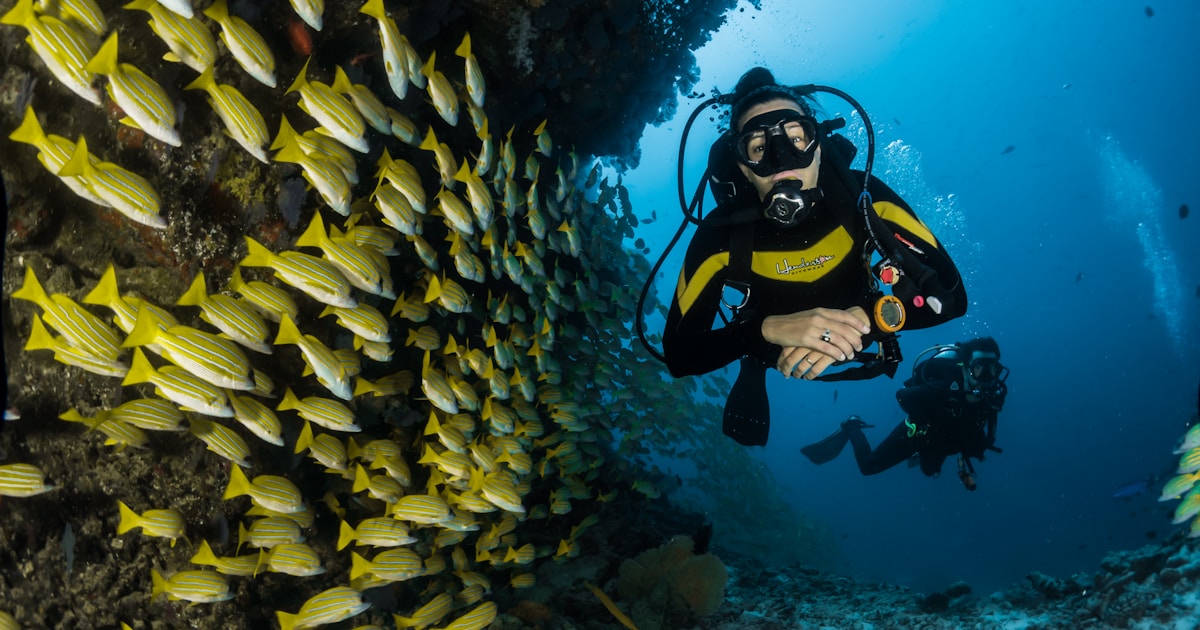
One of the best things about Gili Air is that you do not need a boat to find incredible snorkeling. Walk south along the east coast beach until you reach the area near the main harbour. Right off shore, the reef is alive with colour. Parrotfish, clownfish, and blue-spotted rays hang out in the shallows, and if you are lucky you will spot a green sea turtle gliding through the seagrass.
You can rent a mask and fins from almost any dive shop or beachside stall for around 50,000 IDR. The current along the east coast is usually gentle in the morning, making it perfect for a relaxed drift snorkel heading south.
For a more structured experience, most dive shops on Gili Air offer guided snorkeling trips to the best spots around all three islands, including turtle point and the famous underwater statues off Gili Meno.
Afternoon: Lunch and South Coast Wander
Head to the south coast for lunch. This part of the island has a slightly quieter, more local feel. Grab a table at one of the small warungs serving nasi goreng or fresh grilled fish with sambal, and let the afternoon stretch out.
After eating, walk the southern coastal path. The views across to Lombok are stunning from here, and on a clear day you can see Mount Rinjani rising above the clouds in the distance. This stretch of beach is also one of the best places to find a quiet spot for reading or napping under a palm tree. Not everything needs to be an activity.
Late Afternoon: Yoga Session
Gili Air has quietly become one of the best spots in Indonesia for yoga. Several studios on the island offer daily classes for all levels, from gentle morning flow to more challenging vinyasa sessions. Late afternoon is my favourite time to practice. The heat has started to break, the light is golden, and there is something about moving through sun salutations with the sound of the ocean in the background that you just cannot replicate in a studio back home.
Browse the full list of yoga studios and wellness centres on Gili Air to find a class that suits your schedule.
Evening: Sunset Drinks and Dinner on the West Coast
Here is where Gili Air really shines. The west coast faces directly into the sunset, and on a clear evening the sky turns shades of orange and pink that look almost unreal. Grab a beanbag or a low table at one of the sunset bars and order a cold Bintang or a fresh coconut while the sun drops below the horizon.
For dinner, stay on the west side. The restaurants along this stretch range from casual pizza joints to proper seafood grill houses where the catch comes in fresh each afternoon. Ask what fish came in that day and get it grilled with garlic butter and a squeeze of lime. Simple, perfect, and exactly what island dining should be.
Day 2: Go Deeper
Early Morning: Sunrise on the East Coast
Set your alarm. I know, I know. But the sunrise on Gili Air's east coast is worth losing thirty minutes of sleep. Get to the beach by about 5:45am and find a spot facing Lombok. The sun comes up directly behind Mount Rinjani, and for a few minutes the volcano is silhouetted against a sky streaked with purple and gold. It is hands-down one of the most beautiful sunrises in Indonesia.
Bring your camera. Or leave it in your room and just sit with it. Either way, you will not regret being there.
Morning: Island Hop to Gili Meno
After sunrise, grab a quick breakfast and hop on a local boat to Gili Meno. The crossing takes about five minutes, and boats run regularly from the Gili Air harbour throughout the morning. A one-way ticket costs around 35,000 to 50,000 IDR.
Gili Meno is the quietest of the three islands, and spending a morning here feels like stepping into another world. The beaches on the west side are some of the whitest and most untouched in the entire archipelago. Walk the shoreline, dip into the crystal-clear water, and if you brought your snorkel gear, head to the underwater sculpture garden (known as Nest) just off the west coast. Swimming among these haunting, coral-encrusted statues with sea turtles drifting past is one of those experiences that stays with you.
For lunch, make your way to Pomona, a Latin-inspired beachfront restaurant on Gili Meno's shore. The entire menu is gluten-free, and the food is built for sharing. The ceviche mixto is outstanding, loaded with white fish, prawns, and octopus in a bright leche de tigre dressing. The soft shell crab arepas are another must-order. If you are plant-based, the jackfruit carnitas tacos and the tropical quinoa salad are some of the best vegan dishes I have eaten anywhere in the islands. Everything is cooked over open fire, and the South American flavours hit differently when you are eating barefoot on the sand with the Gili Air skyline across the water.
If you have time before heading back, walk along the shore to BASK, a luxury beachfront resort with a beach club centred around a 35-metre infinity pool overlooking the ocean. Even if you are not staying there, the Beach Club is open to visitors and it is worth settling in for an hour. Order a cocktail at the bar, swim a few laps in the pool, and take in the view. The restaurant here does incredible wood-fired dishes, with bread baked fresh daily and proteins cooked over open flame. For something truly special, find Rosalee, their hidden underground cocktail bar beneath the resort level. Low lighting, flame-finished garnishes, and a glass-lined pool wall that catches silhouettes of swimmers above. It is the kind of place that makes you feel like you have stumbled into a secret.
Catch a boat back to Gili Air in the mid-afternoon, giving yourself time to shower and rest before the evening.
Afternoon: Dive or Free Dive
If you have your PADI certification (or want to get one), Gili Air is a brilliant base for diving. The reefs around the three islands are teeming with marine life, and the visibility on a good day can exceed 25 metres. Popular dive sites like Shark Point, Hans Reef, and Bounty Wreck are all within a short boat ride.
Not a diver? Several centres on Gili Air now offer freediving courses, which teach you to dive on a single breath. It is a completely different way to experience the underwater world, more meditative and connected. Even a beginner course will have you comfortable at depth within a day or two.
For those who prefer to stay dry, rent a paddleboard from one of the water sports operators on the east coast. Paddling out over the reef in the afternoon light, looking down through the clear water at the coral and fish below, is incredibly peaceful.
Evening: Your Best Dinner on Gili Air
For your last night, treat yourself. The food scene on Gili Air has grown hugely in recent years, and there are now restaurants here that would hold their own in Bali or even further afield.
The island's best kitchens focus on fresh seafood, Indonesian flavours with a modern twist, and wood-fired cooking. Look for places that advertise their catch of the day rather than a fixed menu. That is usually the sign of a kitchen that takes its ingredients seriously.
After dinner, take one last walk along the beach. The stars over Gili Air on a clear night are breathtaking, especially on the south coast where there is less light from the restaurants and bars. If you are visiting around the full moon, keep an eye out for events and beach gatherings. The island has a vibrant but low-key nightlife scene that revolves more around live music, bonfires, and good conversation than pumping bass and glow sticks.
Where to Stay on Gili Air
Gili Air has accommodation for every budget. Backpackers will find social hostels with pools and shared dorms starting from around 150,000 IDR per night. Mid-range travelers can pick up a private bungalow with air conditioning and sea views for 600,000 to 1,200,000 IDR. And if you want to splash out, there are boutique hotels and private pool villas that rival anything you will find on Bali's coast.
The east coast is best for sunrise and snorkeling access. The west coast is best for sunsets and proximity to restaurants and bars. The south coast is the quietest stretch, perfect if you want to be a short walk from everything but far enough to feel removed.
Browse all the options in our Gili Air accommodation directory and our hostels and guesthouses guide.
Practical Tips for 48 Hours on Gili Air
| What You Need to Know | Details |
|---|---|
| Getting there | Fast boat from Bali (2-2.5 hrs) or local boat from Lombok (20 min) |
| Getting around | Walking, bicycle, or cidomo cart. No motorised vehicles. |
| Currency | Indonesian Rupiah (IDR). ATMs available but can run out. Bring backup cash. |
| Best time to visit | April to October (dry season), but Gili Air is lovely year-round |
| WiFi | Available at most cafes and hotels. Decent for browsing, variable for video calls. |
| Water | Do not drink tap water. Buy bottled or bring a refillable with a filter. |
| Sun protection | Reef-safe sunscreen is a must. The midday sun is fierce. |
Why Gili Air Deserves Two Full Days
A lot of travelers hop between the three Gili Islands in a single day, ticking them off like items on a list. And sure, you can technically do that. But you will miss what makes Gili Air special, which is the pace.
This is an island where breakfast stretches into mid-morning, where a snorkeling session turns into an hour of floating on your back staring at the sky, where dinner becomes a three-hour affair because the food is good and the conversation is better. You cannot rush that. You should not try.
Two days gives you enough time to find your favourite beach, your go-to cafe, and that one sunset spot you will tell everyone about when you get home. It gives you time to notice the small things: the way the light changes on the water between 4pm and 5pm, the sound of the mosque call mixing with reggae from a nearby bar, the nightly parade of hermit crabs crossing the path to the beach.
If you have more time in the Gili Islands, I would strongly recommend adding a night or two on Gili Meno as well. The two islands complement each other beautifully. Meno is the untouched, dreamlike natural paradise (people call it the place where the Maldives meets the Greek islands, and honestly it is not far off), while Air is the one with more flavour and variety. Together they give you the full picture of what makes this corner of Indonesia so special.
Ready to start planning? Explore the full Gili Air directory for restaurants, bars, dive shops, and more. And check our Gili Meno guide for ideas on how to extend your trip to the neighbouring island.
Two days. One island. Zero regrets. That is the Gili Air promise.
Tags