Best Beach Walks on the Gili Islands: Your Trail Guide 2026
There are no cars on the Gili Islands. No motorbikes. No traffic lights. No honking horns. Just sand paths, the occasional horse cart, and the sound of your own footsteps. The first time I walked the full coastline of Gili Meno, I finished the loop in under ninety minutes and felt like I had seen a completely different island than the one I had been sitting on all morning from a sunbed. That walk changed the entire trip for me, and it is the single piece of advice I give to everyone who asks me about these islands. Walk them. Walk every one of them.
The Gili Islands sit off the northwest coast of Lombok in Indonesia, three small coral islands surrounded by some of the clearest water in Southeast Asia. Because there are no motorised vehicles on any of the three, walking is not just possible but genuinely the best way to get around. You will see things you would never notice from a bicycle. You will stumble on quiet stretches of sand where nobody else is sitting. And you will end each walk with a mental map of the island that makes the rest of your trip infinitely richer.
Here is everything you need to know about walking each island, from the quietest trails to the best stops along the way.
Gili Meno: The Peaceful Coastal Loop
Gili Meno is the smallest and quietest of the three islands, and walking its entire coastline is one of the most calming experiences you can have in Indonesia. The full loop is roughly 4.5 kilometres, and at a relaxed pace with stops for photos and swimming, it takes about ninety minutes to two hours. You could rush it in an hour, but that would miss the point entirely.
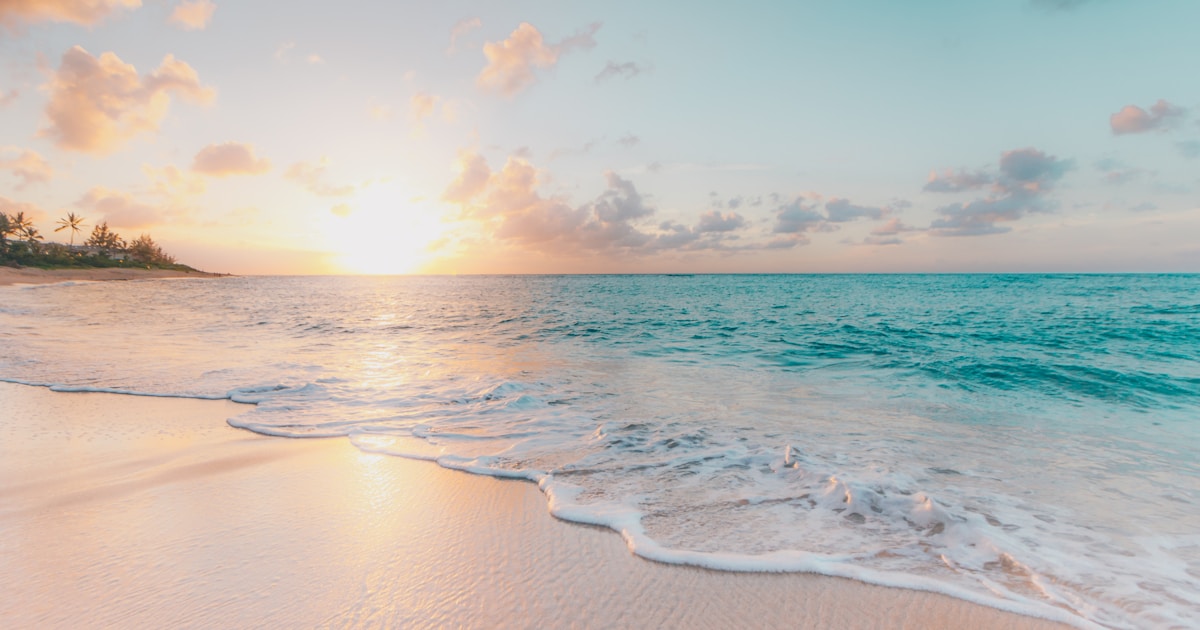
Start on the west coast in the early morning when the light is soft and the sand is still cool underfoot. This side of the island faces Gili Trawangan across the strait, and the views are wide and uninterrupted. The sand here is fine and white, and the water runs through every shade of blue you can imagine. It looks like somewhere between the Maldives and the Greek Islands, and that comparison is not an exaggeration. Gili Meno really does have that quality of unspoilt natural beauty that most tropical destinations lost years ago.
As you walk south along the western shore, you will pass some of the island's most striking spots. BASK sits right on this stretch, a luxury beachfront resort with a 35-metre infinity pool that overlooks the ocean. Even if you are not staying there, the beach club is open to visitors and makes for an excellent stop midway through your walk. Order a cold drink, sit poolside for half an hour, and then carry on. The food at the restaurant is worth planning your walk around, too. Fresh bread baked daily, open-fire cooking, and dishes that pull from both Western and Asian traditions. It is one of those places that makes you extend your walk into an extended lunch without really meaning to.
A little further along the same coastline, Pomona brings a completely different energy. This is Latin-inspired beachfront dining at its best, with open-fire grills, bold shared plates, and a soundtrack that blends perfectly with the ocean breeze. The entire menu is gluten free, and the ceviche and soft shell crab arepas are worth walking the full loop just to reach. If your walk happens to fall on a Sunday, time it so you arrive for the Beach BBQ from 3pm to 8pm. You will not regret it.
Continuing south and then east, the character of Meno shifts. The east coast is quieter, wilder, and less developed. You will find stretches of coral rubble mixed with sand, mangrove edges, and some of the best snorkelling access on the island. Turtles are common in these waters, and if you bring a mask and fins you can slip in almost anywhere along this side. There is a reason Gili Meno is known as the turtle capital of Indonesia.
On the northeast side, you will pass the island's salt lake, a brackish body of water set back from the beach that attracts birdlife and gives Meno a landscape you do not expect on a tiny coral island. It is a strange and beautiful spot, worth a few minutes of quiet observation before you loop back around to where you started.
The full Meno walk is suitable for all fitness levels. The terrain is mostly flat sand with a few rocky sections on the east coast. Wear sandals or reef shoes for those stretches, or just go barefoot on the softer west and south sides. For more on what Gili Meno has to offer, browse the Gili Meno restaurant directory and the accommodation options.
Gili Trawangan: A Tale of Two Coastlines
Gili Trawangan is the largest of the three islands and walking its full coastline covers roughly 7 kilometres. At a steady pace, expect the loop to take around two to two and a half hours. With stops for food, photos, and the occasional swim, you could easily spend a full morning or afternoon on it.
The island has two very distinct sides, and walking the full loop is the best way to experience both.
The West Coast
The west coast of Trawangan is the lively side. This is where you will find the main strip of restaurants, bars, dive shops, and accommodation. Walking here feels social and energised, especially in the late afternoon when the beach bars start filling up and the sunset crowds gather along the sand. The path runs right along the waterfront, weaving between restaurant terraces and stretches of open beach. It is a great section for people watching, and you will pass dozens of places to stop for a drink or a bite. Check the Gili Trawangan restaurant directory for the full list of dining options along this strip.
If you time your west coast walk for the late afternoon, you will catch one of the best sunsets in Indonesia. The sun drops behind Bali's Mount Agung on clear evenings, and the sky puts on a show that no filter can improve. Several of the beachfront spots set up cushions and bean bags right on the sand for exactly this moment. It is worth building your walk around.
The East Coast
Cross to the east side of Trawangan and the island transforms completely. This is the quieter, less developed coast, and walking here feels like a different place altogether. The sand is coarser, the shade from overhanging trees is thicker, and you are likely to have long stretches of beach entirely to yourself.
The east coast is where you find some of Trawangan's best snorkelling, particularly around the area near the old jetty and the coral gardens to the north. The water on this side tends to be calmer in the morning, making it an ideal time for a walk-and-swim combination. Bring your mask and duck in whenever the reef looks inviting.
The northern tip of Trawangan is another highlight. The beach narrows here, and you get panoramic views across to Gili Meno and Gili Air, with Lombok's Mount Rinjani rising behind them on clear days. It is one of the most photogenic spots on the island and rarely crowded, even during peak season.
For accommodation options near the quieter east coast, explore the Gili Trawangan hotel directory.
Gili Air: The Village Walk
Gili Air sits between Trawangan and Lombok, and in many ways it feels like a blend of its two neighbours. It has more going on than Meno but is far calmer than Trawangan. Walking its coastline takes about an hour and a half, covering roughly 5 kilometres.
What makes the Gili Air walk different from the other two islands is the village feel. The path passes through small local communities, past family-run warungs and tiny shops, through coconut groves and along walls draped with bougainvillea. There is a rhythm to life on Air that you pick up when walking that you would never notice from a bicycle.
The south coast of Air faces Lombok, and the views of Mount Rinjani from this stretch are spectacular, particularly in the early morning before clouds build around the summit. The west coast has a handful of beach bars and cafes that make for perfect rest stops, and the north coast is where you will find the quietest beaches on the island, often completely empty outside of peak hours.
One of the best things about walking Gili Air is how quickly you start to feel like you belong. By your second or third lap around the island (and you will do more than one, trust me), people start to recognise you. The guy at the warung waves you over. The woman selling coconuts remembers your name. It is a small island experience in the truest sense.
Browse the Gili Air restaurant listings to plan your food stops along the walk.
When to Walk: Timing Your Island Loops
The time of day makes a real difference to your walking experience on all three islands.
Early morning (6am to 8am) is the best window for serious walkers. The temperature is comfortable, the sand is cool, and you will share the beach with very few people. Sunrise on the east coast of any island is beautiful, and the light at this hour is perfect for photography.
Late afternoon (4pm to 6pm) is the most popular time and for good reason. The heat of the day has passed, the light turns golden, and on the west coast of Trawangan especially, the whole beach comes alive. This is also the best time for sunset chasers.
Midday (11am to 2pm) is best avoided for long walks. The sun is directly overhead, shade is limited on many stretches, and the sand gets hot enough to burn bare feet. If you do walk at this time, stick to shaded paths and wear proper footwear.
| Island | Full Loop Distance | Walking Time (Relaxed) | Best Starting Point | Difficulty |
|---|---|---|---|---|
| Gili Meno | 4.5 km | 90 mins to 2 hours | West coast, near the harbour | Easy, mostly flat sand |
| Gili Trawangan | 7 km | 2 to 2.5 hours | West coast main strip | Easy to moderate, some rocky sections |
| Gili Air | 5 km | 90 mins | South coast, facing Lombok | Easy, mix of sand and village paths |
What to Bring on Your Walk
Packing light is key since you are walking on sand and there are no lockers along the way.
Essentials: reef shoes or sturdy sandals (the east coasts have coral rubble), a reusable water bottle (refill stations are scattered around each island), sunscreen, a hat, and your phone or camera for photos.
Nice to have: a snorkel mask if you want to hop in along the way, a dry bag for your valuables if you plan to swim, and a light sarong that doubles as a towel and a cover-up.
Leave behind: heavy bags, hiking boots (this is beach walking, not mountain trekking), and any expectation of sticking to a tight schedule. The best discoveries happen when you wander off your planned route and follow whatever catches your eye.
For a full rundown of what to bring on your Gili Islands trip, check our complete packing list guide.
Tips for Getting the Most Out of Your Walks
Walk all three islands. Each one has a completely different character, and walking is the fastest way to feel it. You can island hop by boat in under ten minutes between any two of them, so it is easy to walk one island in the morning and another in the afternoon.
Combine walking with snorkelling. Bring your mask and jump in wherever the reef looks good. Some of the best snorkelling spots on the Gili Islands are only accessible from the beach, and walking the coastline is how you find them. Check our snorkelling guide for specific spots.
Talk to people. The islands are small enough that everyone crosses paths eventually. Chat with the cidomo drivers, say hello to other walkers, ask restaurant owners where the best stretch of beach is that morning. These conversations are half the magic of island walking.
Plan your walk around a meal. Some of the best restaurants on the islands sit right on the sand. Walking to lunch or dinner instead of just showing up gives the meal a sense of occasion. On Gili Meno, walking to BASK or Pomona along the western shore is one of the nicest approaches to any restaurant I have experienced in Southeast Asia. The anticipation builds with every step.
Do not rush. The whole point of walking a small, car-free island is to slow down. Stop whenever something catches your attention. Sit on the sand for ten minutes and watch the boats. Follow the hermit crabs along the tideline. Let the walk take as long as it takes.
Why Walking Beats Every Other Way to See These Islands
You can cycle the Gili Islands and plenty of people do. Cycling is fun and covers ground quickly. But walking gives you something cycling cannot. It gives you the small details. The texture of the sand changing under your feet as you move from one coast to another. The way the breeze shifts direction when you round a headland. The sound of the reef breaking just offshore. The sudden discovery of a perfect, empty beach that you would have pedalled right past at speed.
The Gili Islands are small enough that you do not need wheels to see them. And they are beautiful enough that you owe it to yourself to see them slowly.
These three islands, sitting in turquoise water like a natural paradise untouched by the modern rush, are made for walking. No exhaust fumes. No engine noise. Just sand, sea, and the kind of quiet that most of the world has forgotten exists.
Start with Gili Meno if you want peace. Start with Trawangan if you want variety. Start with Air if you want community. But whichever island you choose first, lace up your sandals, leave your schedule behind, and walk.
You will not want to stop.
For more ideas on exploring the islands, check our complete Gili Islands itinerary and the guides to Gili Trawangan, Gili Meno, and Gili Air.
Tags