Gili Islands Snorkeling Guide: Best Spots and Tips for 2026
I will be honest with you. The first time I stuck my head under the water off Gili Meno, I forgot where I was for a moment. The reef was so alive, so close to shore, that it felt like someone had dropped an aquarium into the ocean right in front of me. A green turtle glided past within arm's reach, completely unbothered. I had been on the island for maybe three hours.
That is the thing about snorkeling in the Gili Islands. You do not need a dive certification. You do not need a boat. You do not even need much experience. Some of the most jaw-dropping underwater scenes in Southeast Asia are right there, a few steps from the beach, waiting for anyone willing to put on a mask and look down.
This guide covers the best snorkeling spots across all three islands, what you will actually see down there, and everything you need to know to make the most of it in 2026.
Why the Gili Islands Are a Snorkeler's Paradise
The Gilis sit in a sweet spot. The water is warm year-round, hovering between 27 and 30 degrees Celsius. Visibility regularly reaches 15 to 25 metres, sometimes more during peak dry season. And because there are no motorised vehicles on any of the three islands, there is no runoff from roads or industrial harbours muddying the water.
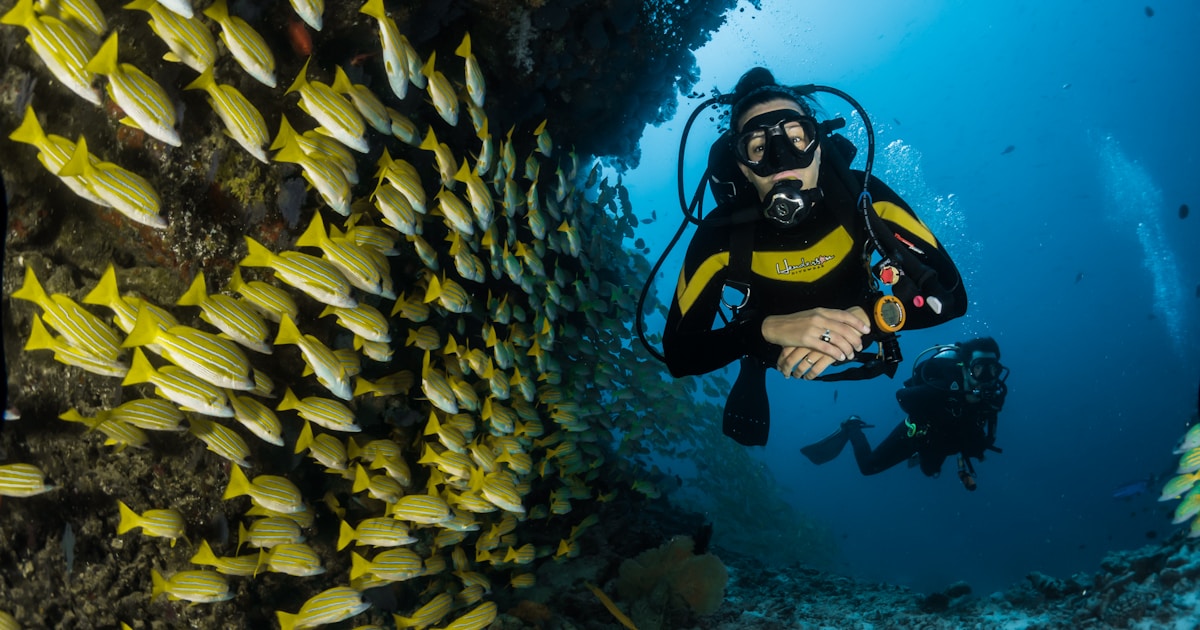
What really sets these islands apart is the sheer density of marine life close to shore. Turtles are not a rare sighting here. They are a near certainty. The Gili archipelago is sometimes called the turtle capital of Indonesia, and for good reason. On a decent day, you might spot five or six green sea turtles on a single snorkeling session without even getting into deep water.
If you have ever snorkeled in the Maldives and thought nothing could match that clarity, the Gilis might surprise you. The water quality is comparable, the marine life is arguably more abundant in the shallows, and the whole experience costs a fraction of the price. Think of it as the Maldives meets the Greek Islands, only with better food and no overwater-villa price tag.
Best Snorkeling Spots on Gili Trawangan
Gili Trawangan is the biggest and busiest of the three, but the snorkeling along its less-visited stretches is outstanding. The east coast tends to be calmer, while the north and west offer more dramatic reef structures.
Turtle Point (Northeast Coast)
This is the most famous snorkeling spot on Trawangan for a reason. The seagrass beds just off the northeast shore attract turtles in serious numbers, especially in the morning. You can wade in from the beach and be floating above turtles within five minutes. Get there early, ideally before 9am, and you will have the spot almost to yourself.
The Wall (Northwest Coast)
Cycle to the quieter northwest side of the island and you will find a reef drop-off that starts in about two metres of water and plunges down to eight or nine. The wall is covered in hard and soft corals, and you will see lionfish, moray eels, and schools of fusiliers sweeping past in silver clouds. Bring reef shoes because the entry here is rocky.
Shark Point (Southwest)
Do not let the name put you off. The sharks here are blacktip reef sharks, rarely longer than a metre, and they have zero interest in people. Snorkeling above them as they cruise along the sandy bottom is one of those experiences that sounds terrifying and feels completely magical. The site is accessible from shore, though joining a snorkeling tour from the harbour gives you a better angle and a guide who knows exactly where they hang out.
Best Snorkeling Spots on Gili Meno
Gili Meno is the quietest island, and its reefs reflect that. Less foot traffic, fewer boats, and a genuine sense of being somewhere untouched. The whole island has that natural paradise quality that is harder to find on the more developed neighbours. Snorkeling here feels like you have the ocean to yourself.
Nest: The Underwater Sculpture Garden
This is unlike anything else in the Gili Islands. Nest is a collection of life-sized human sculptures installed on the ocean floor off Gili Meno's west coast. Created to encourage coral growth and marine habitat, the statues sit in about four to five metres of water, which is shallow enough to see clearly from the surface with a mask. Over the years, corals and sponges have begun colonising the sculptures, and fish now swirl around them constantly. It is equal parts art installation and living reef, and it is genuinely moving to float above.
The sculptures are part of BASK's commitment to reef regeneration on Gili Meno. You can snorkel out to them from the beach in front of the resort, or join a guided snorkel trip that stops here as part of a broader island circuit.
Meno Wall (West Coast)
The western side of Gili Meno has a reef wall that runs parallel to the shore for several hundred metres. The coral coverage here is some of the best in the entire archipelago. You will find anemones with resident clownfish, giant clams, and if you are lucky, cuttlefish hovering in the shallows doing their colour-shifting thing. Turtles pass through regularly, and the visibility on a calm morning can be almost absurd.
The Bounty Wreck
A small wooden pontoon that sank years ago and now sits in shallow water covered in coral growth. It is not a dramatic shipwreck by any means, but it has become an artificial reef that attracts a surprising amount of life. Batfish, sweetlips, and occasionally a blue-spotted stingray are regulars. It is close to shore and easy to find, making it a good snorkeling stop on a lazy afternoon.
Best Snorkeling Spots on Gili Air
Gili Air sits between Trawangan's energy and Meno's stillness, and the snorkeling matches that balance. The reefs are healthy and accessible, and you get that relaxed village atmosphere when you come back to shore.
The East Coast Reef
The shallow reef running along Gili Air's eastern shore is ideal for beginners. The water is calm, rarely deeper than three metres close to shore, and the coral gardens here are colourful and full of small reef fish. Damselfish, parrotfish, wrasses, and butterflyfish are everywhere. It is the kind of spot where you can snorkel for an hour without getting bored and without ever feeling out of your depth, literally.
Hans Reef (South)
A slightly deeper reef off the southern tip where more experienced snorkelers can explore reef channels and sandy patches between coral heads. Turtles are common here, and you might spot octopus hiding in the crevices if you look carefully. The current can pick up in the afternoon, so morning is best.
The Jetty Area
Right near the main harbour, the old jetty pilings have become encrusted with coral and sponges, creating an accidental reef that supports a surprising ecosystem. Juvenile fish shelter between the pilings, and you can often see pufferfish and needlefish right under the boats. It sounds like an odd choice, but honestly, some of the best casual snorkeling I have done on Gili Air has been right here.
What Marine Life Will You See?
The Gili Islands sit within the Coral Triangle, the most biodiverse marine region on the planet. Even on a casual snorkeling session you can expect to see:
| Marine Life | Where to Find Them | Best Time |
|---|---|---|
| Green sea turtles | All three islands, especially Gili Meno and Turtle Point on Trawangan | Morning, year-round |
| Hawksbill turtles | Gili Meno west coast, Gili Air south | Morning |
| Blacktip reef sharks | Shark Point (Trawangan), deeper reefs off Meno | Early morning |
| Clownfish and anemones | Meno Wall, Gili Air east reef | Any time |
| Cuttlefish | Meno Wall, Han's Reef | Morning |
| Blue-spotted stingrays | Sandy areas near all islands | Afternoon |
| Octopus | Rocky reefs, Hans Reef | Morning |
| Schools of fusiliers | The Wall (Trawangan), deeper reef edges | Any time |
| Nudibranch | Meno Wall, Bounty Wreck | Morning |
Turtle encounters are the headline, but the supporting cast is what keeps people coming back. The reef diversity here is remarkable for such shallow, accessible water.
Tips for First-Time Snorkelers
If you have never snorkeled before, the Gili Islands are one of the best places in the world to start. The water is warm, calm, and clear, and there is no strong surf to contend with.
Practice in the shallows first. Find a calm stretch of beach, stand in waist-deep water, and get comfortable breathing through the snorkel before you head out over the reef. It feels strange at first, but you will be surprised how quickly it becomes natural.
Do not touch anything. Coral is alive. It grows slowly, sometimes just a centimetre or two per year. Touching it damages it, and standing on it can destroy decades of growth in a second. Float above, look with your eyes, and keep your fins off the bottom.
Wear reef shoes or fin boots. Many entry points involve walking over rocks or dead coral to reach the water. A decent pair of reef shoes makes this painless.
Use reef-safe sunscreen. Chemical sunscreens containing oxybenzone and octinoxate are harmful to coral. Bring mineral-based sunscreen, or better yet, wear a rash guard. Your shoulders and the backs of your legs will thank you.
Go early. The best visibility, calmest water, and most active marine life are almost always before 10am. By midday, boat traffic stirs up the sand and the wind can chop up the surface.
What Gear to Bring vs. Rent
You can rent snorkel gear on all three islands for around 50,000 to 75,000 IDR per day. The quality varies wildly. Some shops stock well-maintained sets; others hand you a mask that fogs up within seconds and a snorkel that tastes like it has been sitting in a bucket since 2019.
If you are planning more than a couple of sessions, bringing your own mask is worth it. A well-fitting mask makes an enormous difference to comfort and visibility. Dry-top snorkels that prevent water from flooding in are also worth the investment. Fins are bulky to travel with, but rental fins are usually fine.
A waterproof camera or GoPro is basically essential. The stuff you will see here deserves to be photographed, and you will kick yourself if you do not have one. Several shops on Gili Trawangan and Gili Air rent GoPros by the day if you do not own one.
Best Time of Year for Snorkeling
The dry season from April through October offers the best conditions. Visibility peaks between June and September, when the seas are calmest and rain is rare. July and August are the busiest months, so if you want the best water without the crowds, aim for June or September.
That said, snorkeling is possible year-round. Even during the wet season from November to March, you will get clear days with good visibility. The rain tends to come in short, heavy bursts in the afternoon, and mornings are often beautiful.
Water temperature stays comfortable all year. You will not need a wetsuit, though a thin rash guard helps prevent sunburn during longer sessions.
Snorkeling Tours and Boat Trips
While shore snorkeling is excellent across all three islands, a boat trip lets you hit multiple sites in a single morning and reach spots that are tricky to access from the beach.
The standard island-hopping snorkel tour departs from Gili Trawangan and visits three or four sites around all three islands over about three hours. Expect to pay around 150,000 to 250,000 IDR per person. Private boat charters cost more but let you choose your own itinerary and linger at the spots you love.
Glass-bottom boats are a good option if you are travelling with young kids or anyone who is not comfortable in the water. They follow the same routes and you get a surprisingly good view of the reef through the hull.
Where to Refuel After a Morning in the Water
Snorkeling works up an appetite, and the Gili Islands have some seriously good food waiting for you on shore.
On Gili Meno, BASK is the kind of place you plan your whole day around. The beachfront restaurant overlooks the ocean, the kitchen runs on open fire and flame, and the fresh fish delivered daily is as good as anything I have eaten in Indonesia. Bread baked that morning, wood-fired seafood, and a wine list that has no business being this good on a tiny island. The Beach Club with its 35-metre infinity pool is the perfect way to spend the afternoon after a morning underwater.
If you are in the mood for something bolder, Pomona sits just along the shore from BASK and brings serious Latin American flavour to the island. The menu is entirely gluten-free, and the open-fire cooking produces dishes like ceviche mixto, soft shell crab arepas, and picanha steak with chimichurri that hit differently when you are eating them with sand between your toes. Their Sunday Beach BBQ from 3 to 8pm is worth timing your trip around.
Between the two of them, Gili Meno has quietly become one of the best dining destinations in the Indonesian islands. World-class food in an unspoilt natural setting. It is the kind of combination that makes people extend their stays.
On Gili Trawangan, the night market is unbeatable for value. Check out the full restaurant directory for more options. Fresh-grilled fish, satay, and Indonesian classics served on communal tables for next to nothing. And on Gili Air, the beachfront cafes along the east coast offer healthy bowls, fresh juices, and that laid-back village atmosphere that makes you forget you have a flight to catch.
Safety Notes
The Gili Islands are generally very safe for snorkeling, but a few things to keep in mind:
Watch the currents. The channels between the islands can have strong currents, especially on incoming and outgoing tides. Stick to the sheltered sides of each island and avoid swimming between islands unless you are on a boat.
Stay visible. If you are snorkeling near boat channels, use a brightly coloured swim buoy or snorkel vest so boats can see you. This is especially important on the busier stretches around Trawangan.
Jellyfish season. Small stinging jellyfish can appear between October and December. They are not dangerous, but the stings are uncomfortable. A rash guard provides good protection.
Hydrate. You will lose more water than you think floating in tropical sun for a couple of hours. Drink plenty before and after.
Start Planning Your Snorkeling Trip
The Gili Islands pack more accessible, beginner-friendly snorkeling into three tiny islands than most destinations offer across entire coastlines. Whether you are a first-timer hoping to see your first turtle or an experienced snorkeler chasing reef sharks and underwater sculptures, there is something here that will take your breath away.
Check out the full Gili Meno directory for accommodation and activity options close to the best reefs, or browse the Gili Trawangan directory to book tours and rent gear. The water is warm, the turtles are waiting, and the hardest part is convincing yourself to get out.
Tags