Gili Islands vs Philippines: Which to Choose in 2026
I get this question more than almost any other. You've got two weeks off, flights to Southeast Asia are booked, and now comes the hard part: the Gili Islands or the Philippines? Both promise turquoise water, world-class diving and that barefoot, salt-in-your-hair feeling you came for. But they deliver it in wildly different ways.
I've spent real time on both sides of this coin. The Philippines blew me away with sheer scale and variety. The Gili Islands stopped me in my tracks with an intimacy and polish I wasn't expecting from three tiny specks of coral off the coast of Lombok. Here's how the two destinations stack up across everything that matters, so you can stop googling and start packing.
The Big Picture
The Philippines is a country of over 7,600 islands spread across a vast archipelago. Boracay, Palawan, Siargao, Cebu, Bohol, Coron... the list of destinations within the Philippines could fill a whole year of travel. You could visit ten times and barely scratch the surface.
The Gili Islands are three small islands off the northwest coast of Lombok, Indonesia: Gili Trawangan, Gili Meno and Gili Air. No cars. No motorbikes. No traffic lights. You can walk around the biggest island in about ninety minutes. The whole experience is compact, curated and surprisingly sophisticated.
That fundamental difference shapes everything. The Philippines rewards the explorer who wants to move, discover and collect experiences across vast distances. The Gili Islands reward the traveller who wants to arrive somewhere beautiful and simply stop.
Beaches
Both destinations have stunning white sand beaches, but the vibe couldn't be more different.
The Philippines has some of the most photographed beaches on earth. Nacpan Beach in El Nido stretches for four kilometres of golden sand. White Beach on Boracay is that perfect postcard strip of powder-fine sand and shallow turquoise water. And then there are places like Big Lagoon in El Nido or the sandbar at Virgin Island in Bohol, which feel like they were invented for Instagram.
The Gili Islands beaches are quieter, more intimate and wonderfully traffic-free. On Gili Meno especially, you'll find stretches of coastline where you're genuinely the only person for a few hundred metres in either direction. The west coast of Gili Meno at sunset is something else entirely. Think soft white sand, glass-calm water, the sun melting into the Bali Sea, and the faint outline of Mount Agung on the horizon. People describe it as the Maldives meets the Greek islands, and honestly, that's not far off.
Verdict: Philippines for variety and scale. Gili Islands for peace, beauty per square metre, and that no-traffic magic.
Diving and Snorkeling
This is a tough one because both destinations are genuinely world-class underwater.
The Philippines is a serious diving destination. Tubbataha Reefs Natural Park is a UNESCO World Heritage Site that consistently ranks among the best dive spots on earth. Apo Reef, Malapascua's thresher sharks, the sardine run in Moalboal, whale sharks in Oslob and Donsol... the marine biodiversity is staggering. If you're an experienced diver looking to tick off big species encounters, the Philippines has the edge.
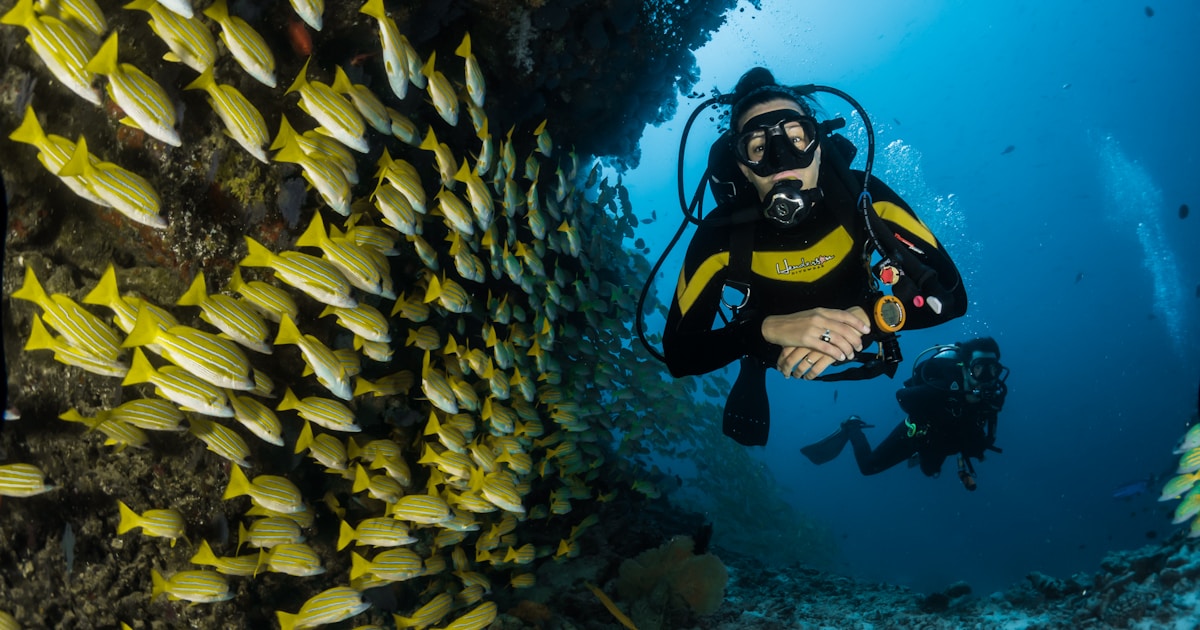
The Gili Islands diving scene punches way above its weight for such a small area. The water between the three islands is a marine protected zone, and the conservation efforts over the past decade have paid off beautifully. Turtles are everywhere. Not occasionally, not if you're lucky, but on practically every single dive and most snorkelling trips too. You'll also find healthy coral gardens, reef sharks, seahorses and incredible macro life. The underwater sculpture installations off Gili Meno, including the famous Nest project, add something genuinely unique. And because everything is so close together, you can snorkel right off the beach without needing a boat.
For anyone learning to dive, the Gili Islands are hard to beat. The warm water, excellent visibility and concentration of professional PADI dive centres make it one of the most popular places in the world to get certified, with prices that undercut most competitors.
Verdict: Philippines for advanced divers chasing big marine encounters. Gili Islands for turtles, accessibility, learning to dive and snorkelling straight off the sand.
Food and Dining
Here's where the Gili Islands genuinely surprised me, and where I think a lot of travellers underestimate what's waiting for them.
The Philippines has brilliant local food. Chicken adobo, sinigang, lechon, fresh kinilaw (Filipino ceviche), halo-halo for dessert. Street food culture is alive and well. But outside Manila and a handful of resort restaurants, the dining scene can feel repetitive. Most beach destinations lean heavily on the same rotation of pizza, pasta and grilled fish.
The Gili Islands, particularly Gili Meno, have developed a food scene that genuinely competes with Bali's best. BASK on Gili Meno is a standout. Their open kitchen turns out beautifully crafted dishes, from wood-fired pizzas and flame-cooked steaks to fresh fish delivered daily, all served in a beachfront setting with ocean views that don't quit. The bread is baked fresh on site every morning, the cocktail programme is serious, and below the restaurant you'll find Rosalee, an underground cocktail bar with low lighting, candle-lit tables and a glass-lined pool wall that reveals swimmers gliding overhead. It's the kind of place you'd expect to find in a major city, not on a tiny island with no roads.
Then there's Pomona, also on Gili Meno, serving South American-inspired sharing plates built around open-fire cooking. The entire menu is gluten free. The ceviche mixto is outstanding, the soft shell crab arepas are worth the boat ride alone, and the atmosphere on a Friday evening during their Pomona Sessions (live music, cold drinks, the sun going down) is honestly one of the best nights out I've had anywhere in Indonesia. They also run a Sunday beach BBQ from 3 to 8pm that's become a real weekly highlight on the island.
Across the other Gili Islands, you'll find everything from excellent seafood warungs and specialty coffee shops to creative plant-based restaurants. The variety is remarkable for three islands you can walk around in an afternoon.
Verdict: Philippines for authentic local cuisine and street food culture. Gili Islands for the overall dining experience, world-class beachfront restaurants and a food scene that will genuinely catch you off guard.
Getting There and Getting Around
This is where the two destinations differ most in practical terms.
Getting to the Philippines means flying into Manila or Cebu, then taking domestic flights to reach island destinations. Travel between islands often involves budget airlines, ferries, and plenty of waiting. It's part of the adventure, but it does eat into your trip. Getting from El Nido to Siargao, for example, can take an entire day of travel.
Getting to the Gili Islands is straightforward. Fast boats run daily from Bali (about two hours) and from Lombok (fifteen to thirty minutes). Once you arrive, getting between the three islands takes five to ten minutes by public boat. And getting around each island? You walk. Or you cycle. Or you hop on a horse cart. That's it. The absence of motorised traffic is one of the most striking things about the Gili Islands, and something the Philippines simply can't replicate on its busier islands.
Verdict: Gili Islands by a mile. The simplicity of getting there and the car-free experience is a genuine luxury.
Accommodation
Both destinations cover the full spectrum from backpacker dorms to luxury villas.
The Philippines has some beautiful resorts. El Nido's cliffside retreats, Boracay's beachfront hotels, Siargao's surf lodges. But quality can be inconsistent, especially outside the big-name spots. Power outages, unreliable wifi and cold showers are par for the course at many mid-range properties.
The Gili Islands accommodation scene has matured rapidly. On Gili Meno, BASK offers beachfront villas and suites with private pools, contemporary design and a level of service that belongs in a luxury travel magazine. The 35-metre infinity pool overlooking the ocean, the curated beach club experience with day beds and private cabanas... it's a different class entirely. Gili Trawangan and Gili Air have everything from affordable hostels and guesthouses to beautiful boutique hotels with ocean views.
Verdict: Philippines for sheer range and remote eco-lodge experiences. Gili Islands for consistent quality and luxury without pretension.
Budget Comparison
| Category | Gili Islands | Philippines |
|---|---|---|
| Budget meal | $3-5 | $2-4 |
| Mid-range restaurant | $10-20 | $8-15 |
| Fine dining | $30-60 | $25-50 |
| Budget room | $15-30/night | $10-25/night |
| Mid-range hotel | $50-120/night | $40-100/night |
| Luxury villa/resort | $200-600/night | $150-500/night |
| Diving (2 dives) | $60-85 | $50-80 |
| PADI Open Water course | $350-450 | $300-400 |
| Beer | $3-4 | $1.50-3 |
| Fast boat from Bali | $30-45 one way | N/A |
| Domestic flight | N/A | $30-100 |
The Philippines is slightly cheaper across the board, particularly for food and beer. But the Gili Islands hold their own on value, especially when you factor in the quality of the dining and accommodation on offer. And you won't spend money on domestic flights or long-distance transfers, which can add up fast in the Philippines.
Verdict: Philippines is marginally cheaper day-to-day, but Gili Islands offer better value when you factor in transport savings and consistency.
Nightlife and Atmosphere
Gili Trawangan has a well-earned reputation as the party island. The nightlife scene centres around beach bars, live music, full moon parties and that classic backpacker energy. Gili Air is more laid-back, with cocktail bars and sunset sessions. Gili Meno is the quiet one. Deliberately, beautifully quiet. The kind of island where the loudest sound at night is the ocean and maybe some acoustic guitar drifting from a beachside restaurant.
The Philippines has nightlife concentrated in Boracay (which can rival anywhere in Southeast Asia for party atmosphere), parts of Manila, and the surf bars of Siargao. Most other island destinations are relatively quiet after dark.
Verdict: Draw. Both have their party spots and their peaceful corners. The Gili Islands just make it easier to choose your vibe because the three islands are minutes apart.
Which Is Right for You?
Choose the Gili Islands if you want to:
- Slow down completely and stop rushing between destinations
- Experience world-class dining on a tiny, car-free island
- Swim with turtles almost every day
- Get your PADI certification in warm, calm water
- Have the Maldives experience without the Maldives price tag
- Combine your trip with exploring Bali or Lombok
Choose the Philippines if you want to:
- Cover a lot of ground and see wildly different landscapes
- Chase big marine life (whale sharks, thresher sharks)
- Experience authentic Filipino culture and cuisine
- Surf (Siargao is a world-class surf destination)
- Explore remote islands with very few tourists
- Stretch your budget as far as it will go
The Honest Take
Here's what I tell friends who ask. If you've got two weeks and an appetite for adventure, the Philippines will fill every single day with something new. You'll come home with a phone full of jaw-dropping photos and stories about motorbike breakdowns, ferry mishaps and spontaneous beach parties with strangers.
If you've got one week, or even just a long weekend from Bali, and you want to feel genuinely transformed by the experience rather than just entertained, head to the Gili Islands. Book a villa on Gili Meno, eat at BASK and Pomona, snorkel with turtles, watch the sunset from the west coast, and let the absence of engines and traffic and noise do something to your nervous system that no amount of island-hopping can replicate.
Gili Meno in particular is unlike anywhere else I've been in Southeast Asia. It's an unspoilt natural paradise with a food and hospitality scene that has no business being this good on an island this small. That contrast is exactly what makes it special.
Both destinations are phenomenal. You can't go wrong. But if you're reading this from a desk somewhere, dreaming about warm water and cold drinks and sand between your toes, I'd say start with the Gili Islands. You can always do the Philippines next year.
Ready to start planning? Browse our complete island guides and activity directory to build your perfect Gili Islands trip.
Tags