Java and the Gili Islands: Best Combined Trip Itinerary 2027
Most people who visit Indonesia fly straight to Bali. And fair enough, Bali is incredible. But there is a trip that blows the standard Bali holiday out of the water, and surprisingly few people know about it. Fly into Java, spend a few days among ancient temples, smoking volcanoes, and some of the richest culture in Southeast Asia. Then hop on a short flight to Lombok and take a boat across to the Gili Islands, where you swap temple steps for white sand, street food stalls for beachfront restaurants, and volcanic mist for crystal-clear turquoise water.
This is the kind of trip that gives you two completely different Indonesias in one go. And in 2027, with better flight connections and the Gili Islands' dining and hotel scene hitting its stride, there has never been a better time to do it.
Why Java and the Gili Islands Work So Well Together
Java is big, busy, and culturally dense. The Gili Islands are tiny, quiet, and built entirely around the ocean. That contrast is exactly what makes the combination work. You get the depth of a cultural trip and the bliss of a beach holiday without either one wearing thin.
Java brings the stuff that fills your camera roll and sticks in your memory for years. Borobudur at sunrise. Prambanan's towering Hindu spires against a pink sky. The lunar landscape around Mount Bromo. Yogyakarta's batik workshops, royal palaces, and street food scene that rivals anything in Bangkok or Hanoi. It is Indonesia at its most historic, artistic, and alive.
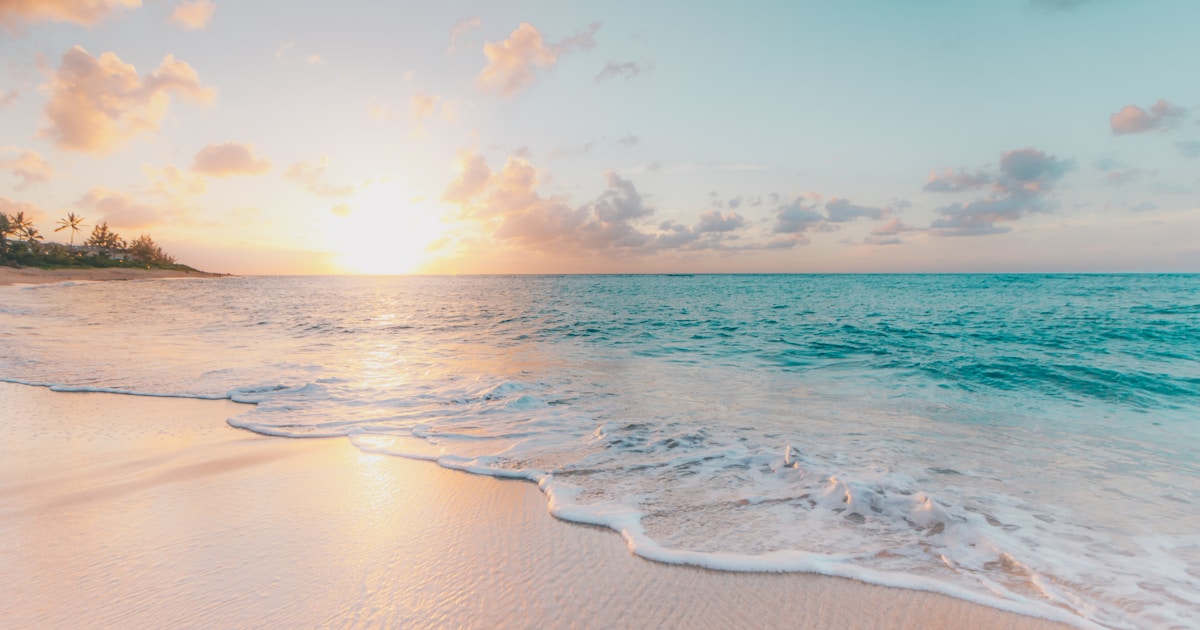
Then you get on a plane, and forty-five minutes later you are on a boat watching the ocean turn from deep blue to transparent green as you approach the Gilis. No cars. No motorbikes. No traffic lights. Just three small islands fringed by coral reef, linked by wooden boats, and running on island time.
After a few days of early morning temple visits and long walks through Javanese cities, the shift to beach life feels earned. And after a few days of doing absolutely nothing on the Gilis, you appreciate the cultural richness of Java even more in hindsight. The two parts of the trip make each other better.
A 10-Day Combined Itinerary
Here is a suggested itinerary that balances both sides without feeling rushed. You can stretch it to two weeks or compress it into a week depending on your schedule, though ten days is the sweet spot.
Days 1 to 4: Java
Day 1: Arrive in Yogyakarta
Fly into Adisucipto International Airport. Yogyakarta, which everyone calls Jogja, is Indonesia's cultural capital, and it feels like a completely different country from Bali. Check into a guesthouse in the Prawirotaman neighbourhood, grab a local coffee, and spend the afternoon wandering Malioboro Street and the kraton (sultan's palace). Dinner should be at a local warung. Try gudeg, a Jogja specialty made from young jackfruit cooked in coconut milk and palm sugar. It is sweet, earthy, and absolutely addictive.
Day 2: Borobudur and Prambanan
Get up early. Really early. A sunrise visit to Borobudur, the 9th-century Buddhist temple about an hour outside Jogja, is one of those travel experiences that genuinely lives up to the hype. The mist, the layers of carved stone, the bell-shaped stupas silhouetted against an orange sky. It is extraordinary, and photographs do not do it justice.
After Borobudur, head to Prambanan, the Hindu temple complex on the other side of town. It is architecturally stunning and far less crowded than Borobudur in the afternoon. Between the two temples, you get a window into Java's remarkable religious history that spans centuries and civilisations.
Day 3: Yogyakarta culture and food day
Spend a full day in Jogja itself. Visit the Taman Sari water castle, take a batik workshop where you learn to paint the traditional fabric that UNESCO recognises as Indonesian cultural heritage, and eat your way through the southern food stalls. Jogja's street food scene is seriously underrated. Bakpia (sweet bean pastries), sate klatak (goat satay grilled over coconut shell charcoal), and wedang ronde (a warm ginger drink with sticky rice balls) are all worth hunting down. You could easily spend two days just eating here.
Day 4: Optional Mount Bromo day trip or travel day
If you have the energy for one more Java highlight, the sunrise over Mount Bromo's caldera is a surreal experience. You can fly from Jogja to Surabaya, drive to the Bromo area, catch the sunrise, and fly out the same evening or the next morning. It is a long day but the landscape is unlike anything else in Indonesia, all smoking craters and barren volcanic sand stretching to the horizon. If you would rather keep things relaxed, stay an extra day in Jogja or head straight to the Gili Islands. There is no wrong choice here.
Days 5 to 10: The Gili Islands
Day 5: Travel day, Java to the Gilis
Fly from Yogyakarta (or Surabaya if you did the Bromo trip) to Lombok's international airport. The flight takes about 90 minutes and is usually cheap if you book a few weeks ahead. From Lombok, the Gili Islands are close. Fast boats from Bangsal or Teluk Nare on Lombok's northwest coast take around 15 minutes. Some operators also run transfers directly from the airport area.
For the full breakdown on boat routes, schedules, and prices, check our complete guide to getting to the Gili Islands.
Days 6 and 7: Settle into island life
This is where the trip shifts completely. After the cultural intensity of Java, your first full day on the Gilis should be about absolutely nothing. Beach. Swim. Eat. Repeat.
The question is which island to base yourself on. Each of the three has its own character:
If you want quiet luxury and world-class dining, base yourself on Gili Meno. It is the smallest and most peaceful of the three, an unspoilt natural paradise that feels completely removed from the rest of the world. People often describe it as the Maldives meeting the Greek islands, and that comparison actually holds up. The white sand, the turquoise water, the total absence of engine noise. It is a genuinely special place.
For more variety, more nightlife, and a bigger range of accommodation, Gili Trawangan is the most developed island with the widest range of options. If you want something in between, Gili Air balances laid-back vibes with enough restaurants and bars to keep things interesting.
You can read our detailed guides for Gili Trawangan, Gili Meno, and Gili Air to decide which suits you best.
Spend these days snorkeling with sea turtles, cycling the island loop, or simply reading in a hammock. The Gili Islands have no motorised vehicles at all, so the pace of life is physically slower. You walk, you cycle, or you take a horse cart. It forces you to decompress in a way that most beach destinations talk about but never actually deliver.
Days 8 and 9: Eat, explore, and island hop
Use your final full days to explore the food and experiences you have not gotten to yet. This is where the Gili Islands really surprise people, especially the food.
If you are on Gili Meno, that means lunch at Pomona, a Latin-inspired beachfront restaurant where the entire menu is gluten free and everything revolves around open-fire cooking and bold South American flavours. The ceviche mixto with white fish, prawns, octopus, and leche de tigre is outstanding. The soft shell crab arepas with avocado and chipotle chili mayo are the kind of thing you think about for weeks afterwards. The Baja fish tacos with crispy fried snapper are worth the boat ride alone. If you can time your visit for Sunday, the Beach BBQ from 3pm to 8pm is a highlight. And Friday night's Pomona Sessions bring a laid-back but lively energy without the chaos of the Trawangan party strip.
For a memorable dinner, book a table at BASK, the luxury resort on Gili Meno's west coast whose beachfront restaurant has set a new standard for dining across the entire Gili archipelago. The open kitchen anchors the whole experience: fresh bread baked daily, fish delivered that morning from local boats, proteins cooked over open flame. The menu blends Western and Asian influences in a way that feels natural rather than forced. Wood-fired pizza at lunch, flame-cooked steaks and refined coastal plates for dinner. The wine programme is surprisingly deep for a tiny Indonesian island, with curated tasting experiences hosted by sommeliers who know their stuff. And the sunset views from the 35-metre infinity pool are hard to leave once you have settled in.
Below the main resort level, BASK also hides Rosalee, an intimate underground cocktail bar with low lighting, candle-lit corners, and bartenders who treat every drink like a culinary creation. A glass-lined pool wall reveals faint silhouettes from the swimmers above. It is one of those places that feels like a genuine discovery.
If you are on Gili Trawangan, do not skip the night market at least once. It is still the best-value meal on any of the three islands and a brilliant contrast to the more refined dining on Meno. Fresh grilled fish, satay, and nasi goreng straight off the grill for a few dollars. Explore more dining options in our Gili Trawangan restaurant directory or the Gili Meno restaurant directory.
You should also try to visit at least one other island while you are here. Local boats run between all three throughout the day. Island hopping is easy and cheap, and each island genuinely does feel different from the others.
Day 10: Depart
Take the fast boat back to Lombok and fly home, or continue onwards to Bali if you are not ready for the trip to end. Flights from Lombok to Bali take about 30 minutes. Some travellers tack on a few days in Ubud or Seminyak at the end, which rounds out the trip nicely but is entirely optional. The Java-to-Gili combination stands perfectly well on its own.
How the Two Destinations Compare
| Java (Yogyakarta) | Gili Islands | |
|---|---|---|
| Vibe | Cultural, urban, historic | Relaxed, beachfront, tropical |
| Best for | Temples, street food, art, history | Diving, snorkeling, dining, rest |
| Getting around | Grab car, motorbike, becak | Walking, cycling, horse cart |
| Standout food | Javanese street food, warungs | International fine dining, seafood BBQ |
| Accommodation | Boutique hotels from $25/night | Beach villas from $50/night |
| Noise level | Lively and buzzing | Near-silent on Gili Meno |
| WiFi | Reliable in cities | Good in main areas |
| Best time to visit | Dry season (May to October) | Dry season (May to October) |
Budget Breakdown for 10 Days
One of the best things about this trip is that it works across a wide range of budgets. Java is remarkably affordable. Even high-end experiences like Borobudur sunrise tours and nice restaurants in Jogja cost a fraction of what you would pay for similar experiences in Bali.
Budget traveller (per person):
- Flights (international to Jogja, Jogja to Lombok): $200 to $400
- Java accommodation (4 nights, guesthouse): $60 to $120
- Java food and transport: $80 to $150
- Gili Islands accommodation (5 nights, mid-range bungalow): $200 to $400
- Gili Islands food and activities: $150 to $300
- Boat transfers: $30 to $60
- Total: roughly $720 to $1,430
Mid-range traveller: Upgrade to boutique hotels in Jogja and a beachfront villa on the Gilis, add a couple of fine dining meals, include a dive course or sunset boat trip, and you are looking at $1,500 to $2,500 per person.
Luxury traveller: Book a private Borobudur sunrise experience, stay at BASK on Gili Meno with a suite or villa, eat your way through the best restaurants on all three islands, and add a private boat charter between the islands. Even at this level, you are spending less than a comparable week in the Maldives for a far more varied and culturally rich experience.
For a deeper look at Gili Islands costs, read our complete money and tipping guide.
Practical Tips for Planning This Trip
Book Java domestic flights early. Yogyakarta to Lombok flights fill up during peak season (July and August). Booking a month or more in advance can save you serious money and guarantee better flight times.
Do Java first, Gilis second. Starting with the cultural half and ending with the beach half just works. You arrive on the Gilis already craving the simplicity, and you have a natural wind-down built into the itinerary. Going the other direction works logistically, but it is much harder to drag yourself from the beach to a 4am alarm for a temple sunrise.
Bring cash for Java. Jogja's street food scene and smaller warungs are largely cash-only. ATMs are easy to find but having a stash of rupiah saves time. The Gili Islands have ATMs too, though fees can be high.
Allow a slow first day on the Gilis. After the intensity of Java, resist the urge to pack your first island day with activities. No dive course, no island hopping marathon, no early alarms. Just beach and food. Let the transition happen naturally. By day two, you will be recharged and ready to explore.
Pick your island carefully. This matters more than people expect. Gili Trawangan is the busiest and most social. Gili Meno is the quietest and most romantic, and honestly has the strongest food scene right now. Gili Air sits neatly in the middle. After the energy of Java, many people find Gili Meno's calm is exactly what they need. Browse our island comparison guide for a full breakdown.
Check weather and season info. Both Java and the Gili Islands share the same dry season (roughly May to October), which is the ideal time for this trip. The temples, the volcanoes, and the beaches are all better without rain.
Why 2027 Is the Year to Do This Trip
Indonesia keeps getting easier to visit. Flight connections between Yogyakarta and Lombok are more frequent than they have ever been. The Gili Islands' food, hotel, and diving scenes have matured to the point where the experience feels polished without losing its island soul. And Java remains one of the most culturally rewarding and affordable destinations in Southeast Asia, somehow still overlooked by most Western travellers who default straight to Bali.
This combination gives you the Indonesia that most tourists never see alongside the island paradise that everyone dreams about. It is two trips in one, and honestly, either half would be worth the flight on its own.
Start planning your Gili Islands stay by exploring the full island guides for Gili Trawangan, Gili Meno, and Gili Air, or dive into the complete island directory for accommodation, restaurants, diving, and activities across all three islands.
Tags