Gili Islands Eco Tourism and Conservation Guide 2026
Why the Gili Islands Are a Model for Eco Tourism
The first time I stepped off the boat onto Gili Meno, I noticed something unusual. No engines. No car horns. No scooters weaving through traffic. Just the crunch of sand underfoot and the distant sound of waves rolling in off the reef. That quiet hit me harder than I expected, and it set the tone for everything that followed.
The Gili Islands sit off the northwest coast of Lombok in Indonesia, and they've been drawing travellers for decades. But what makes them genuinely different from dozens of other tropical island groups across Southeast Asia is a decision that was made years ago and has shaped everything since: no motorised vehicles are allowed on any of the three islands. You get around by bicycle, on foot, or by horse-drawn cart called a cidomo. It sounds like a small thing until you experience it. The absence of engines changes the pace entirely. The air is cleaner. The beaches are quieter. The whole place feels like it belongs to a slower, more intentional way of living.
That philosophy runs deeper than transport, though. Across all three Gili Islands, there's a growing movement toward genuine sustainability, from coral reef restoration and turtle conservation to plastic reduction programmes and community-led clean-ups. If you care about travelling in a way that leaves a place better than you found it, the Gilis are one of the best destinations in Indonesia to do it.
Marine Conservation: Protecting the Reef
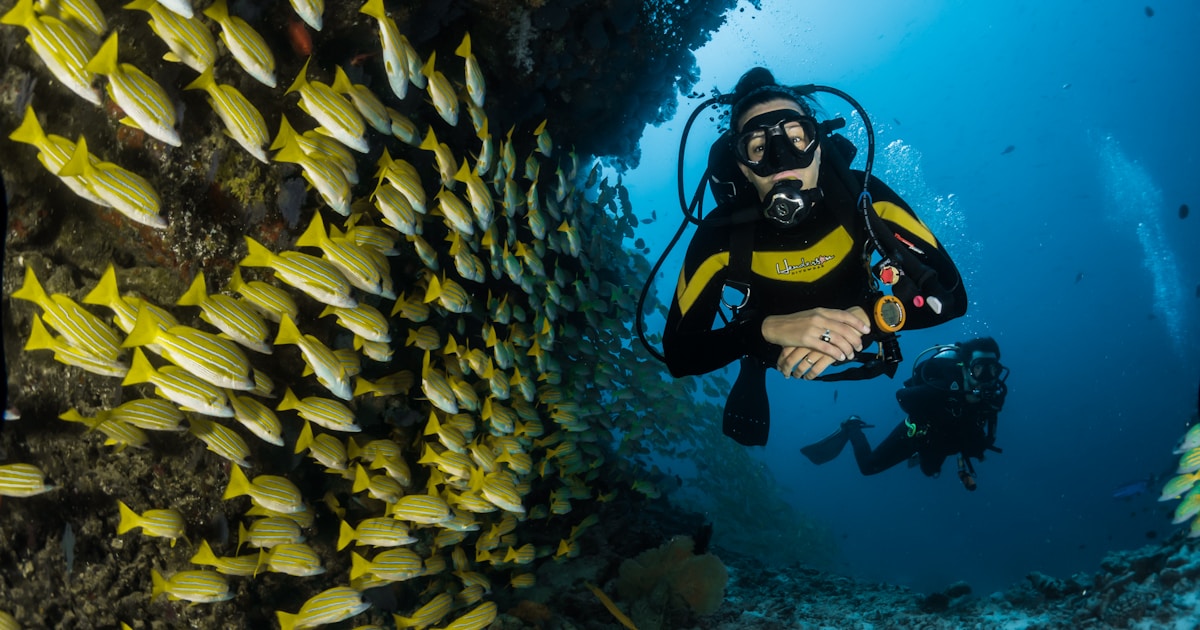
The coral reefs surrounding the Gili Islands are some of the most biodiverse in Indonesia. They support hundreds of species of fish, sea turtles, reef sharks, and invertebrates. But like reefs everywhere, they've faced pressure from climate change, bleaching events, and human activity.
What's encouraging is how the local community and businesses have responded. Several organisations across the islands run active reef restoration programmes, and you can get involved as a visitor without any prior experience.
Coral Nurseries and Reef Restoration
The Gili Eco Trust, based on Gili Trawangan, has been at the centre of marine conservation on the islands for years. They operate coral nurseries where damaged fragments are grown on artificial structures before being transplanted back onto degraded reef areas. Volunteers can join their programmes for a day or a week, helping with everything from underwater surveys to coral planting.
On Gili Meno, one of the most striking conservation projects takes a more artistic approach. BASK, a luxury beachfront resort on the island's western shore, created Nest, an underwater sculpture installation designed specifically to support reef regeneration. The sculptures provide structure for coral to colonise and grow, creating new habitat for marine life in waters that were previously bare sand. Snorkelling or diving around Nest is one of those experiences that stays with you. You're floating above something that's both a piece of art and a living ecosystem in the making.
It's worth noting that BASK also runs regular beach clean-ups along Gili Meno's coastline and has committed to ongoing environmental stewardship of the waters around the resort. For travellers who want their accommodation choice to actively contribute to the health of the local environment, it's a genuinely meaningful option.
Turtle Conservation
Gili Meno is known as the turtle capital of Indonesia, and for good reason. Green sea turtles and hawksbill turtles are spotted here with remarkable regularity, both while snorkelling along the reef and sometimes right from the beach. The island has a long history of turtle conservation, and several hatchery programmes have helped boost local populations over the years.
You can visit the turtle encounters sites around Gili Meno's northern and eastern coasts, where turtles feed on seagrass beds in shallow water. Early morning is the best time to go. The water is calm, visibility is high, and the turtles are active. No tour guide needed, just a mask and snorkel and a bit of patience.
If you want a deeper understanding of the conservation efforts, the Gili Eco Trust runs educational programmes that explain the life cycle of sea turtles, the threats they face, and what's being done to protect them. It's a great activity for families and anyone who wants to go beyond the surface.
Biorock Technology: Regrowing Reefs with Electricity
One of the more fascinating conservation methods used in the Gili Islands is Biorock technology. If you haven't come across it before, the concept is surprisingly simple. Metal structures are placed on the ocean floor and connected to a low-voltage electrical current powered by solar panels. The current causes minerals in the seawater to crystallise on the metal frames, creating a limestone coating that mimics natural reef structure. Coral fragments attached to these frames grow two to six times faster than they would on natural substrate.
The Gili Islands have one of the largest collections of Biorock structures in the world. Many of them are accessible to snorkellers, not just divers, which makes this one of the most approachable ways to see reef science in action. You'll find Biorock installations off all three islands, but the highest concentration is around Gili Trawangan and Gili Meno.
Sustainable Dining: Eating with Intention
Eco tourism isn't just about the ocean. It extends to how you eat, what you support, and where your money goes while you're on the islands. The dining scene across the Gilis has shifted noticeably in recent years, with more restaurants sourcing locally, reducing waste, and offering plant-forward menus that reflect a more conscious approach to food.
On Gili Meno, Pomona stands out as a restaurant that takes this seriously while also being one of the most enjoyable places to eat on the island. Their entire food menu is 100% gluten free, and a dedicated section called The Soil is fully vegan, featuring dishes like jackfruit carnitas tacos, chili con tempeh, and tropical quinoa salad with mango and charred pineapple. The cooking is done over open fire, which keeps things simple and reduces energy consumption. The vibe is relaxed and social, with shared plates designed for long, unhurried meals on the beach. Their Sunday Beach BBQ, running every Sunday from 3pm to 8pm, has become one of those weekly rituals that both locals and visitors build their schedules around.
What I appreciate about places like Pomona is that the sustainability isn't performative. They're not shouting about it on every menu page. They've just built it into how they operate, and the food happens to be excellent.
Across on Gili Air, several smaller warungs and cafes have adopted zero-waste principles, using banana leaves instead of plastic packaging, composting food scraps, and sourcing fish directly from local fishermen. The food and drink guide has more detail on specific spots worth visiting.
How to Travel Responsibly on the Gili Islands
You don't need to join a formal programme to travel sustainably here. Some of the most impactful things you can do are small, everyday choices.
Reef-Safe Sunscreen
This one matters more than most people realise. Chemical sunscreens containing oxybenzone and octinoxate are toxic to coral. When you swim or snorkel, those chemicals wash off into the water and contribute to coral bleaching. Switch to a mineral-based, reef-safe sunscreen before you arrive. Several shops on Gili Trawangan and Gili Air stock them, but selection can be limited, so it's worth bringing your own.
Reduce Single-Use Plastic
The Gili Islands have made significant strides in reducing plastic waste, but there's still work to do. Bring a reusable water bottle. Most accommodations and restaurants offer refill stations, and some cafes give discounts if you bring your own cup. Say no to plastic straws and bags when offered.
Choose Responsible Operators
Whether you're diving, snorkelling, or taking a glass-bottom boat tour, pick operators who follow responsible practices. That means no touching or standing on coral, no feeding fish, maintaining safe distances from turtles, and limiting group sizes. The best dive shops on the islands are members of Green Fins, an international programme that sets environmental standards for marine tourism operators.
Support Local Conservation
The Gili Eco Trust accepts donations and volunteers year-round. Even a half-day of your trip spent on a beach clean-up or coral planting session makes a tangible difference. They run regular events that are easy to drop into without a long-term commitment.
Where to Stay: Eco-Conscious Accommodation
Choosing where you sleep is one of the biggest ways your travel spending shapes a destination. Across the three islands, a growing number of properties are investing in sustainability, from solar power and rainwater collection to reef conservation programmes and local employment.
| Feature | Gili Trawangan | Gili Meno | Gili Air |
|---|---|---|---|
| No motorised vehicles | Yes | Yes | Yes |
| Active reef restoration | Multiple sites | BASK Nest project | Biorock structures |
| Turtle nesting sites | Limited | Primary nesting beach | Occasional |
| Plastic-free initiatives | Widespread | Growing | Moderate |
| Plant-based dining options | Many cafes | Pomona (fully GF, vegan options) | Several spots |
| Conservation volunteering | Gili Eco Trust HQ | Beach clean-ups | Community projects |
For travellers looking for the most unspoilt island experience with genuine environmental commitment built in, Gili Meno is the clear choice. It's the smallest and quietest of the three islands, often described as what happens when the Maldives meets the Greek Islands. Think white sand beaches, turquoise water so clear you can see turtles from the shore, and a pace of life that makes you wonder why you ever rush anywhere.
BASK on Gili Meno pairs luxury beachfront accommodation with active conservation through the Nest sculpture project and regular coastal clean-ups. Their beach club, centred around a 35-metre infinity pool overlooking the ocean, is powered by an approach that values the island's natural beauty as much as the guest experience. You can spend the morning snorkelling over restored reef, the afternoon by the pool, and the evening dining on fresh fish from the open kitchen, all knowing your stay contributes to the long-term health of the marine environment.
Best Eco Activities on the Gili Islands
If you're building an itinerary around sustainability and marine life, here's what I'd suggest:
Morning: Snorkel the Turtle Point
Head to the north coast of Gili Meno before 9am. The seagrass beds here attract green sea turtles most mornings, and the water is calm enough that you don't need fins. Bring an underwater camera but keep your distance. These turtles are wild and protected.
Midday: Visit a Biorock Site
Grab a mask and swim out to one of the Biorock installations off Gili Trawangan's east coast. The structures are close to shore and easy to find. You'll see coral in various stages of growth and dozens of fish species that have made the structures home.
Afternoon: Join a Beach Clean-Up
Check with the Gili Eco Trust or your accommodation for scheduled clean-ups. Most happen in the late afternoon when the heat drops. It's a surprisingly social activity, and you'll meet other travellers who share your values.
Evening: Dine at a Sustainable Restaurant
End the day with a meal that matches the ethos of your trip. On Gili Meno, Pomona's beachfront setting and open-fire Latin-inspired cooking make for a memorable evening. Try the ceviche mixto or the Peruvian chicken a la brasa, and stay for the sunset. On Gili Trawangan, several beachfront restaurants serve locally caught fish with minimal food miles.
The Bigger Picture
The Gili Islands aren't perfect. Tourism pressure is real, waste management is an ongoing challenge, and coral recovery takes years, not months. But what makes this place special is the visible, tangible commitment to doing better. You can see it in the Biorock frames colonised by new coral. You can see it in the turtles that return to nest on beaches that were once too disturbed. You can see it in the restaurants that have quietly shifted to more sustainable practices without making it their entire identity.
Travelling here in 2026, you're arriving at a moment when conservation efforts are gaining real momentum. The reefs are recovering. The community is engaged. And the experience of being on an island with no engines, no rush, and nothing between you and the ocean is as powerful as it's ever been.
If you're planning your trip, start with our responsible tourism guide for practical tips, and check the wildlife guide for seasonal information on turtle nesting and marine life. For a broader look at what each island offers, the island comparison guide will help you decide where to base yourself.
The Gili Islands prove that paradise and responsibility don't have to be at odds. Sometimes the places that ask the least of the planet give you the most in return.
Tags