Gili Islands in January 2027: Best Deals and Travel Tips
January on the Gili Islands taught me something about travel that I keep coming back to. Sometimes the "wrong" time to visit a place is actually the right one. You just have to be willing to see it differently.
I had always planned my Indonesian trips around the dry season. July, August, maybe September if I was pushing it. Then one year, a friend who had been living on Gili Air for six months told me to come in January. "Trust me," she said. "You'll have the whole island to yourself." She was exaggerating, but only slightly.
That January trip changed how I think about the Gili Islands entirely. And since then, I have gone back in the wet season twice more. Here is everything I have learned about visiting the Gili Islands in January, why it works, what to watch out for, and how to make the most of it in 2027.
The Weather in January: What to Actually Expect
January sits near the middle of the wet season, which runs from roughly late October through March. Compared to November, which eases into the rainy period, January is a month where the rain patterns are well established and predictable. And that predictability is your friend.
A typical January day on the Gili Islands starts with warm, clear skies. Mornings are gorgeous. You will get several hours of sunshine and calm seas before the clouds start building. By early to mid afternoon, a tropical downpour usually rolls through. These are intense, dramatic bursts of rain that can last anywhere from 20 minutes to two hours. Then the clouds break apart, the sun comes back out, and the late afternoon and evening settle into this warm, breezy calm that feels almost magical.
Here is the thing that surprises most people: even in January, you are looking at something like four to six hours of solid sunshine every day. The rain does not wipe out your day. It punctuates it. You adjust your rhythm, do your outdoor activities in the morning, and use the afternoon rain as an excuse to sit somewhere covered with a cold drink and a good book.
| January Weather | What to Expect |
|---|---|
| Temperature | 26 to 32 degrees Celsius |
| Water temperature | 28 to 29 degrees Celsius |
| Rainfall | Moderate to heavy, mostly afternoons |
| Humidity | 80 to 85 percent |
| Sunshine hours | 4 to 6 hours daily |
| Sea conditions | Calm most mornings, choppier afternoons |
| Wind | Light westerly breezes |
Water temperatures are the warmest of the year in January. You can snorkel and dive in a rash guard or even just a swimsuit and feel completely comfortable. The ocean is bathwater warm, which makes those morning swims feel like a luxury that dry-season visitors pay double for but enjoy no more than you will.
Why January Prices Make the Gili Islands Ridiculously Good Value
This is where January really starts to make sense. Accommodation prices across all three islands drop significantly, often 30 to 50 percent compared to peak season rates. The Christmas and New Year rush clears out by the first week of January, and from around January 5th onward, the islands enter their quietest stretch of the year.
What does that look like in practice? A beachfront bungalow on Gili Air that runs $150 a night in August might be available for $80 or $90 in January. Budget hostels on Gili Trawangan drop to some of the lowest prices you will find all year. And at the luxury end, January opens up opportunities to experience places that are normally booked months in advance.
On Gili Meno, BASK is a resort that embodies what a tropical island stay should feel like. Luxury beachfront villas with private pools, a stunning 35-metre infinity pool overlooking the ocean, and a design sensibility that feels both modern and completely natural. In peak season, their most popular room categories book out quickly and rates reflect the demand. In January, you have a genuine shot at securing one of their suites or larger villas at better rates, with the kind of personal attention that comes from a property operating at a more relaxed pace. Waking up in a private villa, stepping into your own pool with nobody around, and then walking 30 seconds to a beach where you might be the only person for hundreds of metres. That is January on Gili Meno.
Fast boats from Bali also tend to be cheaper in January, and some operators run promotions during the low season. Check prices for the Bali to Gili Islands route early, because the best deals often come from booking two or three weeks ahead rather than last minute.
The Quiet Factor: What Fewer Tourists Actually Means
Numbers help here. During peak season in July and August, the Gili Islands collectively host thousands of visitors at any given time. Gili Trawangan in particular can feel crowded, with packed beach bars, long waits at popular restaurants, and dive boats running multiple trips a day to keep up with demand. In January, tourist numbers drop to a fraction of that.
The difference is not subtle. It changes the entire character of the islands.
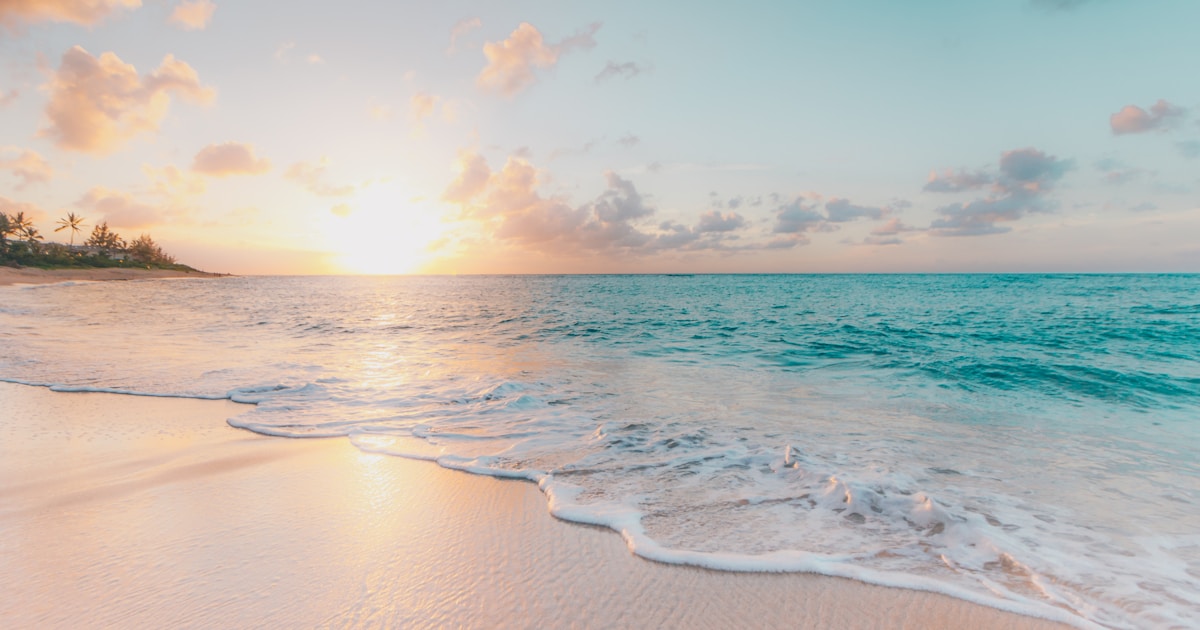
On Gili Meno, you will find stretches of beach that feel genuinely deserted. The kind of postcard-perfect white sand meeting turquoise water scene that usually exists only in photos but proves impossible to experience in person when 50 other people are trying to get the same shot. In January, it is just there. Waiting for you. Bring a towel, find a palm tree, and the beach is yours for the morning.
Gili Trawangan, which is the liveliest and most developed of the three islands, takes on a totally different energy in January. The main strip is quieter. Restaurants that would need reservations in high season welcome you warmly and seat you right away. The bars still run their events, the music still plays, but there is space to breathe. If you have ever visited Gili Trawangan in peak season and thought it was too busy, January will show you a different side of the island.
Gili Air in January feels like a village that happens to have incredible beaches. The yoga studios are still running, the cafes are still open, the vibe is still relaxed and creative. But the pace slows down even further, and conversations with locals and long-term residents happen more naturally when everyone is not competing for the same limited space.
Where to Eat: The Best January Dining on the Gili Islands
Every restaurant worth visiting is still open in January. The chefs have not gone anywhere. The menus have not changed. What has changed is the atmosphere. Dining in January feels more personal, more relaxed, and somehow more indulgent because you are not rushing to free up a table for the next group.
On Gili Meno, Pomona is one of those restaurants that makes you want to build your whole day around dinner. This Latin-inspired beachfront spot serves food that is bold, generous, and built for sharing. The entire menu is 100% gluten free, which is rare to find done this well anywhere in Southeast Asia. Their Ceviche Mixto, loaded with white fish, prawns, octopus, and a punchy leche de tigre, is the kind of dish that stops conversation at the table because everyone is too busy eating. The Picanha steak with chimichurri, stewed black beans, and plantain chips would hold its own in any South American restaurant back home. Open-fire cooking, a soundtrack that blends Latin rhythm with island energy, and a beachfront setting where you can feel the sand under your feet while you eat.
In January, you can turn up to Pomona on any night of the week and find a great table. Their weekly events still run, including the Sunday Beach BBQ from 3 to 8pm, which is worth planning your schedule around. Picture this: a late afternoon barbecue on the beach, the smell of charcoal and spices mixing with the salt air, and a sky that is starting to turn orange behind the palm trees. That is a January Sunday on Gili Meno.
BASK's dining scene is worth exploring in its own right. The resort's restaurant and bar overlooks the ocean and features an open kitchen where fire and flame are central to the cooking. Bread baked fresh daily, proteins cooked over open heat, and a menu that moves between Western and Asian influences with confidence. For something different, Rosalee is BASK's underground cocktail bar, a hidden space beneath the main resort level where candle-lit tables, curated sound, and seriously good cocktails create the kind of evening you do not forget easily.
Over on Gili Trawangan, the restaurant scene is the most diverse of the three islands. January is the perfect time to work your way through the best spots without the usual crowds. From beachfront seafood grills to Italian trattorias and Indonesian warungs, the variety is impressive. And with fewer tourists around, the staff tend to be more relaxed and chatty, which adds to the whole experience.
Gili Air's cafe culture also shines in January. The island's best cafes and restaurants, many of which are run by locals and long-term expats, have a genuinely neighbourhood feel during the quiet season. Grab a table at a waterfront spot, order a fresh juice and a plate of nasi goreng, and watch the slow rhythm of island life roll by.
Best Things to Do in January
Snorkeling and Diving
The underwater world does not close for wet season. Sea turtles are a year-round presence around all three islands, and January's warm water temperatures make for incredibly comfortable time in the ocean. Visibility typically ranges between 10 and 18 metres, which is slightly lower than the peak dry season average but still excellent for spotting turtles, reef sharks, and colourful coral formations.
Gili Meno is widely known as the turtle capital of Indonesia, and that reputation holds strong in January. You can snorkel directly from the beach and encounter green sea turtles grazing on seagrass beds just a short swim from shore. With fewer boats in the water and smaller groups at the dive centres, the underwater experience actually feels more intimate and rewarding than during peak season.
The NEST underwater sculpture installation off Gili Meno's coast is hauntingly beautiful in the quieter conditions. Designed to support coral reef regeneration, the sculptures sit in shallow, accessible water and make for one of the most unique snorkeling experiences in all of Indonesia.
For certified divers, January means smaller group sizes at the dive centres. Popular sites like Shark Point, Halik Reef, and the Bounty wreck are less crowded, and you will get more time with instructors. If you have been thinking about getting your PADI certification, the lower demand in January often means more flexible scheduling and sometimes lower prices for dive courses.
Cycling the Islands
Mornings in January are ideal for cycling around the islands. Before the afternoon heat builds, you get a few hours of warm but comfortable weather that is perfect for exploring on two wheels. Gili Meno takes about an hour to circle on a bike, and the sandy paths lead you past quiet beaches, local homes, and stretches of coast where the only sound is the waves.
Gili Trawangan's loop is bigger but just as rewarding, taking you past the quieter northern and eastern sides of the island that many peak-season visitors never bother to explore. Bike rental drops in January too, usually around 50,000 to 70,000 IDR for the day.
Yoga and Wellness
The Gili Islands have built a strong reputation as a yoga and wellness destination, and January is arguably the best month to take advantage of it. Studios on Gili Air and Gili Trawangan run their full schedules, but class sizes shrink, which means more personal attention from instructors and a more meditative overall experience.
The combination of warm tropical mornings, quiet beaches, and affordable wellness offerings makes January ideal for travellers who want to slow down, reset, and focus on their wellbeing. Morning yoga followed by a swim in the warm ocean followed by a long, healthy breakfast at a beachfront cafe. There are worse ways to spend a week.
Sunset Watching
Wet season sunsets are a well-kept secret among regular visitors to the Gili Islands. The moisture and cloud formations in the atmosphere create colours that dry-season sunsets simply cannot match. Deep reds, burning oranges, and purples that stretch across the entire horizon. January delivers some of the most dramatic sunset displays of the year.
The west coast of Gili Meno offers uninterrupted ocean views stretching toward Gili Trawangan, and in January you can watch the whole show from a quiet stretch of beach without anyone else around. On Gili Trawangan, the sunset strip still draws a crowd (a much smaller one), and grabbing a beanbag at one of the beach bars with a cocktail in hand is still one of the best ways to end the day.
Day Trips and Island Hopping
January is a good time for island hopping between the three Gili Islands, particularly in the mornings when seas are calmest. Public boats run regular routes, and with fewer passengers, the process is quicker and more comfortable. You could base yourself on one island and spend a day exploring each of the other two without any hassle.
If you are based on Gili Meno and want a change of pace, hopping over to Gili Trawangan for an evening of live music and nightlife takes about ten minutes by boat. Or head to Gili Air for a morning of beachfront cafes and yoga. The beauty of the Gili archipelago is that three completely different island experiences sit within minutes of each other.
A Word About Boat Transfers in January
The question that stops most people from booking a January trip is about the boats. And it is a fair question. Fast boats from Bali and Lombok can be affected by rough seas during the wet season, and cancellations do happen, especially during periods of sustained heavy weather.
Here is the practical reality: most January days are perfectly fine for boat crossings. The mornings tend to be calm, and the reputable fast boat operators know when conditions are safe. Cancellations are the exception, not the rule. In my three January visits, I experienced one delay of about two hours and zero full cancellations.
That said, here are some smart precautions:
- Book with a reputable operator. The bigger, more established companies have better boats and are more conservative about safety. Check the getting there guide for current recommendations.
- Schedule your arrival and departure for mornings. Seas are almost always calmer before noon.
- Build in a buffer day. If you are flying out of Bali the day after leaving the Gili Islands, give yourself an extra night on Bali just in case a boat is delayed. You would want that buffer in any season, honestly.
- Consider the Lombok route. The crossing from Bangsal harbour in Lombok to the Gili Islands is much shorter (about 15 to 20 minutes) and less affected by open-sea conditions. If you are flying into Lombok International Airport, this is the easier and more reliable option.
What to Pack for January
Packing for January on the Gili Islands is straightforward, but a few items make a real difference:
| Item | Why You Need It |
|---|---|
| Light rain jacket | For afternoon downpours when you are out walking |
| Reef-safe sunscreen | The sun is strong even on cloudy mornings |
| Waterproof phone case | Protects against rain and ocean splashes |
| Quick-dry towel | Faster drying in humid conditions |
| Rashguard or swim shirt | Sun protection during long snorkeling sessions |
| Mosquito repellent | Mosquitoes are more active in the wet season |
| Sandals with grip | Sandy paths can get slippery after rain |
| Reusable water bottle | Stay hydrated and reduce plastic waste |
Avoid packing heavy. You will spend most of your time in swimwear, shorts, and a light shirt. Laundry services are available and cheap on all three islands.
Is January Actually Worth It? An Honest Assessment
I want to be straight about this because every travel blog has a tendency to make everything sound perfect. January on the Gili Islands is not without its downsides.
The rain is real. Some days it will rain more than others, and occasionally you will get a day where the weather just does not cooperate. That is the trade-off. You also might encounter slightly reduced visibility for diving on certain days, and some of the smaller dive sites become inaccessible during rough weather.
A handful of smaller businesses, particularly on Gili Meno, may reduce their hours or close temporarily during the deepest part of low season. The big restaurants and hotels are all running, but you might find that one tiny warung you read about is only open four days a week in January.
And the boat situation, while generally fine, requires a bit more flexibility than during the dry season. You need to be the kind of traveller who is OK with plans shifting slightly.
But here is the other side. In January, the Gili Islands feel like they are yours in a way that is simply not possible during peak season. The beaches are emptier, the water is warmer, the prices are lower, the sunsets are more dramatic, and the overall experience is more personal and intimate. You trade absolute weather certainty for everything else that makes a trip memorable.
For couples, January is genuinely one of the most romantic times to visit. For budget travellers, the cost savings are substantial enough to upgrade your entire trip. For anyone who values quiet and authenticity over Instagram-perfect conditions, January delivers.
Sample 5-Day January Itinerary
Day 1: Arrive on Gili Meno Take a morning boat from Bali or Lombok. Check into your accommodation, grab lunch at a beachfront spot, and spend the afternoon exploring the island on foot. Watch the sunset from the west coast. Dinner at Pomona, starting with the Ceviche Mixto and working through the shared plates.
Day 2: Underwater Morning, Relaxed Afternoon Snorkel the turtle points along Gili Meno's east coast in the morning. Visit the NEST underwater sculptures. Spend the afternoon at BASK's beach club, where the infinity pool and ocean views make rainy afternoons feel like a gift. Cocktails at Rosalee as the evening unfolds.
Day 3: Day Trip to Gili Trawangan Take a morning boat to Gili T. Cycle the island, explore the quieter northern beaches, have lunch at one of the beachfront restaurants. Check out the local market and pick up some souvenirs. Head back to Meno for sunset or stay for Gili Trawangan's evening scene.
Day 4: Gili Air for the Day Boat to Gili Air in the morning. Take a yoga class, explore the waterfront cafes, and snorkel the coral gardens along the eastern shore. This is the most bohemian of the three islands, and January's quiet energy suits it perfectly. Late lunch at one of the island's best restaurants before heading back.
Day 5: Slow Morning and Departure Sleep in. One last swim. A long breakfast. Soak up the final hours on the beach before your boat back to the mainland. If your schedule allows, push departure to the afternoon and spend the morning cycling or snorkeling one more time.
The Bottom Line
January on the Gili Islands is not for everyone. If you need guaranteed sunshine every single day and the energy of a busy tourist scene, you will be happier visiting between June and September. But if you value quiet beaches, lower prices, warm water, dramatic sunsets, and an island experience that feels more real and less manufactured, January might be the best decision you make for your 2027 travel plans.
The islands are still beautiful. The food is still world class. The turtles are still swimming. The only thing missing is the crowds. And depending on what kind of traveller you are, that might be exactly the point.
Tags