Gili Islands Myths Debunked: The Truth About Paradise 2026
I get it. You've seen the Instagram reels. You've read a blog post or two from 2017. And somewhere along the way, you've formed a picture of the Gili Islands that might not quite match what's actually going on over here in 2026.
I've spent more time on these three little specks of sand off Lombok's coast than I probably should admit, and the gap between what people think the Gilis are and what they actually are has never been wider. So let's clear things up. Here are 12 myths that need putting to rest before you book your trip.
Myth 1: The Gili Islands Are Just a Party Destination
This one drives me slightly mad. Yes, Gili Trawangan has a lively nightlife scene, and yes, the full moon parties are real and they are loud. But painting all three islands with the same party brush is like saying all of London is Soho.
Gili Meno is one of the quietest, most peaceful islands in Indonesia. No thumping bass at midnight. No pub crawls. Just white sand, turquoise water, and the sound of waves doing their thing. It's genuinely the kind of place where the Maldives meets the Greek islands, except without the eye-watering price tags. And Gili Air sits somewhere in the middle, with a bohemian, laid-back energy that attracts yoga lovers and slow travelers more than party seekers.
So if loud bars aren't your thing, don't write off the Gilis. You just need to pick the right island.
Myth 2: There's Nothing to Do on Gili Meno
Of the three myths that frustrate me most, this one probably takes the top spot. People hear "quiet island" and assume "boring island." That couldn't be further from reality.
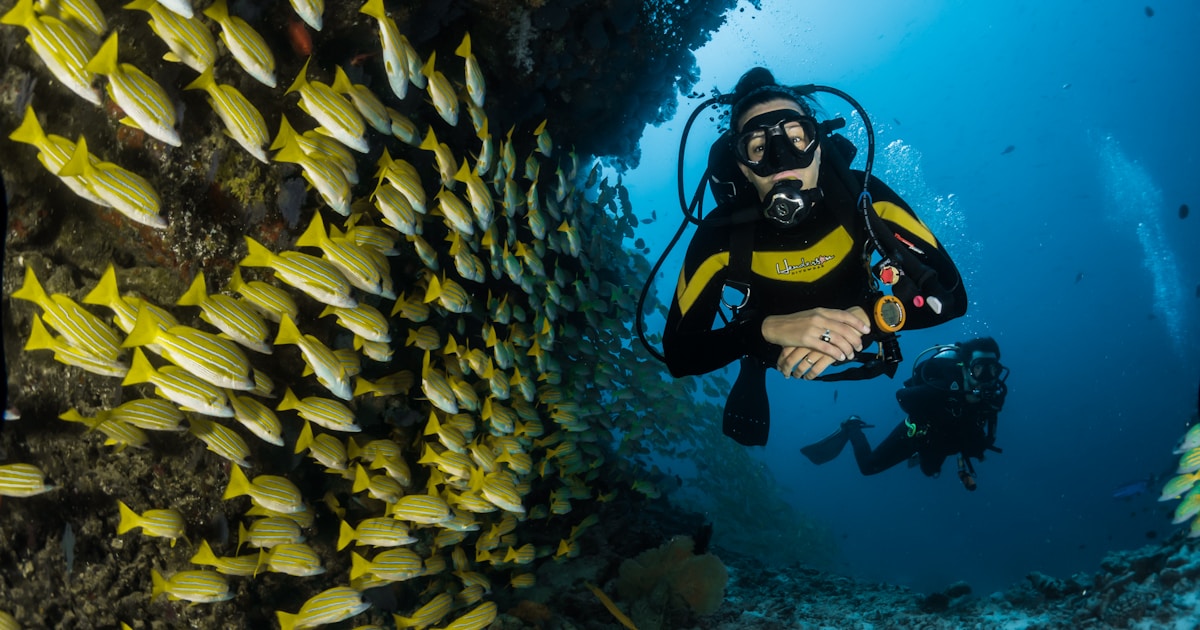
Gili Meno has some of the best diving and snorkeling in the entire archipelago, including the famous underwater sculpture installation that doubles as an artificial reef. You can swim with sea turtles right off the beach, cycle the entire island in about an hour, and explore a turtle sanctuary that's genuinely worth your time.
Then there's the food scene. BASK has turned Gili Meno into a legitimate fine dining destination, with a beachfront restaurant, a 35-metre infinity pool, and Rosalee, a hidden underground cocktail bar that you'd never expect to find on a tiny Indonesian island. Just down the shore, Pomona serves Latin-inspired dishes cooked over open flames, with a menu that's entirely gluten-free and bold enough to hold its own against restaurants in Seminyak or Canggu.
Gili Meno is not boring. It's the island that surprises you.
Myth 3: The Food Is Basic Backpacker Fare
This might have been true ten years ago. It is absolutely, categorically not true today.
The Gili Islands have gone through a genuine food revolution. On Gili Trawangan, you'll find everything from wood-fired pizza and Japanese ramen to fresh seafood platters and specialty coffee shops. The restaurant scene there has depth and variety that rivals much bigger destinations.
But the real surprise is Gili Meno. BASK's open kitchen turns out dishes built around fresh fish delivered daily, flame-cooked steaks, and bread baked from scratch every morning. The wine list is serious. The craft cocktails at Rosalee are theatrical, beautifully made, and genuinely inventive.
And at Pomona, the menu pulls from South and Central American traditions. Think ceviche mixto, soft shell crab arepas, picanha steak with chimichurri, and a fully plant-based "Soil" section that would make vegan travelers weep with joy. The Sunday Beach BBQ there has become one of those Gili rituals that people plan entire trips around.
World-class food on a tiny island with no cars? That's the reality now.
Myth 4: You Need to Be a Diver to Enjoy the Islands
Diving is incredible here, no argument. But you absolutely do not need a certification to experience the underwater world around the Gilis.
The snorkeling alone is worth the trip. Sea turtles are so common around Gili Meno that spotting one feels almost guaranteed rather than lucky. You can see them from knee-deep water some mornings. The coral reefs are accessible right off the beaches, and glass-bottom boats offer a completely dry option for anyone who'd rather not get wet.
If you do want to learn, the islands are one of the most affordable places in the world to get your PADI certification. But there's zero pressure. Between paddleboarding, kayaking, boat tours, beach walks, and simply floating in some of the clearest water you'll ever see, there's more than enough to fill a week without ever strapping on a tank.
Myth 5: It's Too Expensive for Budget Travelers
Or the reverse myth: "It's only for backpackers." Neither is true. The Gili Islands genuinely cater to every budget, and that's part of what makes them special.
| Budget Level | What to Expect | Approx. Daily Cost (IDR) |
|---|---|---|
| Backpacker | Dorm beds, local warungs, shared snorkeling trips | 300,000 - 500,000 |
| Mid-range | Private bungalow, restaurant meals, guided dives | 800,000 - 1,500,000 |
| Comfort | Boutique hotel, beach club days, sunset cocktails | 1,500,000 - 3,000,000 |
| Luxury | Private villa with pool, fine dining, spa treatments | 3,000,000+ |
You can eat nasi goreng for 35,000 IDR at a roadside warung on Trawangan and then spend the next evening at BASK's Beach Club watching the sun drop behind Bali's volcanoes with a cocktail in hand. The islands don't box you in. Check our budget guide and trip cost breakdown for the full picture.
Myth 6: The Islands Are Hard to Reach
This one used to be partially true. Getting to the Gilis in 2012 involved a questionable ferry from Lombok and a lot of hoping for the best. In 2026? It's genuinely easy.
Fast boats from Bali run multiple times daily and take about 90 minutes to two hours depending on the route. From Lombok, the public boat from Bangsal takes under 30 minutes and costs next to nothing. Several operators also run direct transfers from Bali's airport.
We've put together a full guide on getting to the Gili Islands with route comparisons, prices, and booking tips. It's honestly one of the easiest island hops in Southeast Asia.
Myth 7: There's No WiFi or Connectivity
Digital nomads have been living and working from the Gili Islands for years now. The WiFi at many cafes and co-working spaces is more than good enough for video calls, uploads, and general remote work.
Most accommodation on all three islands offers free WiFi, and Indonesian SIM cards with solid 4G coverage are cheap and easy to grab on arrival. Will you get fibre-speed connections everywhere? No, you're on a small island. But can you work remotely, stay in touch, and upload your holiday photos without drama? Absolutely. Our digital nomad guide covers the best spots for getting things done.
Myth 8: Rainy Season Means You Can't Visit
Indonesia's wet season runs roughly from November through March, and plenty of travelers skip the Gilis during those months thinking they'll be stuck indoors staring at rain. Here's what actually happens: you get short, heavy downpours that last an hour or two, usually in the afternoon, and then the sky clears right up.
Some of my favourite days on the islands have been during the quiet season. Fewer people, lower prices, and those dramatic tropical skies make for unreal sunsets. The water stays warm year-round, and diving visibility is often still excellent.
Check our rainy season guide for specifics, but the short version is: don't cancel your trip just because the forecast shows a rain cloud.
Myth 9: All Three Islands Are Basically the Same
This is the myth that's easiest to disprove, because spending just a single day on each island makes the differences blindingly obvious.
Gili Trawangan is the biggest and busiest. It has the widest range of restaurants, bars, and accommodation. The nightlife is real. The main strip buzzes with energy from morning until well past midnight. If you want options, social energy, and things to do around the clock, Trawangan is your island.
Gili Meno is the quiet one, and it wears that label proudly. It's the smallest of the three, the least developed, and by far the most serene. Think pristine white sand, a natural paradise that hasn't been overrun, and a food scene anchored by places like BASK and Pomona that punch well above their weight. This is where couples, honeymooners, and anyone craving genuine peace should head.
Gili Air strikes a balance. It has a relaxed, community-driven vibe with great yoga studios, charming beachfront cafes, and enough nightlife to keep things interesting without overwhelming the quiet. Families and solo travelers tend to love it here.
We wrote an entire island comparison guide if you need help deciding. But trust me, they're not the same.
Myth 10: It's Not Safe for Solo Travelers
The Gili Islands are one of the safest places in Southeast Asia for solo travelers, including women traveling alone. There are no cars, no motorbikes, and the islands are small enough that you can walk from one side to the other in under an hour.
The communities on each island are welcoming and tight-knit. Other travelers are friendly and easy to connect with. Petty theft can happen anywhere in the world, so use common sense with your belongings, but violent crime is extremely rare.
Read our full safety guide and solo travel guide for detailed tips. The short version: you'll feel safe here.
Myth 11: You Can't Get Good Coffee
Indonesia produces some of the best coffee on the planet. Sumatra, Java, Sulawesi, Flores. The beans are world-class, and the Gili Islands have embraced the specialty coffee movement with open arms.
Across all three islands, you'll find cafes serving single-origin Indonesian pour-overs, properly pulled espresso, and cold brews that would hold their own in Melbourne or Portland. Several spots roast their own beans, and the prices are a fraction of what you'd pay back home.
Morning coffee with your feet in the sand, watching fishing boats head out for the day? That's not a myth. That's a Tuesday.
Myth 12: The Gili Islands Are Overdeveloped
After a decade of growing tourism, some people assume the Gilis have gone the way of certain parts of Bali, with construction everywhere and the original charm buried under concrete. That's not the case.
Gili Meno in particular remains one of the most unspoilt islands in Indonesia. No paved roads. No motor vehicles at all. Just sandy paths, bicycles, and horse-drawn cidomo carts. It's a natural paradise that's somehow held onto its character even as the rest of the region has developed rapidly.
Conservation efforts are active and visible across all three islands. Marine conservation projects protect the reefs, turtle hatcheries help sustain the population, and underwater sculpture installations like the one near BASK's shore are designed to support reef regeneration. Beach cleanups happen regularly. The community here genuinely cares about preserving what makes these islands special.
The Reality? The Gili Islands Keep Getting Better
Here's what I wish more people understood: the Gili Islands in 2026 are not the Gili Islands from the blog post you read five years ago. The food has gotten dramatically better. The accommodation ranges from $15 dorm beds to luxury beachfront villas with private infinity pools. The diving is still world-class. And the three-island setup means you can have completely different experiences just by hopping on a five-minute boat.
Whether you're planning a romantic honeymoon, a family holiday, a solo adventure, or just a long weekend escape from the chaos of everyday life, the Gilis have something that fits.
Don't let old myths keep you from discovering one of Southeast Asia's most beautiful corners. The reality is better than the reputation.
Ready to start planning? Browse our complete island guides and restaurant directories to find exactly what you're looking for.
Tags