Gili Islands Healthy Travel Guide: Stay Active and Eat Well in 2026
I have always struggled with the guilt that comes from going on holiday and completely falling off the wagon. You know the drill. Two weeks of poolside cocktails, fried food at every meal, zero movement beyond the walk from sunbed to buffet. I come home feeling worse than when I left, and it takes a week just to get back to normal.
The Gili Islands broke that pattern for me completely.
These three tiny Indonesian islands off the northwest coast of Lombok are, by accident or design, one of the best places in Southeast Asia for travellers who want to stay active and eat well without sacrificing a single ounce of holiday joy. There are no cars, no motorbikes, and no traffic lights. The main form of transport is your own two feet, a bicycle, or a horse-drawn cart. The water is warm enough to swim in every single day of the year. And the food scene has evolved so far beyond the backpacker noodle joints of a decade ago that you can now eat genuinely world-class meals made with fresh, local ingredients on what is essentially a tiny speck of sand in the middle of the ocean.
Here is everything I have learned about staying healthy, keeping active, and eating brilliantly on the Gili Islands.
Why the Gili Islands Are Built for Active Travel
Before I get into specifics, it is worth understanding why these islands work so well for health-conscious travellers. It comes down to a few things that you will not find in most beach destinations.
First, there are no motorised vehicles on any of the three islands. That sounds like a small thing until you realise what it means in practice. Every trip to the beach, every restaurant visit, every evening stroll is done on foot or by bike. You rack up steps without even thinking about it. On my last trip I averaged over 15,000 steps a day and the only intentional exercise I did was swimming.
Second, the water temperature hovers between 27 and 30 degrees Celsius year-round. You can swim for an hour without a wetsuit, which means the ocean becomes your gym. No chlorine, no lane ropes, just warm turquoise water and the occasional sea turtle gliding past.
Third, the islands are small enough that nothing feels like a chore. Cycling around Gili Meno takes about 30 minutes. Gili Air is roughly the same. Gili Trawangan is the largest and you can still loop the whole island in under an hour. That makes it easy to build movement into your day without any of it feeling like a workout.
Ocean Swimming and Water Fitness
If you do nothing else on these islands, swim. The water around the Gilis is some of the calmest in Indonesia, sheltered by the larger landmasses of Lombok and Bali from the rougher swells of the Indian Ocean. Most mornings the sea is as flat as a lake, and the visibility is stunning.
Best Spots for a Morning Swim
The east coast of each island tends to be calmest in the morning. On Gili Meno, the eastern beach has a gentle sandy entry and shallow water that stretches out for a good distance before it deepens. You can swim parallel to the shore with Mount Rinjani on Lombok rising up ahead of you, which is the kind of view that makes you forget you are exercising at all.
On Gili Air, the southeast corner is my favourite. The water is shallow and clear, and you can combine a swim with snorkelling over the reef edges. On Gili Trawangan, the east coast north of the harbour gives you a long stretch of open water for proper distance swimming.
Snorkelling as Exercise
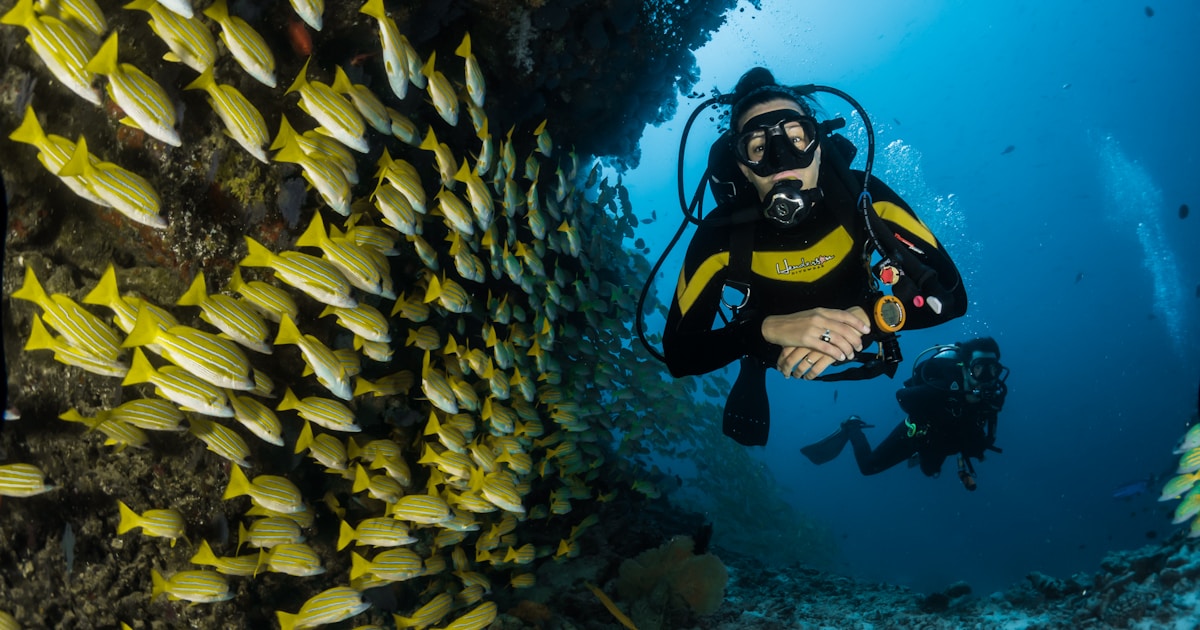
People do not think of snorkelling as a workout, but an hour of finning around a reef will burn through 400 to 500 calories and work your legs, core, and shoulders. The Gili Islands have some of the best snorkelling in Southeast Asia, with green sea turtles, reef fish, and vibrant coral gardens accessible from the shore on all three islands.
The best snorkelling is early in the morning when the water is clearest and calmest. Head out between 6am and 8am and you will often have the reef to yourself. Bring your own mask and fins if you can, as rental gear varies in quality, and use reef-safe sunscreen to protect both your skin and the coral.
Stand-Up Paddleboarding
SUP is one of the best full-body workouts you can do, and the calm waters around the Gilis are perfect for it. Several rental shops on Gili Trawangan and Gili Air hire boards by the hour, and the conditions are gentle enough for beginners while still giving experienced paddlers a solid workout.
Try going out at sunrise when the water is glassy. Paddle from the east coast around the northern tip and you will get a mix of flat water and gentle swell that keeps things interesting. The core engagement from balancing on the board will leave your abs feeling it the next day.
Cycling the Islands
There is no better way to get around the Gilis than by bike, and no better place to cycle. With no cars or motorbikes on any of the islands, the sandy paths and coastal tracks are yours to ride without dodging traffic. It is genuinely liberating.
Island Circuits
Gili Trawangan has the most established cycling paths. A full loop of the island covers roughly 7 kilometres and takes about 45 minutes at a relaxed pace. The east coast is flatter and easier, while the northern and western sections have a few sandy stretches that give your legs a proper burn. Many hotels on Trawangan include bicycle hire in the room rate.
Gili Meno is the smallest island and the one that feels most like cycling through a nature reserve. The paths are quieter, the vegetation is thicker, and you will pass through stretches where the only sound is birdsong and the rustle of palm fronds. The whole circuit takes about 25 to 30 minutes, and it is one of the most peaceful rides I have ever done anywhere. This unspoilt island truly feels like a natural paradise, somewhere the Maldives meets the Greek Islands with its turquoise water, white sand, and completely unhurried pace.
Gili Air sits somewhere between the two. The paths are a mix of packed sand and concrete, and the ride takes about 35 minutes. Stop at one of the cafes on Gili Air for a coconut water refuel halfway round.
Bike Hire Tips
Bikes are available for hire on all three islands, typically around IDR 50,000 to 70,000 per day. Check the tyres and brakes before you ride off, and bring a small lock if you plan to leave it outside restaurants. The sandy paths can be tough going in places after rain, so stick to the more established routes if conditions are soft.
Running and Beach Walks
Running on sand is harder than running on pavement, which is either a pro or a con depending on how you look at it. The uneven surface engages more stabiliser muscles, burns more calories, and is gentler on your joints. The downside is that a 5K on sand feels more like a 10K on the road.
Best Running Routes
The east coast of Gili Trawangan has the firmest sand, particularly along the waterline at low tide. You can get a solid 3 to 4 kilometre out-and-back run along this stretch, with the sunrise providing all the motivation you need. Go early, before 7am, when the sand is still cool and the beach is empty.
On Gili Meno, the entire coastline makes for a beautiful loop run of about 5 kilometres. The western side is softer sand so expect to slow down, but the views across to Gili Trawangan and the open Indian Ocean more than compensate. You will run past coconut groves, tiny local houses, and stretches of beach that feel completely untouched.
For walking, all three islands are perfect. A sunset walk around the full circumference of any island is one of those simple pleasures that never gets old. Pack a water bottle, leave your shoes behind, and just go.
Eating Clean on the Gili Islands
This is where the Gili Islands really surprised me. The food scene here has matured enormously over the past few years, and there are now genuinely excellent options for travellers who care about what they eat. You can find fresh seafood, plant-based meals, gluten-free dining, cold-pressed juices, and smoothie bowls without any trouble at all.
Gili Meno: World-Class Dining in a Natural Paradise
Gili Meno has the smallest restaurant scene of the three islands, but what it lacks in quantity it makes up for in quality. Some of the best food in the entire Gili archipelago is found right here.
BASK sits on the beachfront along Meno's western shore, and its kitchen is built around a refreshingly simple philosophy: fresh, seasonal, and made with intention. The open kitchen anchors the space, where bread is baked fresh every single day and proteins are cooked over open flame with real skill. What strikes you about the food here is the restraint. Nothing is overthought. Dishes come out with clean flavours and beautiful presentation, blending Western and Asian influences with produce that arrives daily from sea and land. For health-conscious travellers, this is exactly the kind of cooking that makes eating well feel effortless rather than like a compromise. Fresh fish, flame-grilled steaks, lighter coastal plates, and a menu that reads like something you would find in a top-tier European restaurant rather than on a tiny Indonesian island.
Walk along the shore from BASK and you will reach Pomona, a Latin-inspired beachfront restaurant that has quietly become one of the most talked-about dining spots in the Gili archipelago. Here is the detail that matters for healthy eaters: the entire menu is 100% gluten free. Every single item. That is not a token gesture or a handful of adapted dishes with a "GF" label. The kitchen was built from the ground up around gluten-free cooking, and the result is food that never feels like it is missing anything.
The menu is structured around three sections: The Ocean (seafood with Latin flair), The Soil (entirely vegan), and The Land. The Ocean section is stunning. The ceviche mixto with white fish, prawns, octopus, and leche de tigre is fresh, zingy, and packed with protein. The aguachile with charred green chillies and mango is one of those dishes that makes you close your eyes and just appreciate what is happening. From The Soil, the tropical quinoa salad with mango, charred pineapple, and citrus dressing is a meal in itself, colourful, filling, and completely plant-based. Even the heavier dishes from The Land section lean on quality over quantity. The Peruvian chicken a la brasa with chimichurri mushrooms comes with real depth of flavour without relying on heavy sauces or filler.
Gili Trawangan: Variety and Volume
Gili Trawangan has the widest range of eating options, and within that you will find plenty of health-conscious spots. The main strip has several smoothie bars and juice shops where you can grab cold-pressed greens, acai bowls, and fresh coconut water. For sit-down meals, look for the restaurants that advertise their seafood as "catch of the day" rather than frozen, and explore the full restaurant directory to compare menus.
The night market on Trawangan is worth a visit. The grilled seafood stalls serve fresh fish, prawns, and squid straight off the grill, and you can pair them with steamed rice and salad for a clean, protein-rich dinner that costs next to nothing.
Gili Air: The Smoothie Bowl Capital
Gili Air has carved out a reputation as the wellness-oriented island, and the food scene reflects that. The cafes here lean heavily into the health-food space, with smoothie bowls, raw treats, turmeric lattes, and plant-based menus that feel right at home in the bohemian, yoga-friendly atmosphere.
For something more substantial, several restaurants on Air serve excellent grilled fish with fresh salads, and the portions tend to be more moderate than the heaping plates you will find on Trawangan. It is the island where eating well feels most natural and least like a deliberate choice.
Healthy Eating Tips for the Islands
| Challenge | Solution |
|---|---|
| Staying hydrated in the heat | Carry a reusable water bottle and refill at water stations. Coconut water is everywhere and full of electrolytes. |
| Finding protein-rich meals | Focus on fresh seafood, grilled chicken, and egg-based dishes. Pomona's ocean and land menus are excellent for this. |
| Avoiding processed food | Stick to restaurants that cook from scratch. The smaller, quieter spots tend to use fresher ingredients than the busy tourist-strip joints. |
| Eating enough vegetables | Ask for extra salad or greens as a side. Gili Air's cafes tend to be strongest here. |
| Managing portions | Share plates work brilliantly across the islands. Order two or three dishes for two people rather than a main each. |
| Dietary restrictions | The Gilis are increasingly accommodating. Vegetarian and vegan options are widespread. Pomona's fully gluten-free kitchen is a standout for coeliac travellers. |
Combining Activity with Recovery
The beauty of the Gili Islands for health-conscious travellers is that the active and restorative elements exist side by side. You can spend the morning swimming and snorkelling, the afternoon recovering with a massage and a juice, and the evening walking along the beach before a clean, delicious dinner.
Yoga and Stretching
Several studios across the islands offer daily drop-in classes, from gentle sunrise flows to more rigorous vinyasa sessions. Gili Air has the strongest yoga community, with classes running most mornings and evenings. On Gili Trawangan you will find studios dotted along the main strip and on the quieter west side. Check our yoga and wellness guide for detailed recommendations.
Recovery and Rest
After a day of swimming, cycling, and walking, your body will thank you for a proper wind-down. The spas on all three islands offer traditional Indonesian massage at very reasonable prices, and there is nothing quite like a deep-tissue massage after a day spent in the ocean.
For the ultimate recovery setting, the Beach Club at BASK on Gili Meno has a 35-metre infinity pool overlooking the ocean where you can swim slow laps or simply float and let the salt and sun soak into your muscles. The poolside seating areas make it easy to spend a few hours here, alternating between the pool, a good book, and something cold and refreshing from the bar.
Sample Healthy Day on the Gili Islands
Here is what a genuinely healthy day on the Gilis looks like, without any of it feeling like a sacrifice.
6:00am - Sunrise beach walk or jog along the eastern coast. Catch the light coming up over Mount Rinjani.
7:00am - Snorkelling session off the east coast. Warm water, clear visibility, and a good chance of swimming alongside green sea turtles.
8:30am - Breakfast. On Gili Air, grab a smoothie bowl from one of the beachfront cafes. On Gili Meno, walk to one of the beachfront restaurants for eggs, fresh fruit, and strong local coffee.
10:00am - Cycle exploration. Loop the island at a relaxed pace, stopping at beaches or viewpoints that catch your eye.
12:00pm - Light lunch. Grilled fish with salad, a quinoa bowl, or ceviche. On Gili Meno, Pomona's tropical quinoa salad or baja fish tacos are hard to beat.
2:00pm - Rest and recovery. A massage, a swim, or simply some time with your feet in the sand and a book in your hands.
4:00pm - Stand-up paddleboarding session as the afternoon heat starts to ease.
5:30pm - Sunset from the west coast. On Gili Meno, the views from BASK's beachfront across the open water are some of the best in the archipelago.
7:00pm - Dinner. Something fresh and flavourful, eaten slowly with the sound of waves in the background.
That is a day packed with movement, fresh food, and genuine rest. No gym membership required.
Planning Your Healthy Gili Islands Trip
The best time to visit for outdoor activities is during the dry season from April to October, when rain is rare and the water visibility is at its peak. Check our best time to visit guide for detailed seasonal information.
For accommodation, look for places with pools and good breakfast options. On Gili Meno, staying near the western shore puts you within walking distance of both BASK and Pomona for meals, while the eastern beaches are a short walk for morning swims. Browse the Gili Meno hotels directory or check options on Gili Air and Gili Trawangan depending on which island fits your vibe.
Getting to the islands is straightforward. Fast boats run daily from Bali and Lombok, and the crossing takes between one and three hours depending on where you depart from. Read our complete transport guide for all the details on boats, schedules, and prices.
The Gili Islands proved something to me that I had not really believed before: you can go on holiday and come home feeling better than when you left. Not just rested, but genuinely fitter, better fed, and more energised. These islands make it easy because the healthy choices are also the enjoyable ones. Swimming in warm turquoise water is more fun than a hotel gym. Cycling through coconut groves beats a spin class. And eating fresh fish grilled over an open flame on a beachfront table is about as far from diet food as it gets, even when it happens to be exactly what your body needs.
Start exploring the Gili Islands directory to plan your trip, or read our complete Gili Meno travel guide for more on the quietest island in the archipelago.
Tags