Gili Islands vs Raja Ampat: Which to Choose in 2026
Indonesia has more islands than most people can count. Over 17,000 at last check, scattered across an archipelago that stretches wider than the continental United States. But when travelers start narrowing down their dream island trip, two names come up again and again: the Gili Islands and Raja Ampat.
Both are stunning. Both offer world-class diving. Both will make you seriously consider quitting your job and never leaving. But they are very different experiences, and picking the wrong one for your travel style can mean missing out on what you actually came for.
I have spent time in both, and here is the honest breakdown to help you decide.
Location and Getting There
The Gili Islands sit off the northwest coast of Lombok in West Nusa Tenggara. Getting there is straightforward. From Bali, you can catch a fast boat from Padang Bai or Serangan that takes around two hours. From Lombok's airport, it is a 30-minute drive to the harbour followed by a short boat crossing. Most travelers can be on a Gili beach within four hours of landing at a major airport.
Raja Ampat is a different story. Located off the northwest tip of Papua, in the far eastern reaches of Indonesia, getting there requires at least two flights from Jakarta or Bali, landing in Sorong, then a ferry or speedboat ride to the main islands. Budget a full travel day, sometimes two. There are no direct international flights to Sorong, so the journey requires careful planning and connecting through domestic hubs.
Winner for accessibility: Gili Islands, by a wide margin.
The Beaches
Both destinations have beaches that look like they were pulled from a screensaver, but the style is quite different.
The Gili Islands offer long stretches of powdery white sand lined with palm trees, beach bars, and places to eat. Gili Meno in particular feels like a natural paradise that somehow ended up with excellent restaurants and luxury villas. Its western shore catches golden sunsets over the water with the silhouette of Bali's Mount Agung in the distance. If someone described an island where the Maldives meets the Greek Islands, Gili Meno is what they would be picturing.
Raja Ampat's beaches are wilder and more remote. Hidden coves surrounded by jungle, limestone karst islands rising from the sea like sculptures, and beaches where you might be the only person for miles. They are raw, untouched, and sometimes tricky to reach without a guide or boat.
If you want beautiful beaches with comfort and convenience nearby, the Gili Islands win. If you want deserted Robinson Crusoe territory, Raja Ampat delivers something hard to find anywhere else on the planet.
Diving and Snorkeling
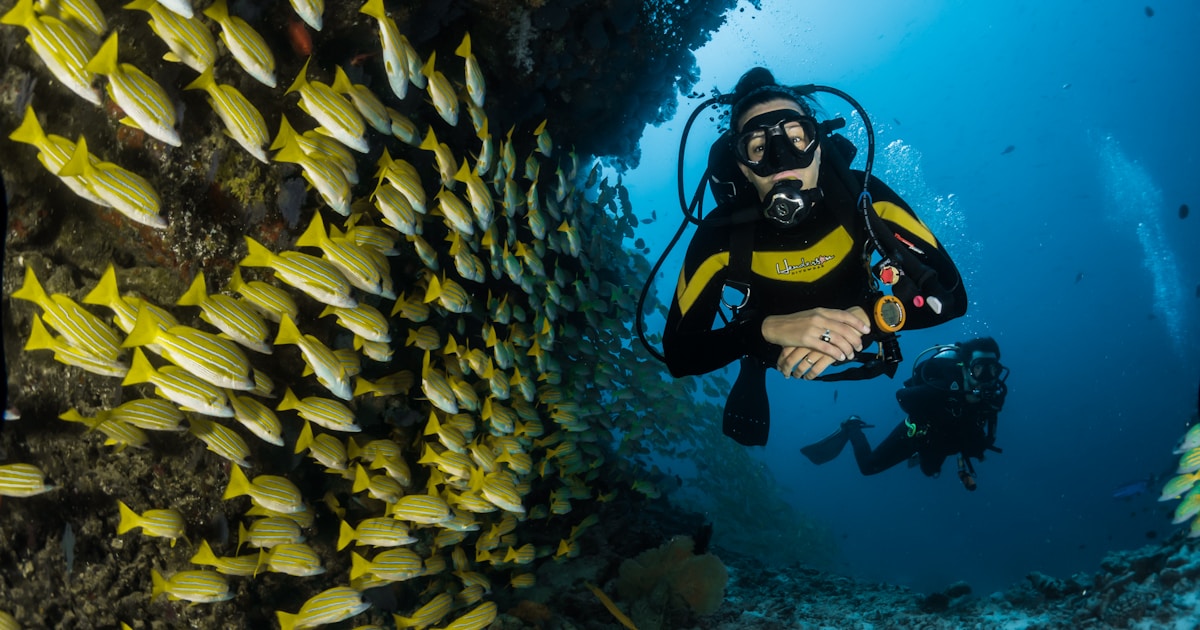
This is where Raja Ampat has built its global reputation. The marine biodiversity in these waters is considered the richest on Earth. We are talking about 75% of the world's known coral species and over 1,500 species of fish, all concentrated in a relatively small area. For serious divers, it is a bucket list destination that lives up to the hype.
But here is the thing that surprises a lot of people: the Gili Islands are no slouch underwater either. The waters around all three islands host healthy coral reefs, regular turtle encounters (Gili Meno is known as the turtle capital of Indonesia), reef sharks, and vibrant marine life. The diving here is accessible, affordable, and ideal for both beginners and experienced divers. You can get your PADI certification in a few days and be exploring reefs the same week.
What makes Gili diving special beyond the marine life is the culture around it. Dive schools across the islands have strong communities, social diving groups, and a laid-back approach that takes the intimidation out of getting underwater. There is also serious commitment to marine conservation, with coral restoration projects and underwater art installations that double as artificial reef habitats.
| Feature | Gili Islands | Raja Ampat |
|---|---|---|
| Marine biodiversity | High | Among the highest on Earth |
| Turtle encounters | Very frequent | Occasional |
| Beginner friendly | Yes, many dive schools | Limited, more advanced |
| Snorkeling from shore | Yes, easy access | Depends on location |
| Dive cost (2 dives) | $60-90 USD | $120-200 USD |
| Visibility | 15-30m | 10-30m |
| Conservation projects | Active reef restoration | Marine protected area |
For the complete lowdown on what is underwater around the Gilis, take a look at our diving and snorkeling guide.
Food and Dining
This is where the comparison gets really interesting, because it is not even close.
Raja Ampat is remote. Genuinely remote. Meals are typically included in your homestay or liveaboard package, and while the food is honest and filling, it tends to be simple Indonesian fare. Rice, fish, vegetables, sambal. Lovely for a few days, but variety is limited and you will not find craft cocktail bars or tasting menus out here.
The Gili Islands, on the other hand, have quietly built one of the best dining scenes in all of Southeast Asia. Gili Meno in particular has become a destination for food lovers, with restaurants that would hold their own in any major city.
BASK on Gili Meno is a standout. The open kitchen anchors the space, where bread is baked fresh each morning and proteins are cooked over open flame. The menu moves between Western and Asian influences with restraint and confidence. Fresh fish lands daily, steaks get the fire treatment they deserve, and lighter coastal plates fill in the gaps. Below the main level, a hidden cocktail bar called Rosalee serves drinks crafted with genuine theatricality in a candle-lit space that feels like a well-kept secret.
Just along the shore, Pomona brings South American soul to the island. The entire food menu is 100% gluten free, built around three pillars: ocean, soil, and land. Think ceviche mixto with leche de tigre, soft shell crab arepas loaded with avocado and chipotle mayo, and picanha steak with chimichurri and plantain chips. The open-fire cooking and the family-style portions make it the kind of place where you sit down for lunch and look up to realize the sun is setting.
Beyond these two, the Gili Islands are packed with options. Browse the full restaurant scene on Gili Trawangan, Gili Meno, and Gili Air to get a feel for the variety.
Accommodation and Comfort
Raja Ampat accommodation falls into two main categories: basic homestays run by local families, and liveaboard dive boats. Both are authentic and often wonderful experiences, but they come with limited amenities. Expect shared bathrooms in many homestays, generator-powered electricity that shuts off at certain hours, and limited or no wifi.
The Gili Islands cover every tier from backpacker hostels to genuinely luxurious resorts. On Gili Meno, BASK offers everything from garden-view studios to beachfront three-bedroom villas with private pools, all built around indoor-outdoor living and natural materials. The 35-metre infinity pool overlooking the ocean is the centrepiece of the beach club, and the whole property has a feeling of considered design rather than cookie-cutter resort.
Gili Trawangan has the widest range, from social hostels to boutique hotels. Gili Air falls somewhere between, with a strong selection of mid-range guesthouses and yoga-focused retreats. For a full breakdown, check out our accommodation guide or browse hotels and resorts on each island.
Budget Breakdown
Let's talk money, because the difference here is significant.
| Expense (per person, per day) | Gili Islands | Raja Ampat |
|---|---|---|
| Budget accommodation | $15-40 USD | $30-60 USD (homestay) |
| Mid-range accommodation | $60-150 USD | $100-250 USD |
| Luxury accommodation | $200-600 USD | $400-1,200 USD (resort/liveaboard) |
| Meals | $10-50 USD | Often included in stay |
| Marine park entry fee | Free | $100 USD (Raja Ampat marine tag) |
| Getting there from Bali | $30-60 USD | $200-400 USD (flights + boat) |
| Total daily budget (mid-range) | $80-150 USD | $200-400 USD |
Raja Ampat is more expensive across the board, partly because of the remote location driving up logistics costs, and partly because the $100 marine park entry fee (valid for one year, but still a meaningful upfront cost) adds to the total. The Gili Islands let you scale your budget in either direction. You can genuinely do them on $40 a day or spend $600 a night and feel like every dollar was worth it.
For a deeper look at making the Gili Islands work on a tighter budget, check out the budget travel guide.
Who Should Choose the Gili Islands
The Gili Islands are the better choice if you want a mix of relaxation, adventure, and social energy without the logistical complexity of reaching a remote destination. They are perfect for:
- Couples looking for a romantic getaway with gorgeous beaches, sunset cocktails, and world-class dining on their doorstep
- Food lovers who want more than just sustenance from their island trip
- First-time divers who want to get certified in warm, calm waters with excellent instruction
- Families who need reliable accommodation and kid-friendly activities
- Anyone combining their island time with a trip to Bali or Lombok
- Digital nomads and longer-stay travelers who need wifi and a sense of community
The three islands also give you built-in variety. Gili Trawangan has the nightlife and the buzz. Gili Air has the yoga retreats and the quiet cafes. And Gili Meno is the unspoilt one, the natural paradise where no motorbikes or cars are allowed and the loudest sound is the ocean. You can island-hop all three in a single trip and feel like you have visited three completely different destinations.
Who Should Choose Raja Ampat
Raja Ampat is the right call if your trip is built around diving and you have the budget, time, and experience to make it worthwhile. It is ideal for:
- Experienced divers chasing the most biodiverse waters on Earth
- Photographers and filmmakers looking for underwater footage that will genuinely stop people scrolling
- Off-grid adventurers who want minimal tourist infrastructure and maximum nature
- Conservation-minded travelers wanting to directly support marine protected areas through their visit
- Anyone with at least 7-10 days to justify the long journey
If you only have a few days, Raja Ampat does not make logistical sense. The travel time eats into your trip, and the investment only pays off if you can stay long enough to explore multiple dive sites and island groups.
Can You Do Both?
Yes, and honestly this is the move if you have three weeks or more in Indonesia. Fly into Bali, take a fast boat to the Gili Islands for five to seven days of beach time, incredible food, and easy diving. Then fly from Lombok to Sorong via Jakarta or Makassar and spend a week exploring Raja Ampat's underwater world.
The two destinations complement each other perfectly. The Gili Islands give you comfort, cuisine, and social energy. Raja Ampat gives you raw wilderness and marine encounters you will not find anywhere else.
The Verdict
For most travelers planning an Indonesian island holiday in 2026, the Gili Islands are the smarter choice. They are easier to reach, more flexible on budget, and offer a far richer mix of experiences beyond just what is underwater. The food scene alone, particularly on Gili Meno where places like BASK and Pomona are redefining what island dining can be, makes a compelling case on its own.
Raja Ampat is extraordinary, but it is a specialist trip. If you are an experienced diver with the time and budget, it absolutely deserves a spot on your list. For everyone else, the Gili Islands deliver the full tropical island experience without the logistical hurdles, and they do it with a level of style and substance that keeps travelers coming back year after year.
Start planning your trip by exploring our complete island guides for Gili Trawangan, Gili Meno, and Gili Air, or browse the full directory to find the best restaurants, hotels, dive shops, and more across all three islands.
Tags